In-House Reuse of Vulcanized Rubber Scraps

Waste Type:
Metal
Main Circular Economy Strategy:
Mechanical Recycling & Closed-Loop Processing
Company:
K-FLEX Polska
KEYWORDS
Thermoplastics; Internal Recycling; Upcycling; Closed-Loop Production

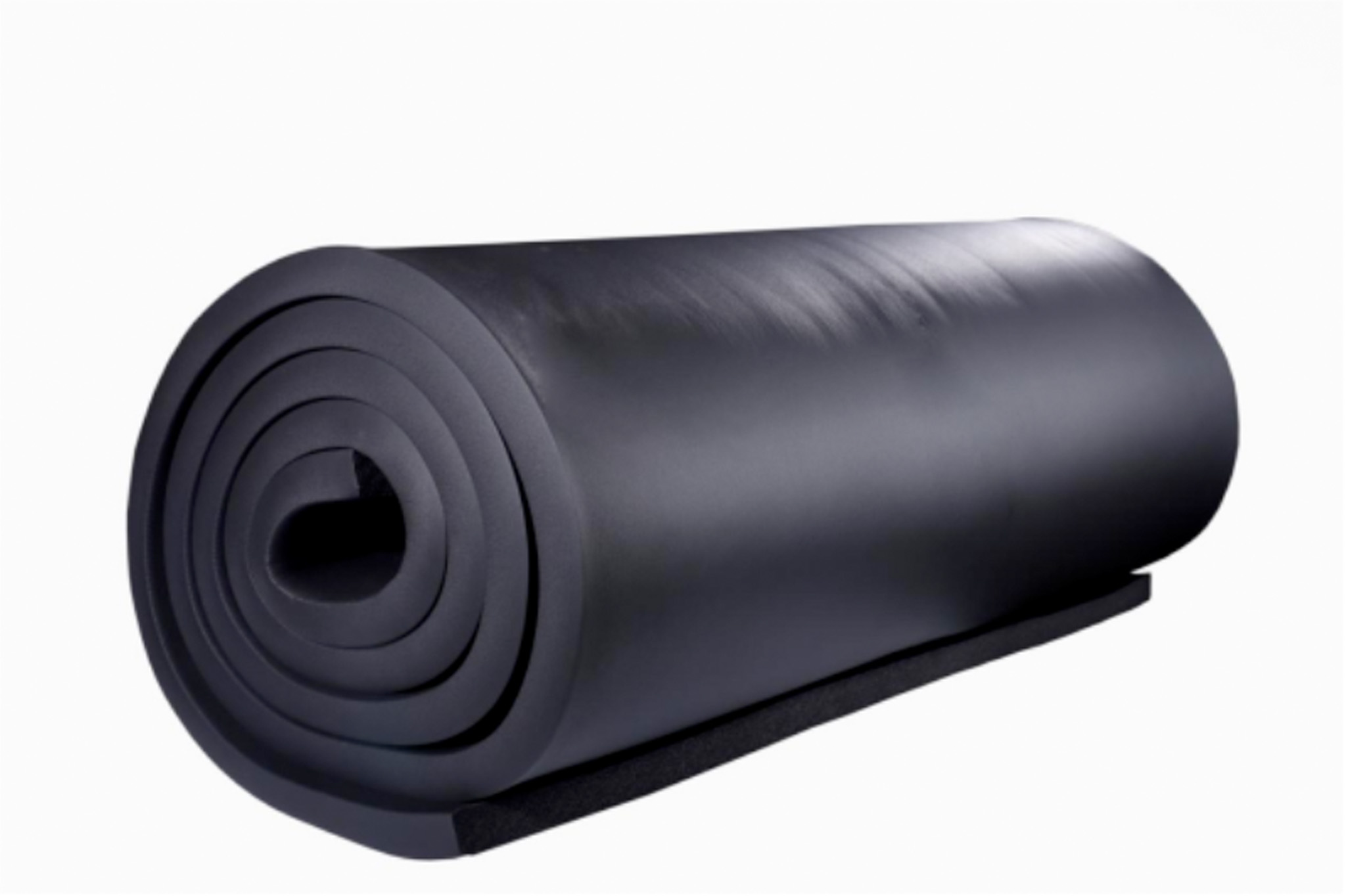
K-FLEX Polska is the Polish subsidiary of the Italian company K-FLEX, a leading manufacturer of thermal and acoustic insulation materials. Located in Konstantynów Łódzki, the plant specializes in the production of flexible elastomeric foam and polyethylene-based insulation products for HVAC systems, construction, and industrial applications. With nearly two decades of operations in Poland, K-FLEX Polska combines manufacturing scale with a strong commitment to circular economy innovation.
K-FLEX Polska developed and implemented a zero-waste manufacturing solution for handling production scrap from elastomeric insulation materials, particularly vulcanized rubber:

  • Scrap Collection and Processing: All foam rubber waste—edge trimmings, defective products, and off-spec batches—is collected directly from production lines. This includes material from both tube and sheet cutting operations.
  • Mechanical Recycling: Since vulcanized rubber cannot be remelted, K-FLEX processes it mechanically by grinding it into crumb rubber or powder. This material is reintegrated into new foam insulation products or used as filler in composite materials.
  • Reintegration into New Products: The recycled rubber is blended into virgin elastomer mixtures in carefully controlled ratios to maintain insulation performance. R&D optimization ensures the recycled content does not compromise flexibility, thermal conductivity, or other technical parameters.
  • Research Partnerships and Devulcanization Potential: As part of the Horizon 2020 FRONTSH1P project, K-FLEX collaborates with academic institutions to explore advanced solutions, including devulcanization and carbon capture integration.

Environmental Perspective

K-FLEX’s reuse solution addresses key environmental challenges of rubber waste:

  • Elimination of Rubber Landfill Waste: Vulcanized rubber is notoriously difficult to recycle and does not biodegrade. K-FLEX’s closed-loop approach diverts virtually 100% of this waste from landfills or incineration.
  • Resource Efficiency: By reusing rubber scraps, the company reduces the demand for virgin natural and synthetic rubber, lowering upstream environmental impacts from petrochemical extraction and processing.
  • Contribution to Regional CO₂ Reduction: Within the FRONTSH1P project, the rubber reuse initiative is projected to help cut regional CO₂ emissions by 2–3% by minimizing waste and material input.
  • Pollution Prevention: Controlled recycling avoids the leaching of additives and emissions typically associated with foam rubber disposal.

Economic Perspective

The economic rationale behind the scrap reuse system is compelling:

  • Material Cost Reduction: Reintroducing recycled rubber into production cuts down on raw material purchases, particularly for high-volume items like foam insulation tubes and boards.
  • Waste Disposal Savings: Avoiding landfill or hazardous waste disposal fees significantly lowers operational expenses.
  • Operational Efficiency and Yield Maximization: A higher material utilization rate means less waste per production batch, increasing factory efficiency and profit margins.
  • New Product Lines: Recycled rubber may also be used to develop secondary products (e.g., vibration damping mats or recycled foam panels), adding value from waste.
  • Brand and Market Differentiation: Demonstrating zero-waste production and circular practices strengthens K-FLEX’s sustainability credentials—important for clients in construction and HVAC sectors seeking eco-friendly solutions.

Practical Insights and Implementation

K-FLEX successfully integrated scrap reuse through a combination of infrastructure, training, and R&D:

  • On-Site Equipment: The company installed grinding and recycling machines to process scrap foam into usable granulate, ready for reintegration into new batches.
  • Employee Training: Workers are trained to handle and sort scraps correctly to avoid contamination, ensuring the recycled content remains high-quality.
  • R&D Collaboration: Through partnerships (e.g., with Politechnika Łódzka), K-FLEX explored devulcanization and CO₂ reuse from foam production, expanding the boundaries of rubber circularity.
  • Quality Assurance: Robust quality control procedures ensure that insulation products with recycled content meet performance specifications and regulatory standards.
  • Date
  • Client
  • Category
  • Share