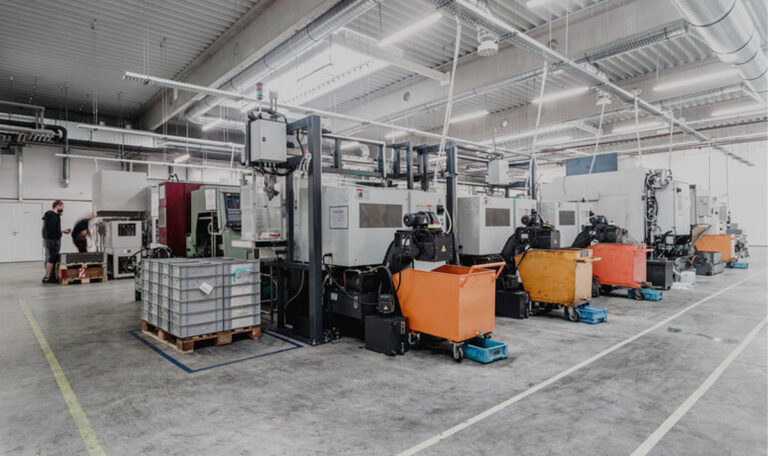
CELSA Group, headquartered in Spain, is one of Europe’s leading producers of long steel products and a pioneer in circular economy practices in the steel industry. The company manufactures its entire steel output using recycled scrap steel, avoiding the extraction of iron ore and drastically reducing greenhouse gas emissions. CELSA’s model is based on full circularity, combining advanced electric arc furnace (EAF) technology with extensive material recovery systems to close the loop in industrial steel protection.
Main description:
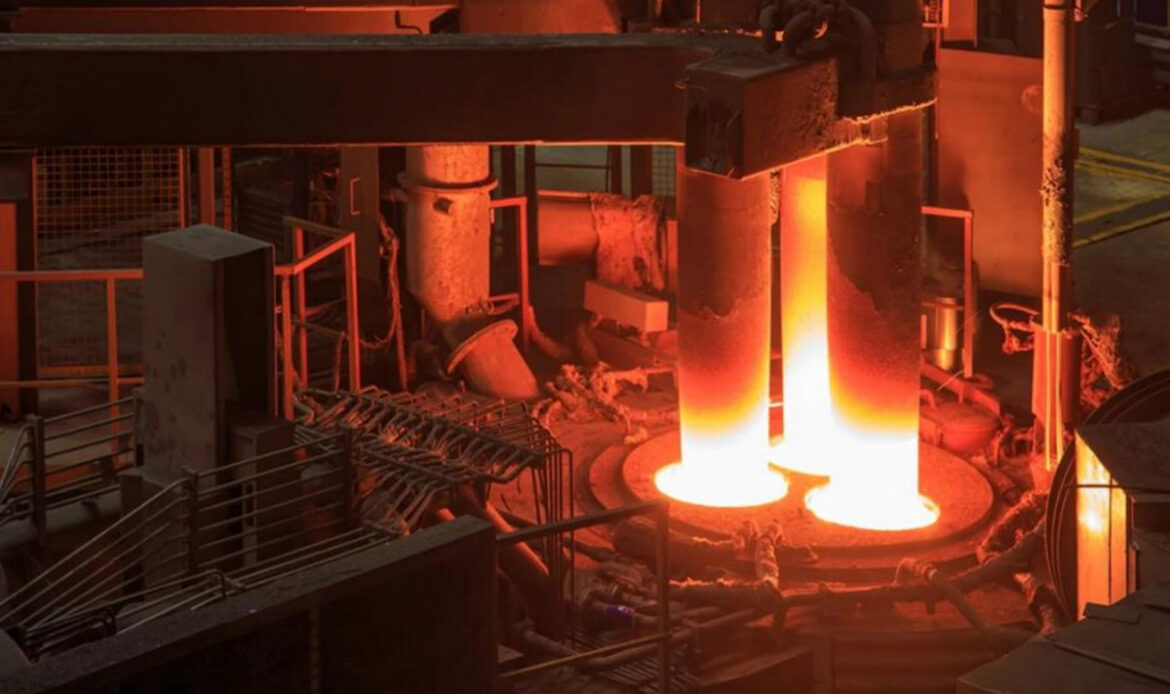
CELSA Group demonstrates one of the most advanced large-scale applications of circular economy principles within the European steel industry. Central to its operations is the exclusive use of 100% recycled steel scrap as the primary raw material for steel production. Instead of relying on traditional methods based on iron ore and coal, CELSA produces steel in electric arc furnaces (EAF), a cleaner and more energy-efficient technology.
Unlike blast furnaces, which require intensive mining, high-temperature processing, and generate large quantities of CO2, electric arc furnaces operate by melting down scrap steel at significantly lower temperatures. This shift allows CELSA to drastically reduce carbon emissions, conserve energy, and avoid the environmental degradation associated with raw material extraction.
Each year, CELSA processes approximately 5.7 million tonnes of steel scrap, collected from a combination of post-industrial and post-consumer sources. In addition, the company manages over 1.4 million tonnes of by-products, including slag, mill scale, and steelmaking dust. These secondary materials are not discarded, but rather recovered, treated, and reused in other industries (e.g., construction, cement production), contributing to a material reuse rate exceeding 95%.
To further support its circular and low-carbon strategy, CELSA has integrated renewable energy into its operations. In 2022, several facilities operated using over 185,555 MWh of renewable electricity, which enabled a 21% reduction in non-renewable energy consumption and enhances the overall sustainability of the production process.
Resources needed:
Stable and high-volume supply of scrap steel from post-industrial and post-consumer sources, advanced electric arc furnace technology, material recovery systems for by-products (slag, dust, etc.), partnership with recycling companies and waste management systems, strong regulatory alignment and carbon reporting systems
Environmental benefits:
10 million tonnes of CO2 emissions avoided in 2022 – equivalent to emissions from 2.2 million cars annually
5.7 million tonnes of steel scrap recycled per year
40% reduction in water usage compared to traditional steelmaking
Over 95.1% of production waste is reused or recycled
Electric arc furnace technology emits up to 9x less CO2
Economic benefits:
Stable and high-volume supply of scrap steel from post-industrial and post-consumer sources, advanced electric arc furnace technology, and material recovery systems for by-products (slag, dust, etc.)