Integration of 3D printing for prototyping and low-volume production of fan components
Summary:
Using 3D printing for replacing CNC for fast, low-cost, and sustainable part manufacturing.
Main description:
Vibroson Łódź Sp. z o.o. is an SME based in Łódź, Poland. The company has been operating since 1990, specializing in the design and manufacturing of industrial fans, blowers, and ventilation systems used in energy, processing, and HVAC sectors.
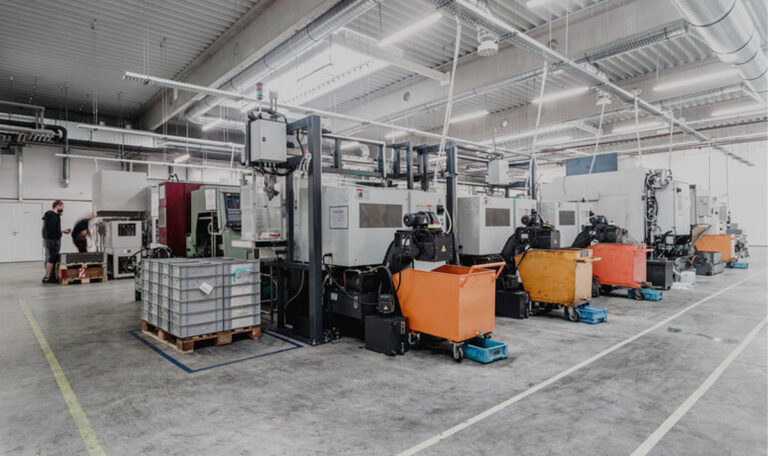
Traditionally, Vibroson relied on conventional subtractive manufacturing techniques such as CNC machining and casting to produce functional components for its devices. These processes, while robust, often required high tooling costs and long lead times—especially when producing prototypes or custom parts in small batches.
As the company increasingly took on bespoke projects requiring rapid design iterations, it became clear that the existing prototyping and production processes were slowing down product development. The identification of this bottleneck came through an internal review of production timelines, where delays of up to four weeks for a single prototype part were found to be a recurring issue.
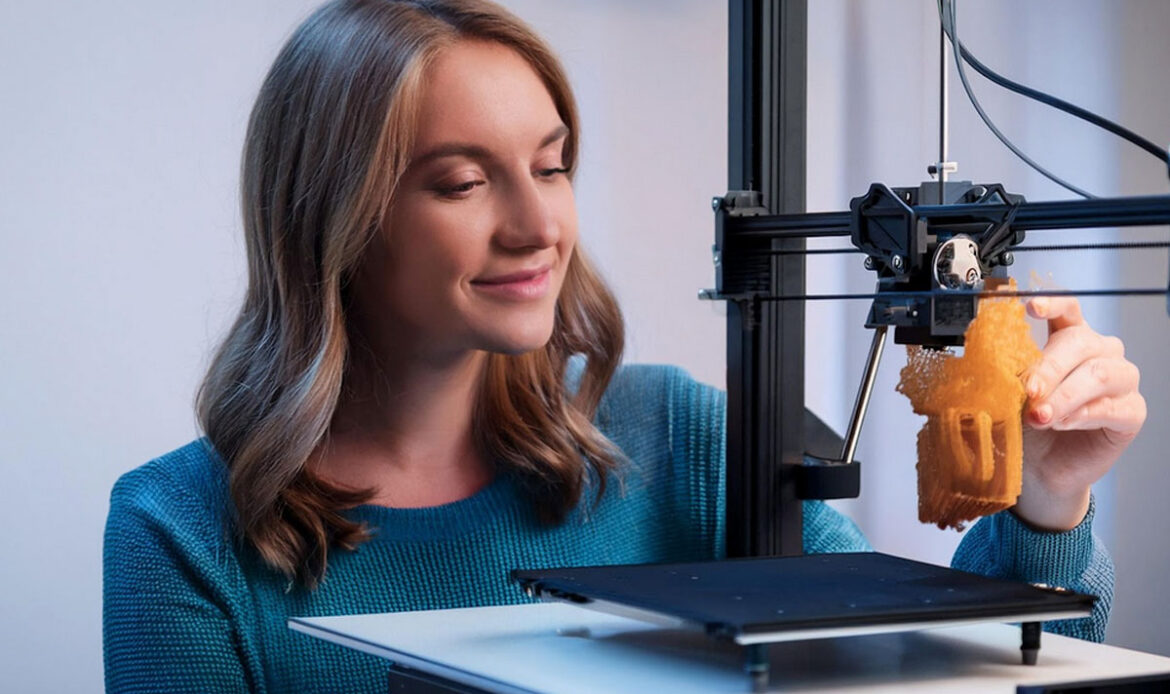
To address this challenge, Vibroson partnered with CadXpert, a distributor of professional 3D printing solutions in Poland. Together, they introduced industrial 3D printing into the manufacturing workflow, using Fused Deposition Modeling technology for producing functional prototypes and short production runs of fan components such as rotors and impellers.
This solution has dramatically reduced lead times and material waste, allowing the company to be more agile and responsive to customer needs while improving resource efficiency. It also enabled Vibroson to minimize overproduction and unnecessary inventory buildup—aligning their operations more closely with circular economy principles.
Resources needed:
Industrial-grade 3D printer: Vibroson invested in a professional FDM 3D printer capable of producing durable, precise components. The selection was based on compatibility with engineering-grade materials such as ABS, ASA, or Nylon.
3D modeling software: The company needed CAD (Computer-Aided Design) tools for designing and preparing parts for printing.
Material supply: Reliable sourcing of high-quality filament materials suited for functional mechanical parts, including polymers resistant to temperature and mechanical stress.
Post-processing tools: Basic equipment such as smoothing stations, cutting tools, and measurement instruments for quality assurance of printed parts.
Initial capital investment: The cost of acquiring the 3D printer and necessary accessories starts from approximately 5,000 EUR and depends on the model and features.
Operational budget: Ongoing costs included materials (filament), maintenance, software subscriptions, and electricity consumption.
Training and consultation: Budget allocated for external support, including training and initial consultation on how to optimize parts for additive manufacturing.
Training for staff: Engineers and technical staff require training in CAD modeling, printer operation, and post-processing techniques to ensure effective use of the new technology.
Redesign workflows: Internal workflows need to adjusted to integrate additive manufacturing into product development and prototyping cycles, requiring coordination between design and production teams.
Environmental benefits:
Reduction of material waste: 3D printing uses only the required material, minimizing waste compared to traditional machining methods.
Lower carbon footprint: In-house production reduces transportation needs and associated emissions.
Energy savings: 3D printing is less energy-intensive than casting or CNC milling, particularly for small batches.
Avoidance of overproduction: Just-in-time production prevents excess inventory and waste.
Sustainable design: 3D printing enables the creation of lighter, more efficient parts that reduce material use and improve product performance.
Economic benefits:
Time savings: The time required to manufacture a component using traditional CNC machining was approximately 28 days. With 3D printing, the company now receives the finished part within just 7 days, saving 75% of production time.
Cost reduction: The cost of manufacturing a component using CNC machining was around 5000 PLN. By switching to 3D printing, the cost dropped to 690 PLN per part, resulting in a savings of nearly 86%.