Reducing solvent emissions and waste through eco-friendly recovery in flexographic plate production
Summary:
PolimerPro cut solvent emissions by 40% and oil waste by 50% with eco-solvent FS90i and an oil-free distillation system.
Main description:
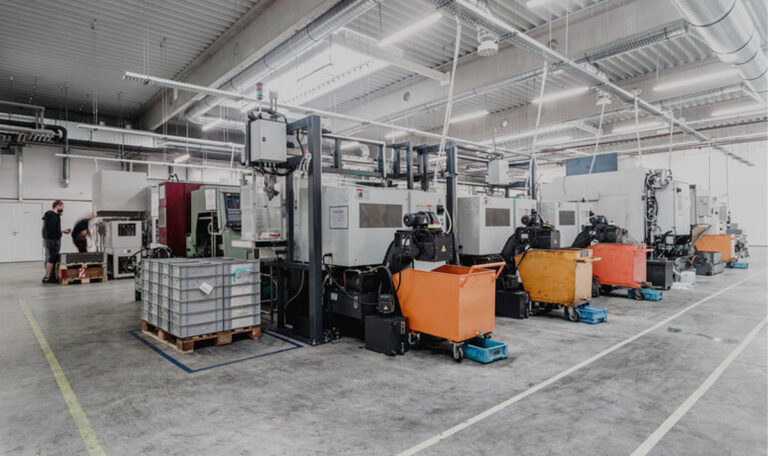
PolimerPro is a small Polish family company that has been operating for over 20 years in the field of flexographic printing form production. The company specializes in manufacturing high-quality photopolymer plates used primarily in the packaging industry. Its current manufacturing process involves the exposure, washing, drying, and finishing of flexographic printing plates.
Over time, the company identified a critical environmental and operational challenge in its use of traditional solvents—specifically, white spirit —during the washing stage of plate processing. The process generated significant quantities of hazardous waste and involved the use of oil in the distillation equipment, resulting in additional waste streams and high operational costs.
To address these issues, the company carried out an internal assessment as part of a broader review of environmental performance and employee safety. The problem identification process included evaluating solvent consumption, waste generation, and equipment efficiency. It revealed opportunities for optimization in both solvent usage and the energy intensity of the process.
PolimerPro found its solution by exploring environmentally-friendly alternatives available in Western European markets and consulting with technology providers. The company ultimately implemented a twofold solution:
Replacement of traditional solvent with FS90i – a modern, environmentally safer solvent that significantly reduces emissions and the environmental footprint of the production process.
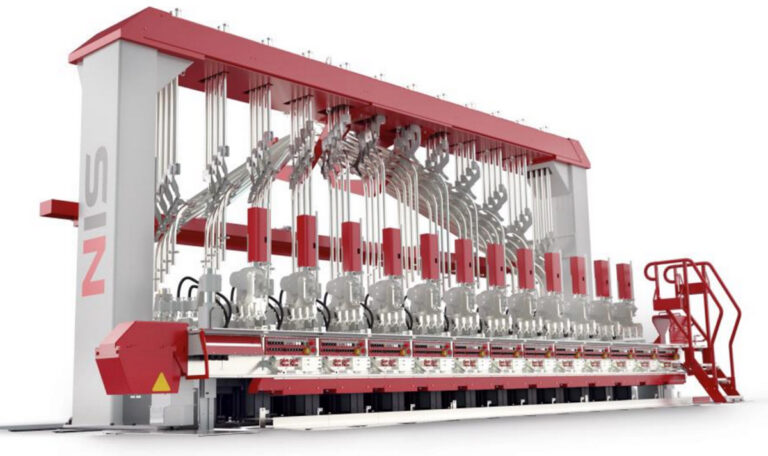
Installation of an oil-free distillation unit – this system enables the recovery and reuse of solvents without the need for oil-based heating, reducing hazardous waste and maintenance requirements.
The combined solution resulted in a 40% reduction in solvent emissions and a 50% reduction in oil waste from the distillation system. This not only improved the company’s environmental performance but also enhanced worker safety, lowered operational costs, and increased process reliability.
Resources needed:
Eco-solvent (FS90i): A modern solvent with a lower environmental impact than traditional options, requiring sourcing and testing to ensure compatibility with existing processes.
Oil-free distillation unit: Investment in specialized equipment for solvent recovery, designed to operate without oil, reducing waste and energy consumption.
Infrastructure adjustments: Modifications to existing production lines to integrate the new solvent and distillation unit, ensuring seamless workflow integration.
Initial investment: Funding for purchasing the eco-solvent FS90i and the oil-free distillation unit, along with necessary infrastructure adjustments.
Environmental compliance costs: Investments to meet any legal or certification requirements for emissions and waste reduction in line with circular economy principles.
Project team: A team responsible for overseeing the project’s implementation, including staff with expertise in production processes, environmental sustainability, and equipment management.
Training: Workers and management need training on how to use the new eco-solvent and distillation equipment, as well as on the new processes for solvent recovery and reuse.
Environmental benefits:
Reduction in solvent emissions: The company has reduced solvent emissions by 40% compared to traditional solutions, minimizing harmful air pollutants and contributing to cleaner air quality.
Decreased hazardous waste: The new oil-free distillation system reduces the consumption of hazardous waste materials. Previously, the company produced 1 ton of used oil annually; with the new system, oil waste has been cut by 50%.
Lower CO2 emissions: Reduction of CO2 emissions by 38.25 tons annually.
Economic benefits:
Cost savings on solvents: By switching to the eco-solvent FS90i, PolimerPro has reduced solvent emissions by 40%. This reduction lowers the company’s need for frequent solvent purchases, leading to direct cost savings.
Reduction in waste management costs: With a 50% reduction in oil waste production, the company cuts costs related to waste disposal, treatment, and compliance with hazardous waste regulations, resulting in significant long-term savings.