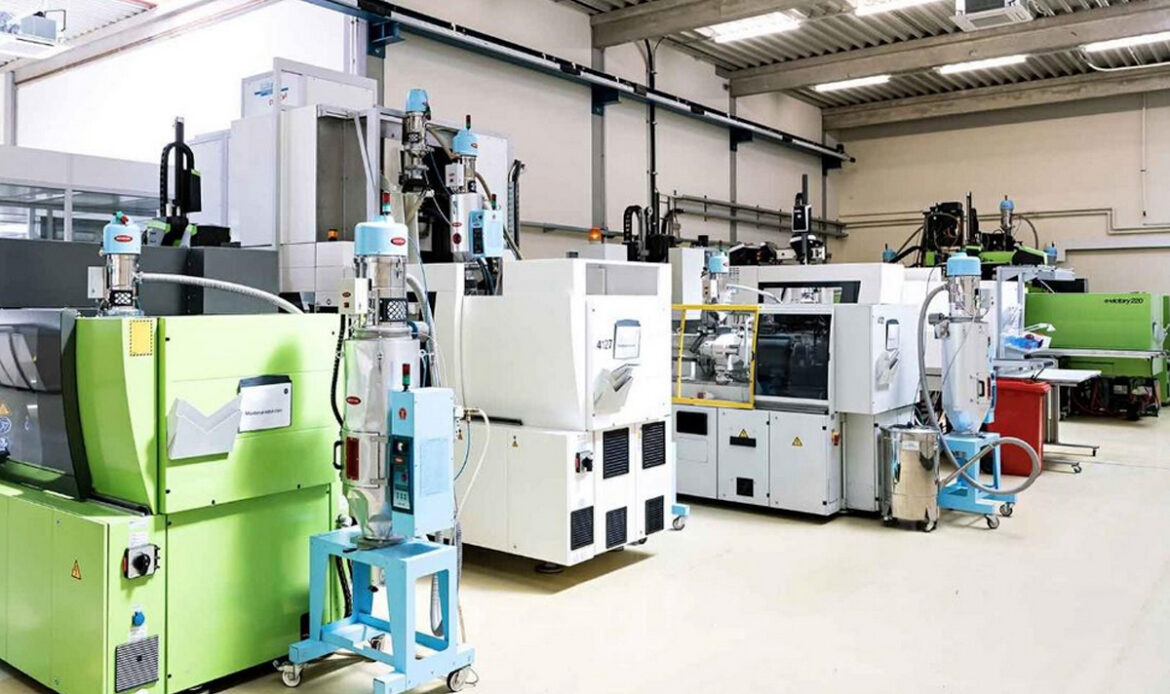
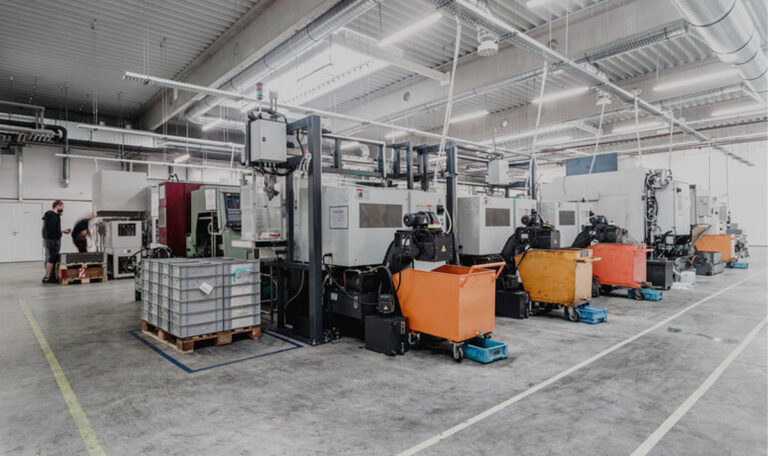
PAYER International Technologies GmbH, founded in 1946, is a global manufacturer with approximately 1,100 employees. The company operates production sites in Austria, Hungary, China, and Malaysia, with the Austrian headquarters serving as the most sustainable facility. With over 75 years of experience, PAYER specializes in plastic injection molding, metal processing, tool making, industrial assembly, and packaging.
PAYER integrates advanced plastic injection molding technologies with precision metal processing to manufacture high-quality consumer goods and medical devices. The company continuously optimizes its processes to enhance efficiency, reduce material waste, and improve energy consumption. At the Austrian headquarters, operations run on 100% certified green electricity, while other locations are actively exploring alternative energy sources such as photovoltaics.
A major challenge for PAYER is the integration of recycled plastics in medical device manufacturing. Stringent regulatory and quality certification requirements make it difficult to incorporate recycled materials while maintaining product safety and reliability. PAYER employs a data-driven approach to identify sustainability challenges, analysing material impacts and working closely with suppliers and regulatory bodies to explore viable alternatives.
To address sustainability issues, PAYER conducted a Life Cycle Analysis (LCA) on a men’s shaver, revealing that the battery was the primary source of carbon emissions. Based on these findings, the company-initiated research to extend battery life, improve recyclability, and minimize environmental impact. Additionally, PAYER is investigating sustainable battery alternatives and enhanced material efficiency to further reduce its environmental footprint.
While 50% of PAYER’s waste—including metal, paper, and electronics—is already being reused, the company is considering investments in in-house waste processing to reduce reliance on external waste management services. This could lead to lower material costs and greater operational efficiency.
- Sustainable Packaging
- Green Electricity
- Product Optimization
- Customer-Driven Sustainability
- Scope 3 Emissions Calculation