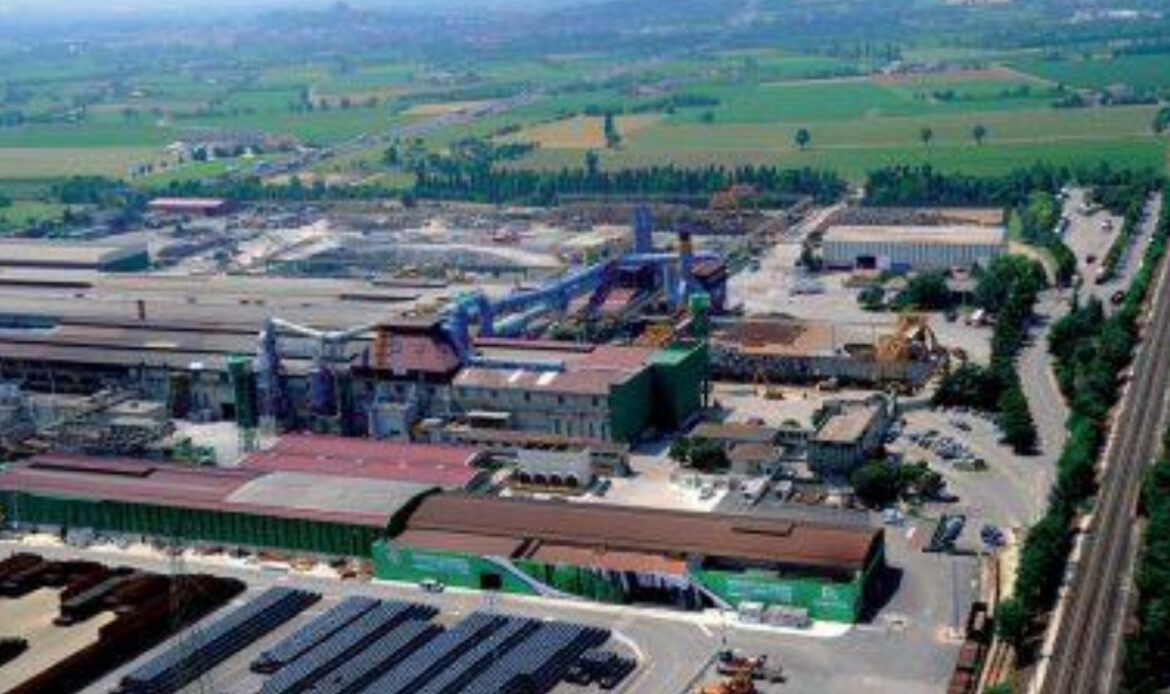
Finalpi Siderurgica S.p.A. is an Italian company in the steel sector, based in Lonato del Garda, in the province of Brescia, Lombardy Region. Specialized in the production of steel for construction, it offers products such as steel bars and coils for reinforced concrete, wires and electrowelded mesh, as well as other steel derivatives.
Feralpi has contributed to OnlyPlastic europen project whose primary goal is to substitute traditional fossil carbon sources, such as coal and anthracite, used in Electric Arc Furnaces (EAF) with Steel Reducing Agents (SRA) derived from plastic waste. This approach not only addresses the issue of plastic waste management but also aims to reduce carbon emissions associated with steel production.
Main description:
Feralpi Siderurgica has been actively involved in testing and implementing the injection of SRA into the EAF process. Feralpi has developed and tested specialized injection systems designed to optimize the introduction of plastic-derived polymers into the furnace. Laboratory studies and industrial tests have demonstrated that this method does not produce undesirable emissions compared to conventional production processes.
Resources needed:
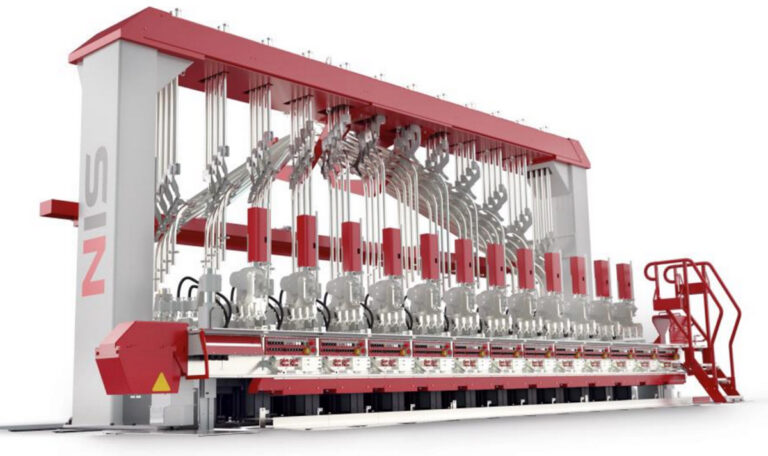
Feralpi collaborated with Tenova* who developed and installed an innovative injection system designed specifically to introduce recycled polymers into the Electric Arc Furnace (EAF) process.
Selected I.BLU as supplier of polymers that come from the recycling of post-consumer plastic packaging and were used to replace traditional carbon sources in the steel melting process;
Infrastructure modification was needed. New storage systems and injection devices to effectively manage and introduce polymers into the production process.
Environmental benefits:
Reduction in CO₂Emissions: Utilizing hydrogen-rich plastic materials contributes to the reduction of iron oxides, leading to lower carbon dioxide emissions.
Energy Efficiency: The process has shown a reduction in specific electrical consumption by approximately 3%
Economic benefits:
Cost Savings: SRAs are more cost-effective than traditional fossil carbon sources, leading to a decrease in overall production costs