PLASTIKA a.s. – Sustainable Plastic Parts Manufacturing
Summary:
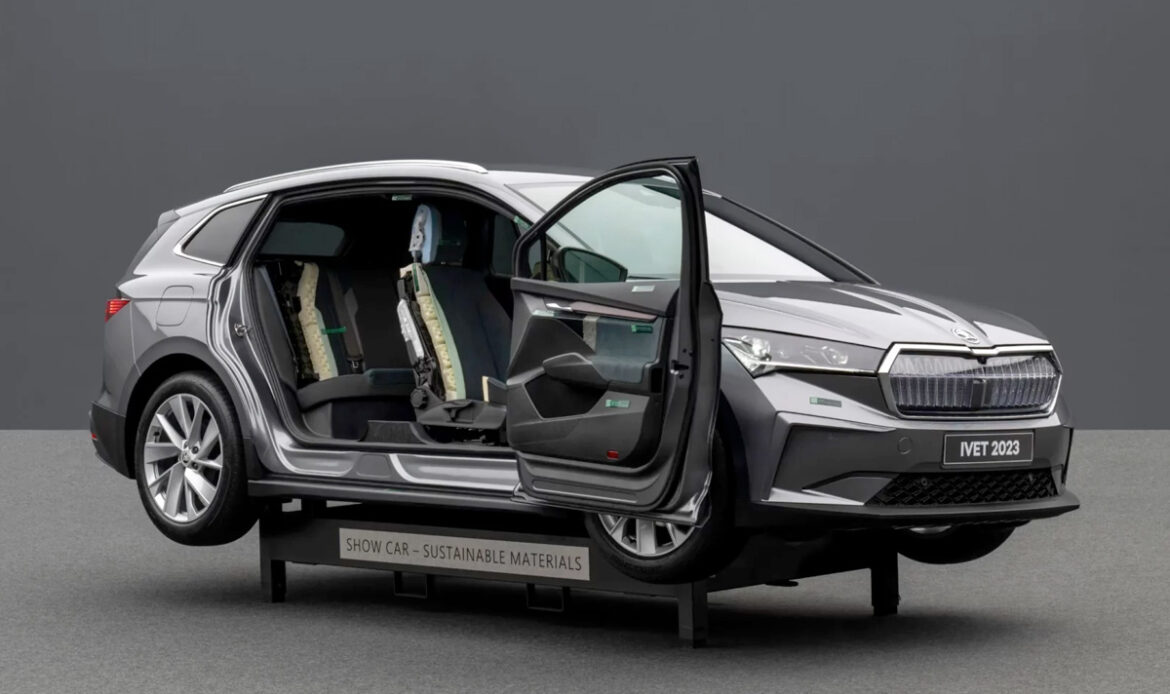
Škoda Auto introduced the IVET Show Car concept, demonstrating the potential of using recycled and recyclable materials in automotive manufacturing. A key feature is the recycling of old plastic bumpers into new ones, reducing waste and the carbon footprint associated with producing new parts.
Main description:
Škoda Auto, founded in 1895, is one of the world’s oldest and most significant car manufacturers, now part of the Volkswagen Group. It produces over a million vehicles annually and employs tens of thousands of people. As part of its sustainability strategy, Škoda developed the IVET Show Car concept, based on the Škoda Enyaq model.
The project focused on integrating recycled and recyclable materials into car production. A key challenge was recycling painted plastic parts, especially bumpers, which often ended up in landfills. Škoda partnered with suppliers and recycling companies to create a closed-loop recycling process — collecting old bumpers, shredding them, and converting the material into granulate for new bumper production.
Other recycled materials used include door panels made from recycled polypropylene, dashboard parts from PET bottles, and seat fillings from old mattresses. As a result, the IVET Show Car contains more than double the amount of recycled plastics compared to the standard Enyaq, with plans to gradually implement these solutions in regular production.
Resources needed:
Collection and logistics for old bumpers, Technology for mechanical shredding and cleaning of plastics, Manufacturing facilities for producing new bumpers from recycled granulate.
Environmental benefits:
Waste Reduction: Recycling old bumpers decreases the amount of plastic waste ending up in landfills or incinerators.
Resource Conservation: Using recycled materials reduces the demand for new raw materials.
Emission Reduction: Employing recycled materials lowers the carbon footprint compared to using new materials.
Economic benefits:
Cost Efficiency: Utilizing readily available recycled materials reduces raw material costs.
Enhanced Production Efficiency: Implementing a closed-loop material cycle streamlines the manufacturing process.
Brand Image Enhancement: Adopting sustainable practices strengthens the brand’s reputation as an environmentally responsible company.