PLASTIKA a.s. – Sustainable Plastic Parts Manufacturing
Summary:
PLASTIKA a.s. is a Czech company that produces plastic parts for the automotive industry and has implemented recycling measures to reduce waste and improve sustainability.
Main description:
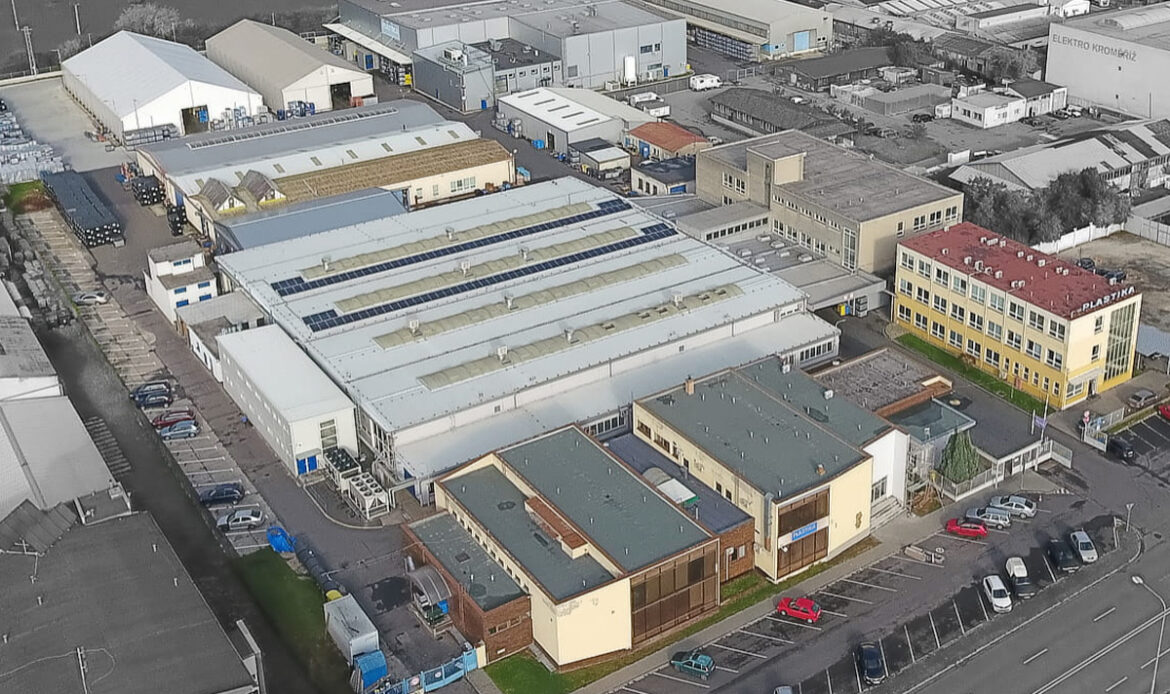
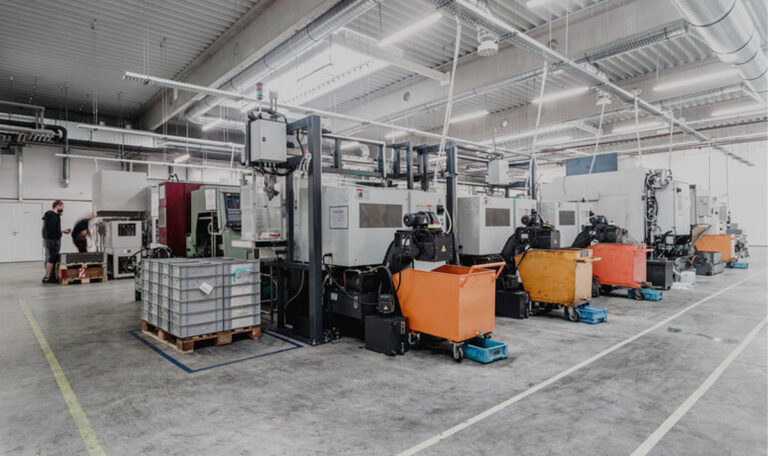
PLASTIKA a.s., a medium-sized company based in Kroměříž, Czech Republic, has been operating since 1956. The company is a leader in producing technical plastic parts, primarily for the automotive industry. With over 65 years of experience, PLASTIKA a.s. manufactures millions of plastic components annually, using advanced injection molding techniques.
However, the company faced a challenge: significant plastic waste from defective parts that failed to meet quality standards. This resulted in higher disposal costs and environmental impact. The problem was identified through regular monitoring of production processes and waste levels.
To address this, PLASTIKA a.s. developed a recycling system that processes scrap plastic into regranulate. The defective parts are shredded, and the regranulate is reused in the production of new components. This solution reduces waste and decreases the need for virgin plastic materials.
The system works by integrating the recycling process into the production workflow. When defective parts are identified, they are sent to a sorting area where they are converted into reusable material, ensuring no compromise to the final product’s quality. This approach not only lowers operational costs but also reduces the environmental footprint by reusing plastic waste efficiently.
PLASTIKA a.s. is committed to sustainability and continuously explores ways to improve its processes, incorporating circular economy principles into its operations.
Resources needed:
Waste collection and sorting system
Plastic shredding and regranulation technology
Manufacturing process adjustments for using regranulate
The system works by integrating the recycling process into the production workflow. When defective parts are identified, they are sent to a sorting area where they are converted into reusable material, ensuring no compromise to the final product’s quality.
Environmental benefits:
Waste reduction: Recycling production waste significantly reduces plastic waste.
Raw material savings: Reusing material reduces the need for new plastic granules.
Lower emissions: Reduced consumption of primary raw materials leads to lower greenhouse gas emissions associated with their production.
Economic benefits:
Cost savings: Recycling production waste reduces disposal costs and the purchase of new raw materials.
Increased efficiency: Optimizing manufacturing processes boosts overall production efficiency.
Improved image: Implementing sustainable practices strengthens the company’s image as a responsible manufacturer.