Optimizing order processing reduces resource consumption
Summary:
Jung GmbH & Co. KG enhanced its production processes by implementing digital tools and optimizing order sequencing. This led to significant reductions in material waste, energy consumption, and CO₂ emissions, resulting in substantial cost savings.
Main description:
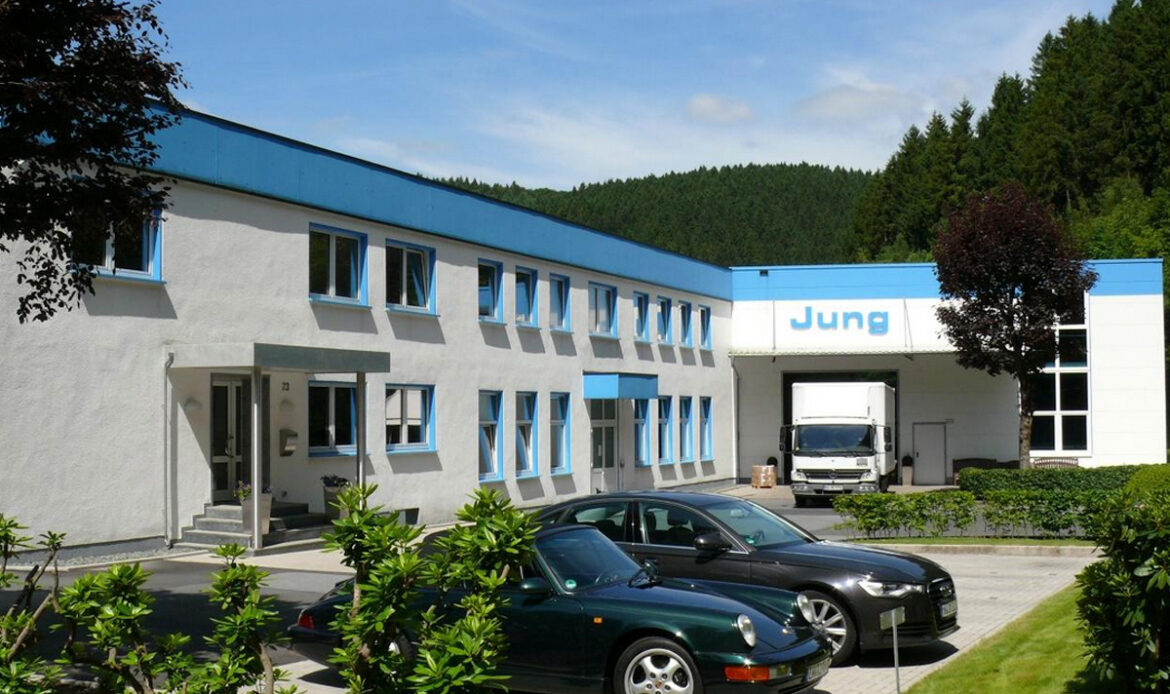
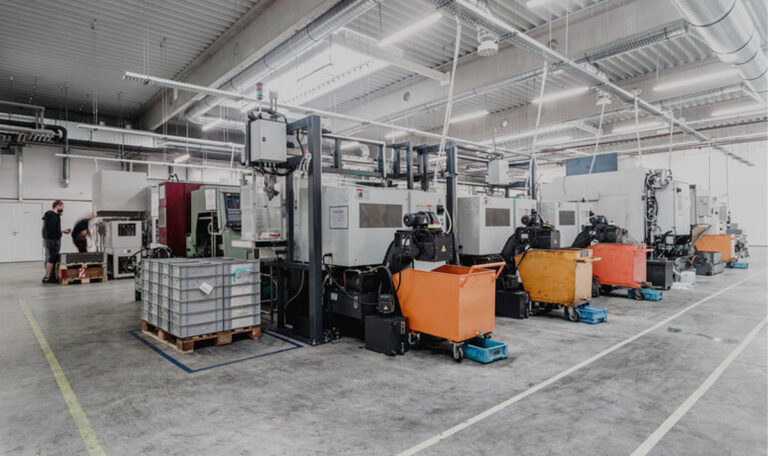
The Jung company processes 365 tons of crude steel annually into precision springs as well as stamped and bent parts. The company uses rolled wire and spring strip steel in various spring-hardened material qualities.
The company identified a recurring challenge in its production workflow: a lack of transparency in order management and sequencing. This inefficiency led to frequent production disruptions, unnecessary machine setup changes, and excessive material waste—particularly during the changeover between orders using different wire specifications. These disruptions not only increased operational costs but also led to higher energy consumption and CO₂ emissions.
In response, Jung GmbH & Co. KG collaborated with the Effizienz-Agentur NRW to conduct a structured process analysis. Using resource efficiency consulting tools, the company examined the root causes of material losses and unproductive process time. One of the main findings was the need to align production sequences based on wire diameter to reduce tool changeovers and setup waste.
The solution involved implementing a digital order tracking and sequencing system. Orders are now categorized and scheduled so that those requiring the same wire diameter are processed consecutively. This minimizes idle times, machine adjustments, and material loss during changeovers. Additionally, a digital feedback loop was established between the production floor and planning systems. Real-time data from machines and order progress is now captured and used to optimize ongoing scheduling decisions.
Resources needed:
Technical: Implementation of digital tracking systems, integration of production data into planning tools, and equipment for precise order sequencing.
Financial: Investment in digital infrastructure and potential training programs for staff.
Organizational/Human: Training employees on new digital systems, fostering a culture of continuous improvement, and cross-departmental collaboration to ensure seamless process integration.
The solution involved implementing a digital order tracking and sequencing system. Orders are now categorized and scheduled so that those requiring the same wire diameter are processed consecutively.
Environmental benefits:
Reduction of material waste by 23.5 tons annually.
Energy savings of 49,200 kWh per year.
Decrease in CO₂ emissions by 120 tons annually.
Economic benefits:
Duplicate material orders are now avoided. Finished order quantities and scrap are now clearly recorded. The material loss rate is regularly reviewed and tracked which lead to annual cost savings of approximately €173,000.