Innovative Design Software Reduces Material Consumption by 60 Percent
Summary:
M+S Silicon implemented CFD software to optimize extrusion tool design, reducing material waste by 60% and enhancing production efficiency
Main description:
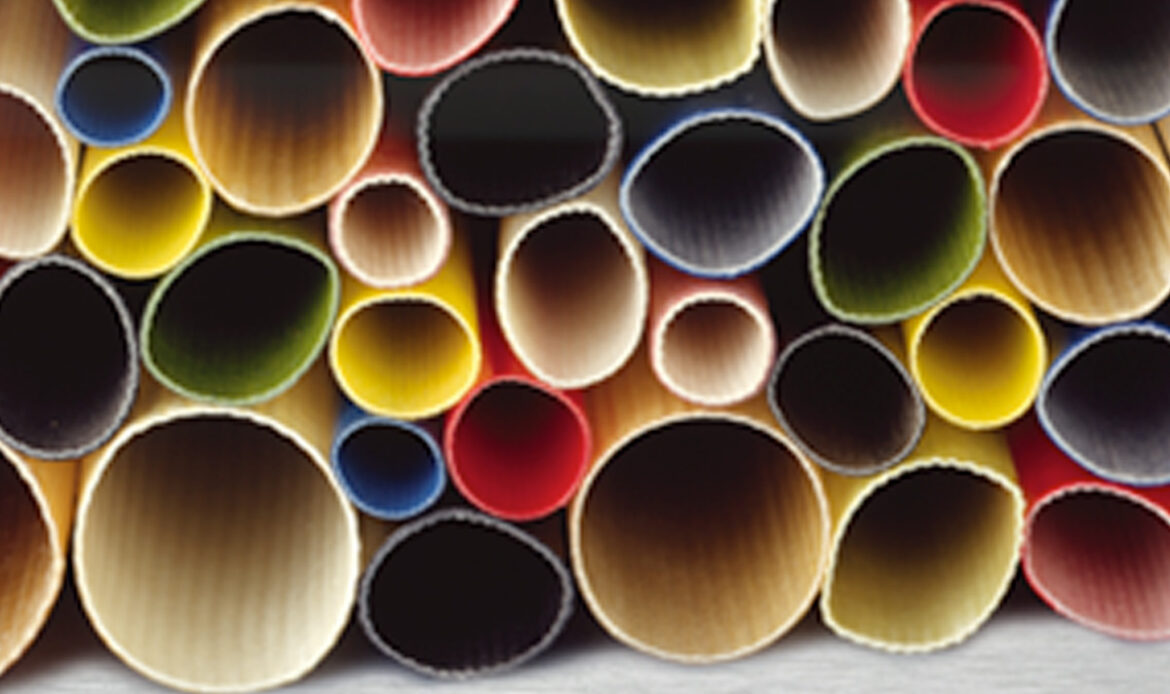
M+S Silicon GmbH & Co. KG, established in 2001 and based in Dortmund, Germany, is a specialized manufacturer of extruded silicone products, corner vulcanizations, and HTV molded parts. With a workforce of 153 employees, the company processes silicone rubber into various profiles tailored to customer specifications, including specific colors and designs.
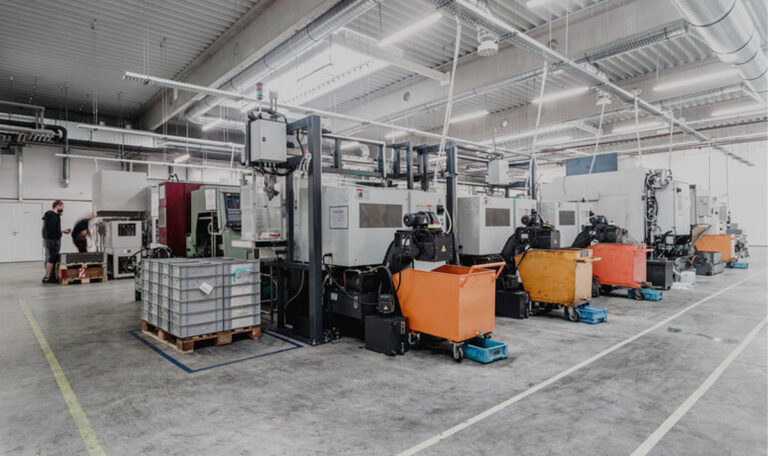
Traditionally, the company relied on the expertise of individual designers to create extrusion tools. This manual approach involved producing trial batches to test tool accuracy, often leading to multiple iterations. Each unsuccessful trial resulted in wasted material and time, as the defective products had to be discarded, and the tools adjusted accordingly. This process was not only time-consuming but also resource-intensive, leading to significant material waste and energy consumption.
In 2020, M+S Silicon sought to enhance its tool design process by adopting Computational Fluid Dynamics (CFD) software. CFD is a method used in fluid mechanics to simulate and analyze fluid flow, allowing engineers to predict how materials behave under various conditions. By integrating CFD into their design process, M+S Silicon could simulate the flow of silicone through the extrusion tools before physical production. This predictive capability enabled the company to identify and rectify potential design issues virtually, reducing the need for physical prototypes.
The implementation of CFD software transformed the company’s approach to tool design. Designers could now create more accurate tools on the first attempt, significantly reducing the number of trial runs required. This shift not only minimized material waste but also shortened production times and decreased energy usage. The enhanced precision in tool design led to a 60% reduction in material consumption during the prototyping phase, showcasing the effectiveness of digital simulation in manufacturing processes.
Resources needed:
Technical: Investment in CFD software and necessary hardware to run simulations; training for design engineers to effectively use the new tools.
Financial: Costs associated with software acquisition, hardware upgrades, and staff training programs.
Organizational/Human: Collaboration between design engineers and IT specialists to integrate CFD tools into existing workflows; ongoing support for staff adapting to new processes.
Environmental benefits:
By automating its tool production, M+S Silicon now saves 20,000 kg of silicone and 30,000 kWh of energy per year. This results in an annual CO2 reduction of 126 t.