MFL – Maschinenfabrik Liezen und Gießerei Ges.m.b.H.
Summary:
MFL optimizes casting processes and materials reuse through local cycles, reducing energy and waste.
Main description:
MFL – Maschinenfabrik Liezen und Gießerei Ges.m.b.H. is a contract manufacturer for complex cast parts and components based in Austria. The company operates with about 70 different steel grades and specializes in producing high-quality components, especially for rail and waste incineration sectors.
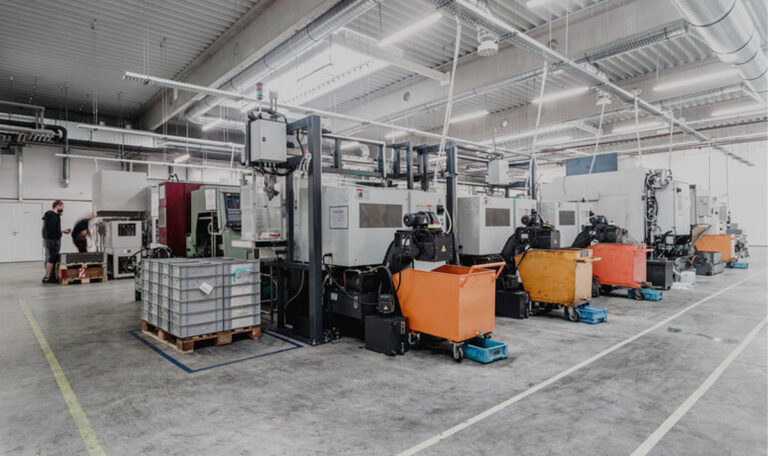
Founded decades ago, MFL currently employs advanced foundry technologies, mechanical processing, and various testing methods. Their operations are energy-intensive, especially due to the melting of steel scrap using electricity in electric arc furnaces. However, these are preferred over induction furnaces due to better metallurgical control and sustainability.
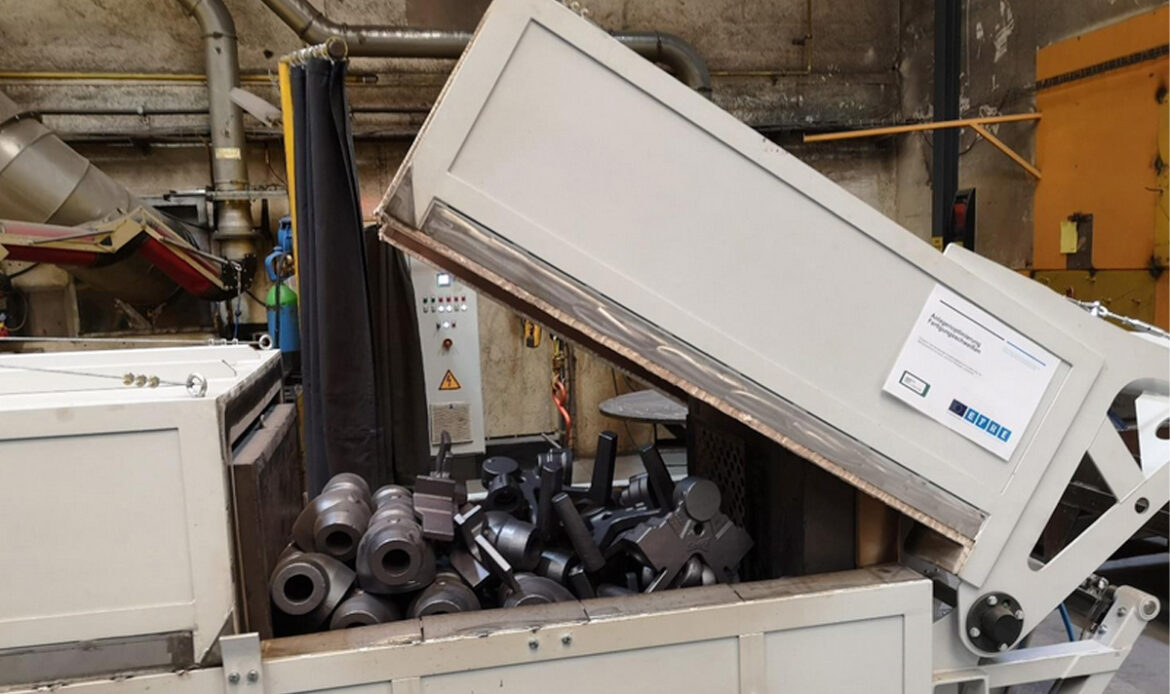
MFL identified inefficiencies in part reuse and sand handling. Working closely with clients they developed a take-back system: Customers collect used parts in dedicated boxes, which MFL retrieves to remelt or refurbish. Currently, 20–30% of parts are recycled this way.
They also reclaim 85% of used sand by heating it to 600°C, a resource-intensive but effective process. Waste heat recovery systems are in place due to high exhaust temperatures (~900°C), and an energy management system introduced in 2013 has already cut energy consumption by 31.03% by 2023. Their goal is 32.5%.
The company handles slag and refractory waste via specialized cycles, collaborating with partners to turn slag into concrete, despite its complex chromium/nickel content.
Resources needed:
Technical Resources:
Electric arc furnaces
sand reclamation facilities
waste sorting systems
R&D infrastructure
Financial Resources:
Investments in recycling systems
energy optimization (e.g. natural gas-oxygen burners)
waste heat recovery systems
Organizational/Human Resources:
Sustainability-focused management.
cooperation with clients and recycling partners.
CSRD-compliant reporting teams.
Environmental benefits:
85% reclaimed sand reduces new material demand.
commercial waste reduction.
Reuse of metal scrap from internal/external sources.
Significant reduction in energy use
Economic benefits:
Lower material costs through internal scrap reuse.
Better market position due to carbon-efficient products.
Less dependence on long-distance sand deliveries.
Avoided costs from landfill due to optimized waste separation and reuse.