Plama-pur repurposes polyurethane foam waste by recycling it into new products through grinding and adhesive bonding.
Main description:
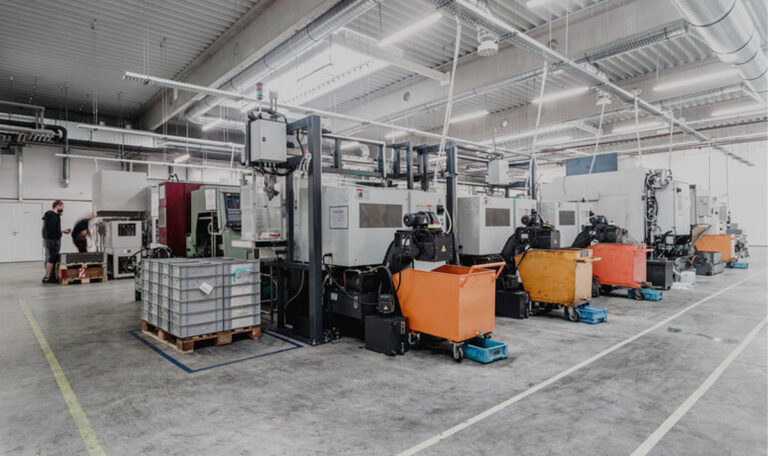
Plama-pur d.o.o. is a Slovenian SME with over sixty years of experience in manufacturing and processing soft polyurethane foam. Operating on both European and global markets, the company supplies a wide range of sectors including automotive, furniture, footwear, packaging, textiles, construction, and consumer goods.
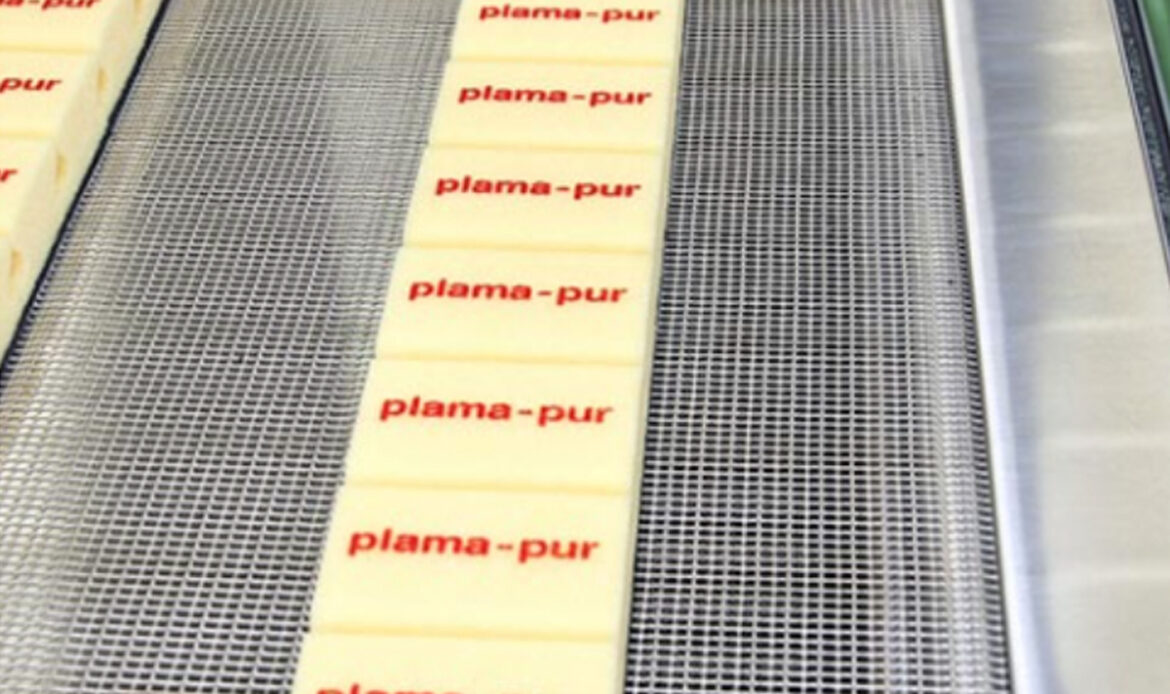
Foam manufacturing generates a significant amount of production waste—scraps, PUR dust, and laminated foam remnants. The company tackles this by recycling waste foam through a process of grinding and adhesive bonding to create new foam-based products. This approach extends the utility of production residues, although recycling becomes complex when foam is laminated with other materials. Reuse and repair are limited due to foam degradation over time.
Plama-pur is also exploring innovative chemical recycling methods to break foam down into basic raw materials, although these technologies are not yet economically viable. In 2024, they developed a digital waste monitoring system to track waste generation more precisely, improving resource efficiency.
It is a long established fact that a reader will be distracted by the readable content of a page when looking at its layout. The point of using Lorem Ipsum is that it has a more-or-less normal distribution letraset sheets of letters, as opposed to using ‘Content here, content here’, point of using Lorem Ipsum is that it has a more-or-less making it look like readable content of a page when layout English.
Resources needed:
Technical: Grinding and adhesive bonding equipment, digital waste monitoring system
Financial: Investment in recycling and digitalization technologies
Organizational/Human: Skilled personnel in waste management, environmental technology, and digital process implementation
The company tackles this by recycling waste foam through a process of grinding and adhesive bonding to create new foam-based products.
Environmental benefits:
Reduced landfill waste from polyurethane foam
Enhanced resource efficiency through internal recycling
Partial diversion of paper waste contaminated with foam from general waste
Economic benefits:
Cost savings through internal reuse of foam waste, reduced waste management and disposal costs and long-term potential for improved ROI through digital monitoring and process optimization