Solaris optimized component deliveries to match production needs, reducing metal, plastic, and chemical waste through Just-in-Time purchasing.



Solaris optimized component deliveries to match production needs, reducing metal, plastic, and chemical waste through Just-in-Time purchasing.
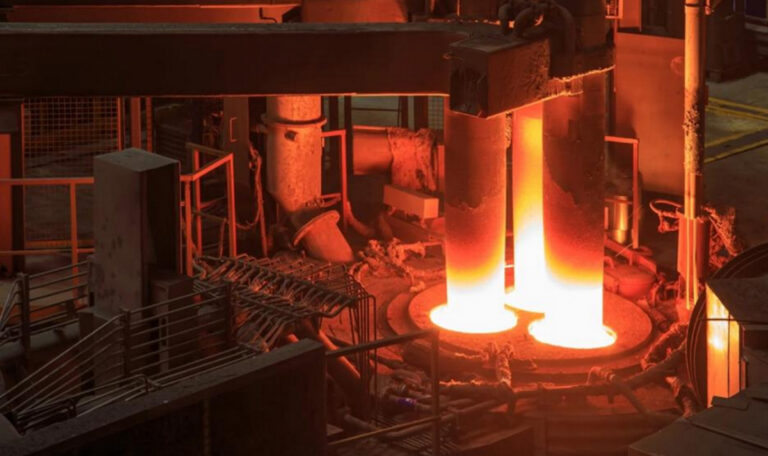
CELSA Group, headquartered in Spain, is one of Europe’s leading producers of long steel products
and a pioneer in circular economy practices in the steel industry. The company manufactures its
entire steel output using recycled scrap steel, avoiding the extraction of iron ore and drastically
reducing greenhouse gas emissions. CELSA’s model is based on full circularity, combining
advanced electric arc furnace (EAF) technology with extensive material recovery systems to close
the loop in industrial steel protection.
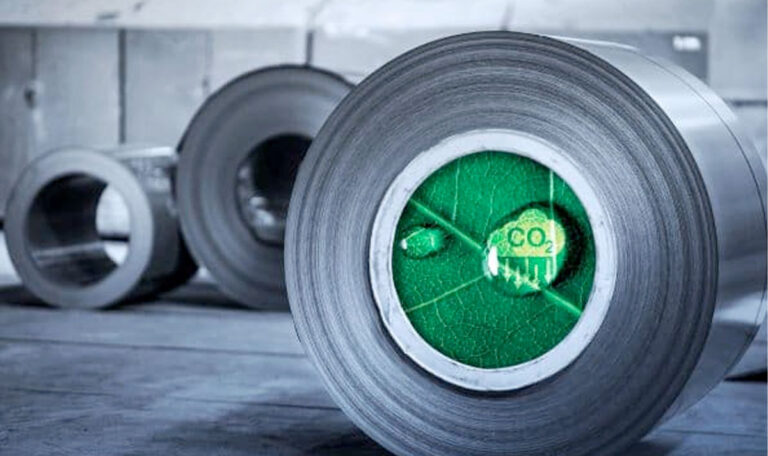
SIJ Metal Ravne reduces material waste and emissions through recycled steel use, energy-efficient remelting and modernized metallurgy.
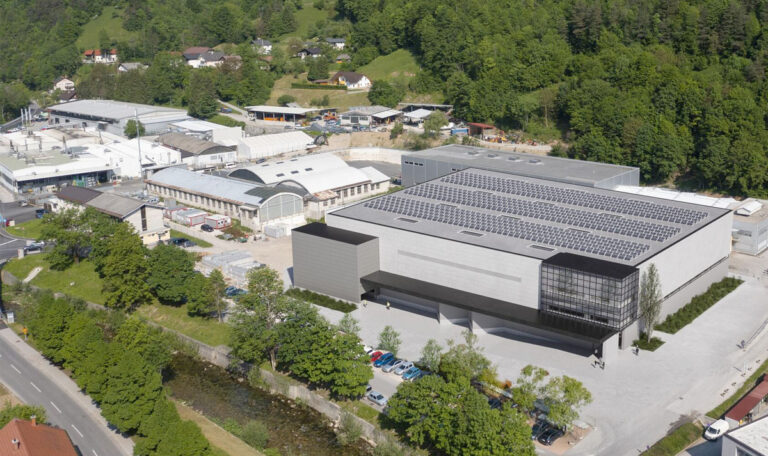
Hidria reduces waste and water use through reuse, recycling and energy-efficient tech in automotive and industrial manufacturing.
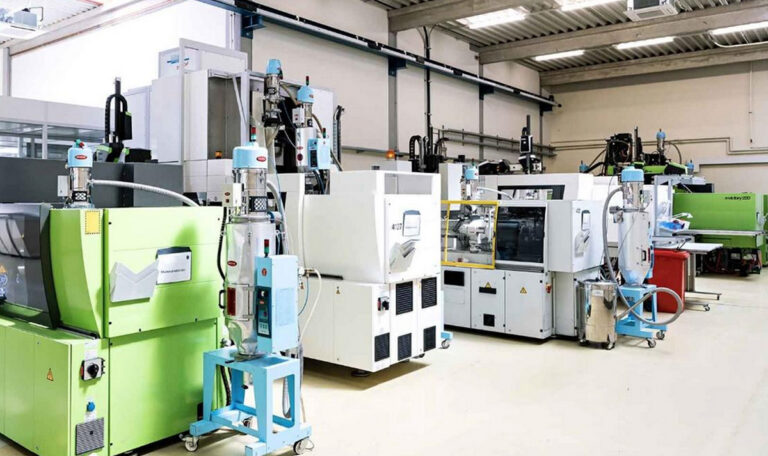
Lifecycle analysis, green energy, reuse, and sustainable design drive efforts to cut emissions, waste, and impact across production and packaging.
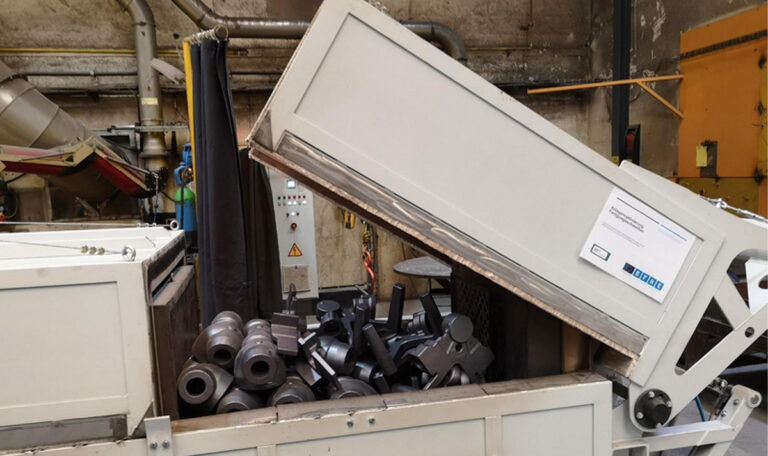
MFL optimizes casting processes and materials reuse through local cycles, reducing energy and waste.
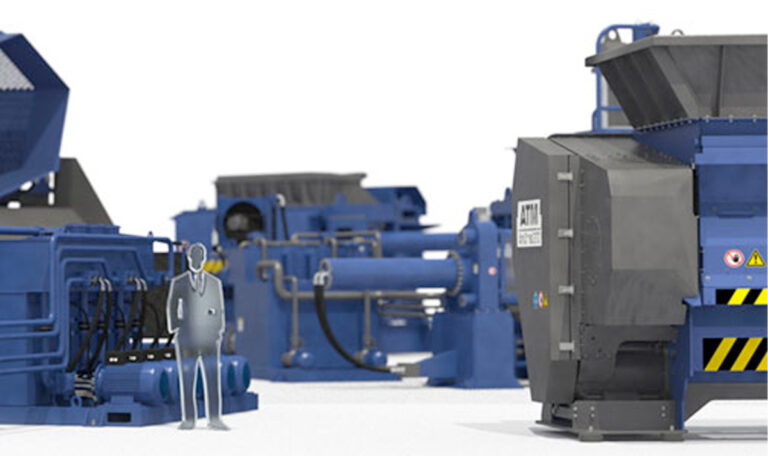
ATM Recyclingsystems GmbH, based in Fohnsdorf, develops and manufactures innovative recycling systems for processing metal-containing residues. With a broad range of technologies, from briquetting and baling to cutting, breaking and shredding, as well as screening and sorting, the company supports customers worldwide in efficiently recovering valuable materials, reducing waste volumes, and closing material loops.
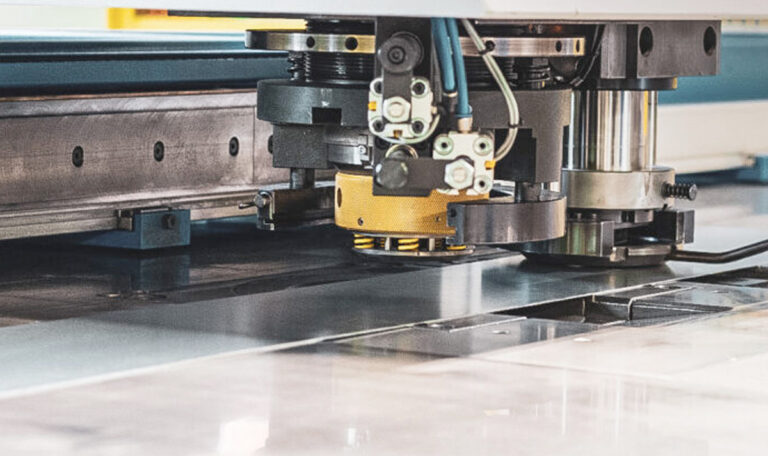
ZaBaG optimized sheet metal usage and digitized order processing, reducing material waste and enhancing production efficiency
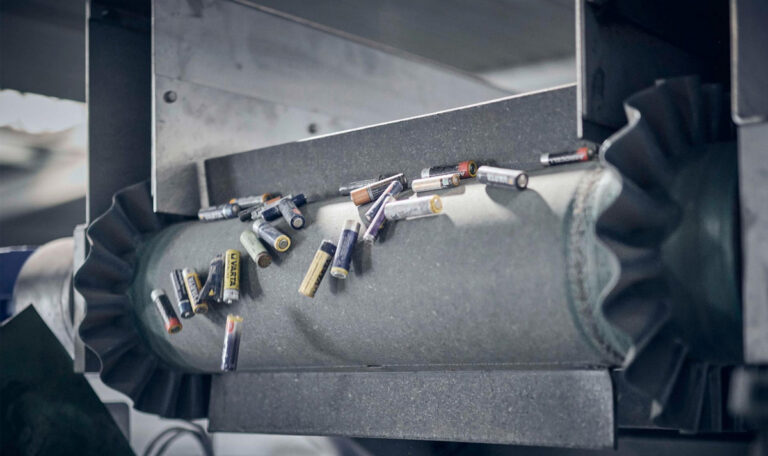
Relux is a German SME specializing in battery recycling, using advanced tech to recover metals like iron, copper, and zinc from shredded batteries.
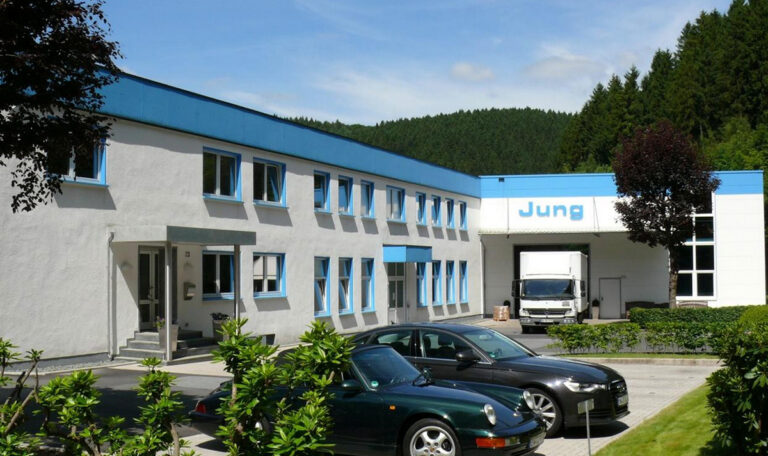
Jung GmbH & Co. KG enhanced its production processes by implementing digital tools and optimizing order sequencing. This led to significant reductions in material waste, energy consumption, and CO₂ emissions, resulting in substantial cost savings.