Digitalization and Format Adjustment Reduce Material Consumption
Summary:
ZaBaG optimized sheet metal usage and digitized order processing, reducing material waste and enhancing production efficiency
Main description:
ZaBaG Zargen- und Elementebau GmbH, founded in 1977 and located in Warstein-Belecke, Germany, is a medium-sized enterprise with 47 employees. The company specializes in manufacturing steel and stainless steel frames, offering both standard and custom solutions that meet stringent requirements for sound, smoke, fire, and burglary protection.
The company identified inefficiencies in its production processes, particularly in the formatting and bending of sheet metal, leading to material waste. Additionally, manual order entry processes resulted in data transfer errors, and the absence of real-time order status tracking hindered effective production monitoring. These issues, compounded by frequent customer change requests, negatively impacted productivity and material efficiency.
To address these challenges, ZaBaG collaborated with the Effizienz-Agentur NRW and utilized the PIUS-Check to analyze resource consumption across individual processes. The analysis revealed significant potential for improving material, process, and energy efficiency.
Key measures implemented included:
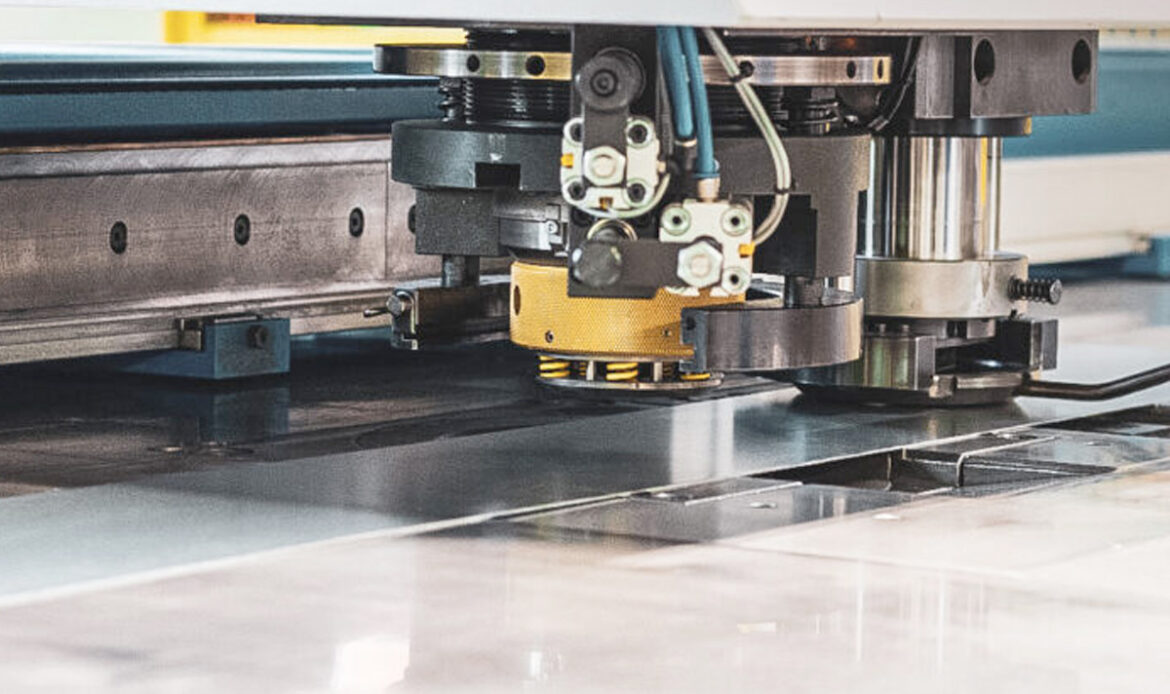
Format Optimization: By analyzing product frequencies, ZaBaG adjusted and reduced standard sheet metal formats, significantly decreasing specific sheet metal waste.
Digitalization of Order Processing: The company transitioned to an ERP-supported order processing system, enabling single data entry and intelligent configuration of frames directly into production documents. This eliminated transfer errors and allowed for real-time monitoring of order and schedule changes, enhancing responsiveness and efficiency.
These initiatives led to substantial improvements in resource utilization and operational efficiency.
Resources needed:
Technical: Implementation of a modern ERP system, development of intelligent frame configuration tools, and analysis tools for product frequency and sheet metal format optimization.
Financial: ZaBaG invested in software, hardware, and the implementation of the solution. The resource efficiency consulting was partially funded as part of the “Resource Efficiency” consulting program of the North Rhine-Westphalia Ministry of the Environment.
Environmental benefits:
Reduction of steel consumption by approximately 130 tons per year. Energy savings of about 72,000 kWh annually. Decrease in CO₂ emissions by approximately 319 tons per year
Economic benefits:
Annual cost savings of around €129,000 due to reduced material waste and improved process efficiency.