Matro Ltd. In Hungary decreased the amount of machining emulsions and solutions free of halogens (EWC Code 12 01 09* ) by testing different emulsions, selecting appropriate products and recycling the emulsion by removing metal chips.
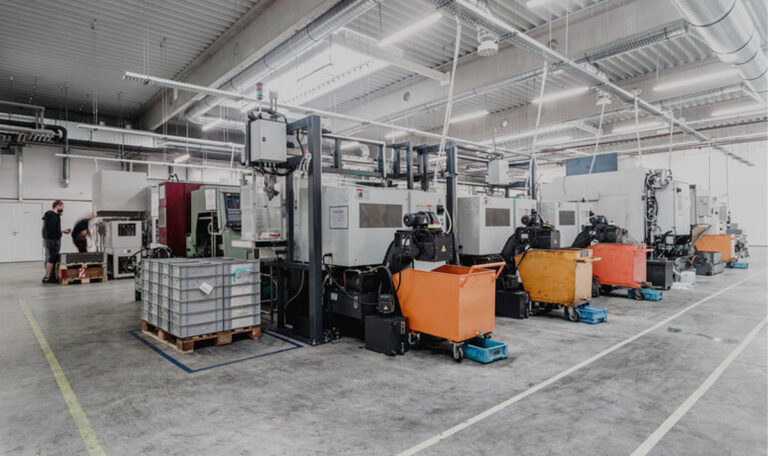


Matro Ltd. In Hungary decreased the amount of machining emulsions and solutions free of halogens (EWC Code 12 01 09* ) by testing different emulsions, selecting appropriate products and recycling the emulsion by removing metal chips.

Solaris optimized component deliveries to match production needs, reducing metal, plastic, and chemical waste through Just-in-Time purchasing.

Using 3D printing for replacing CNC for fast, low-cost, and sustainable part manufacturing.
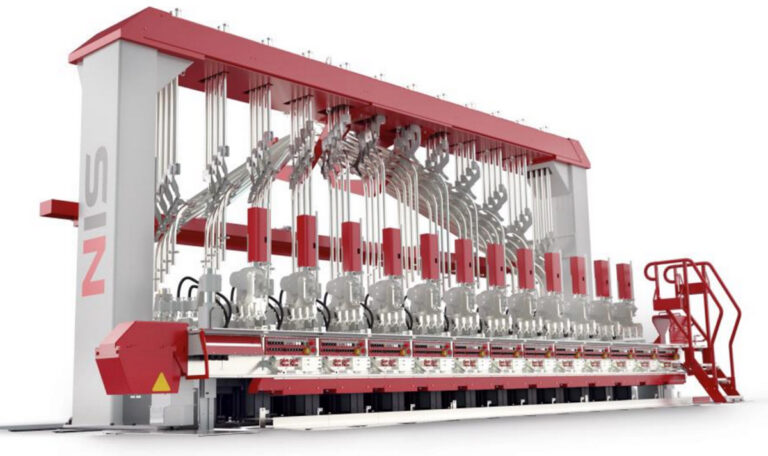
Glass recycling, cullet, sustainable packaging, energy efficiency, closed-loop production, industrial ecology
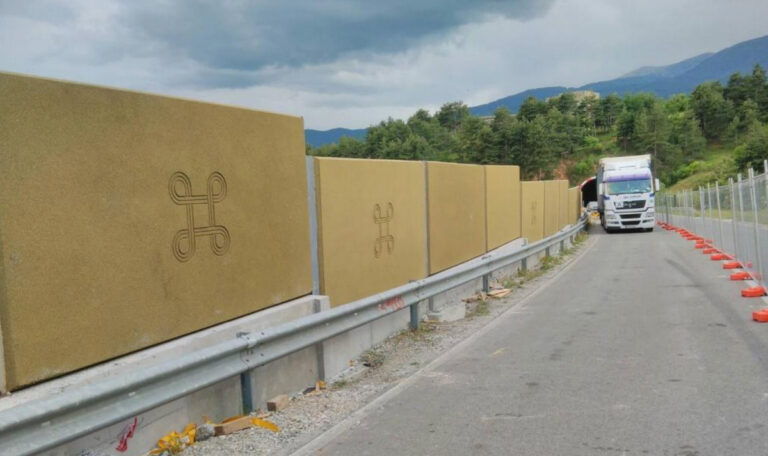
The RUCONBAR, developed by the University of Zagreb, Faculty of Civil Engineering, in
cooperation with Beton Lučko d.o.o. and Gumiimpex – GRP, represents a successful example of
industrial symbiosis and sustainable innovation in construction. RUCONBAR technology uses
rubber granules derived from end-of-life car tires as an aggregate in concrete production,
resulting in noise barriers that are both environmentally sustainable and functionally effective.
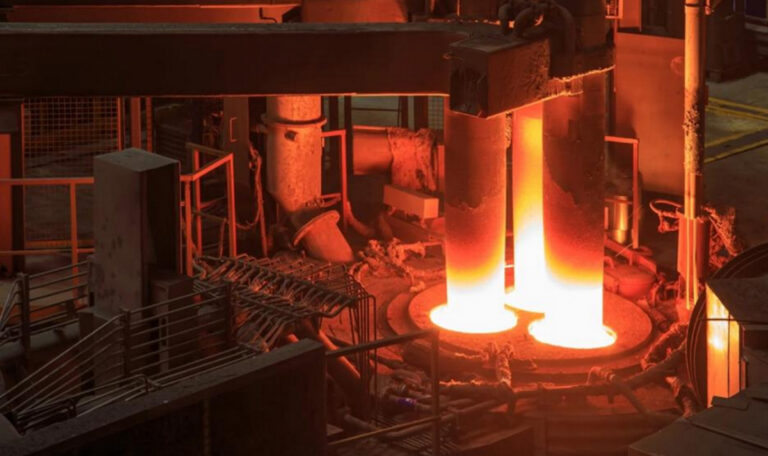
CELSA Group, headquartered in Spain, is one of Europe’s leading producers of long steel products
and a pioneer in circular economy practices in the steel industry. The company manufactures its
entire steel output using recycled scrap steel, avoiding the extraction of iron ore and drastically
reducing greenhouse gas emissions. CELSA’s model is based on full circularity, combining
advanced electric arc furnace (EAF) technology with extensive material recovery systems to close
the loop in industrial steel protection.
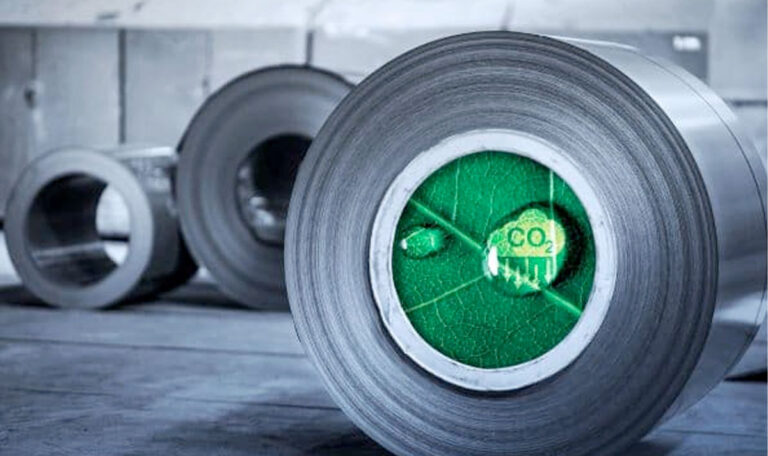
SIJ Metal Ravne reduces material waste and emissions through recycled steel use, energy-efficient remelting and modernized metallurgy.
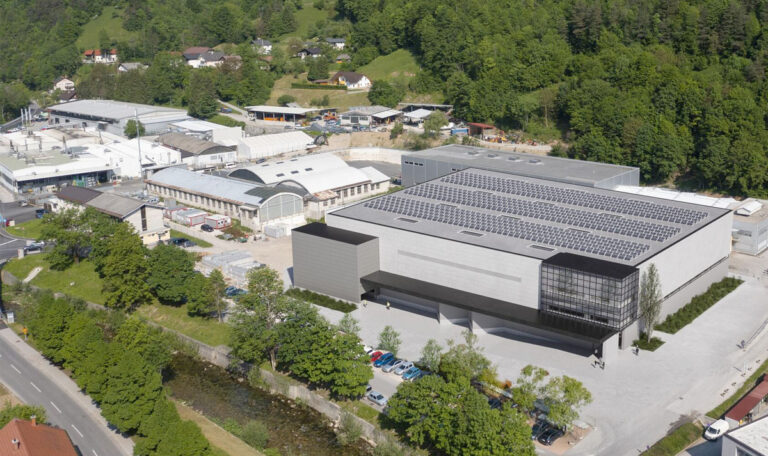
Hidria reduces waste and water use through reuse, recycling and energy-efficient tech in automotive and industrial manufacturing.
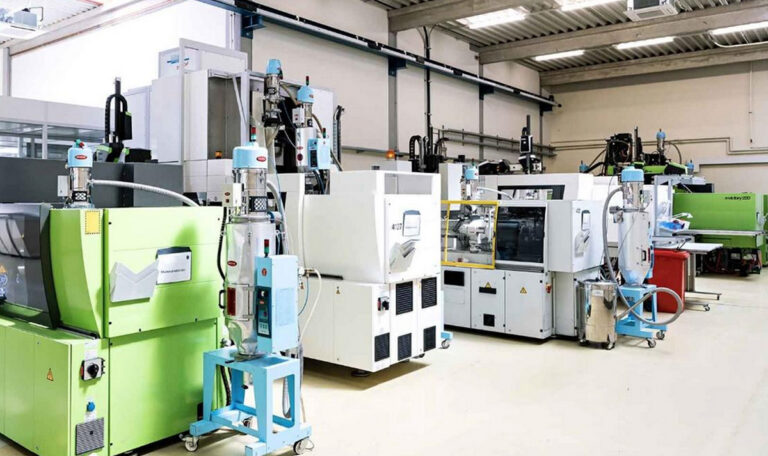
Lifecycle analysis, green energy, reuse, and sustainable design drive efforts to cut emissions, waste, and impact across production and packaging.
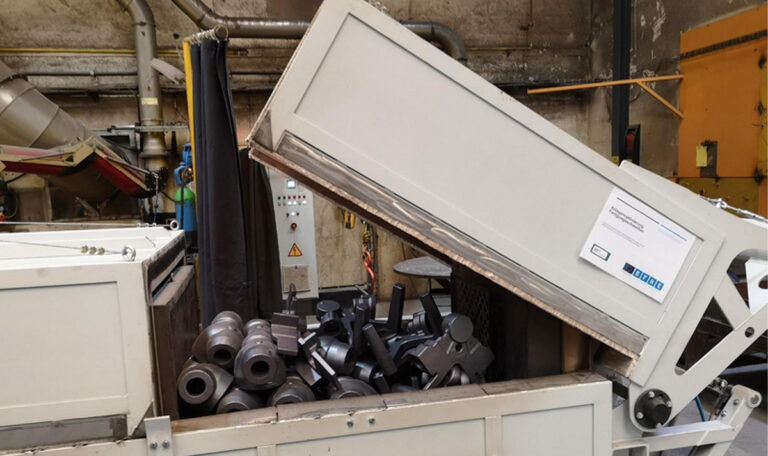
MFL optimizes casting processes and materials reuse through local cycles, reducing energy and waste.