Reduce Water usage in pickling of metals , BAMA Technologies
Summary:
Founded in 1976 and headquartered in Turbigo (Milan), Bama Technologies S.r.l. is a leading Italian company specializing in protective technologies for metals and metal alloys.
Bama operates in the metal surface treatment industry, offering a comprehensive range of services including chemical degreasing, pickling, passivation, electropolishing, and anodizing. These processes are essential for enhancing the corrosion resistance, cleanliness, and overall performance of metal components across various sectors such as medical, nuclear, and food industries. The treatments are conducted using advanced technologies and are tailored to meet specific international standards and client requirements.
Main description:
The processes carried out by BAMA Technologies (BT) are complex procedures that require appropriate infrastructure. These often involve large tanks in which surfaces are immersed to allow chemical agents to act effectively. Until recently, immersion was considered the fastest and most effective method for completing such treatments.
Water plays a key role in many of these processes, particularly during the frequent and repeated washing phases needed to ensure thorough cleaning of the treated parts. However, the water used is often discharged as waste.
To address this, BT has invested in researching more efficient methodologies that not only ensure excellent results but also minimise environmental impact. One such innovation is the introduction of the rain pickling process.
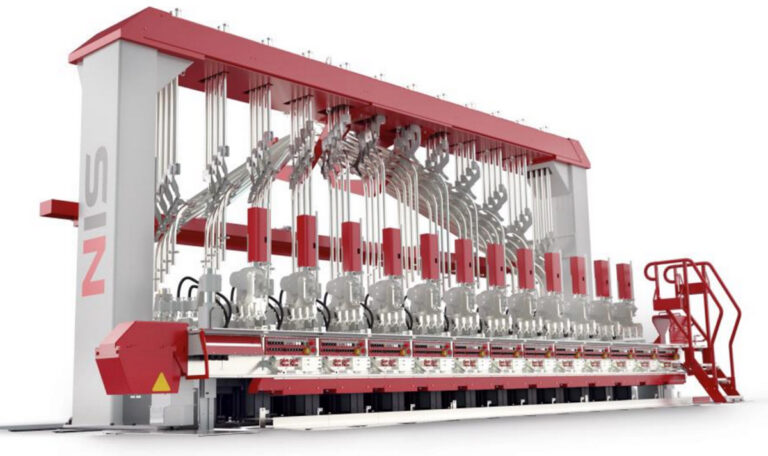
In this method, surfaces are no longer immersed but treated with a rain-like spray of pickling agent, which significantly reduces the quantity of chemicals required. Moreover, the water used in the initial rinsing stage is recovered and reused in subsequent cycles.
Through this technology, BT achieves two key objectives: reducing the use of chemical substances and promoting water recycling — all within a framework of environmental sustainability.
Resources needed:
Spray Technology Installation: High-precision spray systems were introduced to replace traditional immersion tanks, enabling controlled distribution of pickling agents.
Dedicated Treatment Areas: Enclosed spray booths were created to contain the process and ensure operator safety.
Water Collection and Recycling: Recovery systems were implemented to collect and reuse rinse water, reducing overall consumption and waste.
Ventilation and Safety Systems: Advanced air treatment and extraction units were installed to manage chemical vapors and maintain air quality.
Chemical Reformulation: New pickling agent formulations were developed, optimized for spray application rather than immersion.
Process Reengineering: Operational procedures were revised to adapt to the new treatment method, including timing, application, and rinsing protocols.
Personnel Training: Staff were trained in equipment use, safety procedures, and handling of new materials.
Environmental Monitoring: Upgraded monitoring systems were deployed to ensure compliance with environmental standards and optimize resource efficiency.
Environmental benefits:
The implementation of rain pickling has led to several advantages:
Reduced Chemical Usage: Lower volumes of pickling agents are required, decreasing environmental and health risks.
Water Conservation: Recycling rinse water reduces overall water consumption.
Enhanced Worker Safety: Eliminating manual application of chemicals minimizes operator exposure to hazardous substances.
Improved Waste Management: Preventing acid drag-out during treatment reduces the burden on wastewater purification systems.