Recycled Plastics in Industrial Pipe Manufacturing
Summary:
MAINCOR integrated recycled production scrap into multilayer pipes, saving 350 tons of virgin plastic and reducing CO₂ emissions by 25% per ton.
Main description:
MAINCOR, a mid-sized plastic pipe manufacturer, with 417 employees, has broken new ground by integrating production scrap (regranulate) back into high-performance pipes – notably in multi-layer heating and plumbing pipes. Traditionally, standards prohibited using recyclate in these pressure-rated pipes unless stringent testing proved equal quality.
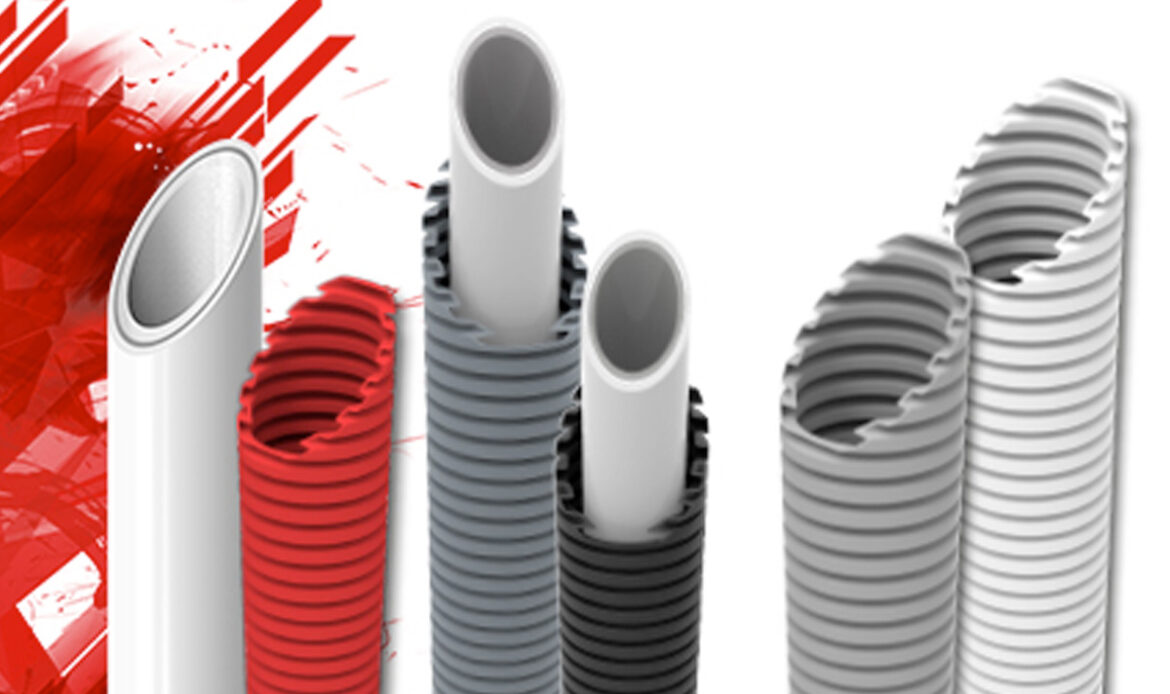
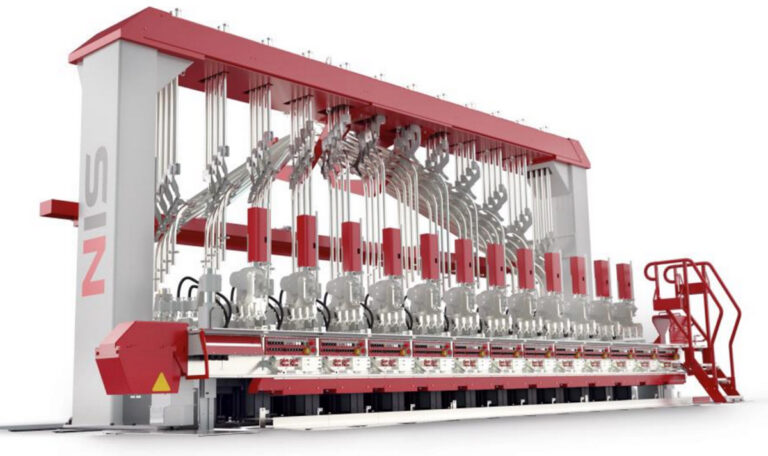
By 2021, MAINCOR closed this loop through an R&D project under Germany’s ZIM program: they developed a modified pipe design and extrusion process that adds an extra inner layer made of 100% recycled material. The innovative 6-layer pipe (dubbed “Rohr mit zusätzlicher Schicht”) uses the company’s own production off-cuts (a mix of polyolefin plastics, bonding agents, and barrier polymers) reprocessed into regranulate. Despite adding an extra layer, the pipe’s outer dimensions and performance are unchanged because MAINCOR optimized the thickness of the other layers.
Extensive testing in cooperation with the Süddeutsches Kunststoffzentrum (SKZ) confirmed the recycled-layer pipes meet all normative requirements with quality on par with pipes made entirely of virgin material. In essence, MAINCOR created a circular product: internal scrap is recycled into a new functional layer of the same product (rather than being downcycled). This closed-loop innovation was implemented in their Schweinfurt factory, making MAINCOR one of the first in its sector to use significant recyclate content in certified pressure pipes.
This innovation earned MAINCOR the Bavarian Resource Efficiency Prize in 2023 as a showcase for circular plastics. Economically, MAINCOR gains more stable material costs by using internal scrap (reducing dependency on new resin markets)
Resources needed:
The project required a technical innovation in extrusion – designing a new extrusion die and process to accommodate a six-layer construction. R&D was co-funded by government grants (ZIM) MAINCOR’s technical team collaborated with SKZ materials experts to formulate the recycled compound and ensure adhesion between layers. They invested in sorting and reprocessing equipment to reclaim clean scrap from production (trimmings, rejected pipes) and convert it into high-quality regranulate
Organizationally, getting this approved meant navigating standards bodies for qualification of the recyclate pipe and intensive product certification trials. Management commitment to innovation and sustainability was key, as is close monitoring of quality in ongoing production.
Environmental benefits:
By adopting this closed-loop, MAINCOR substitutes about 25% of virgin plastic with recyclate in the affected pipe line. This translates to an estimated 350 tons of primary plastic saved per year once scaled to full production.
Consequently, waste from pipe extrusion that would have been disposed or downgraded is now valorized, keeping those hundreds of tons of polymer “in the loop”. The company also achieved about 25% reduction in CO₂ emissions per ton of pipe produced, since producing recyclate consumes far less energy than new polymer (carbon footprint per ton dropped from ~1.92 to 1.44 tons CO₂).
Economic benefits:
Over 350 tonnes/year of resin purchase are avoided, yielding substantial cost savings. The ability to utilize scrap also reduces disposal costs and aligns the company with upcoming EU packaging and waste directives promoting recycled content. In sum, MAINCOR’s case shows an SME overcoming regulatory hurdles with tech innovation to close its own plastic loop, achieving 25% primary material savings in a critical product.