


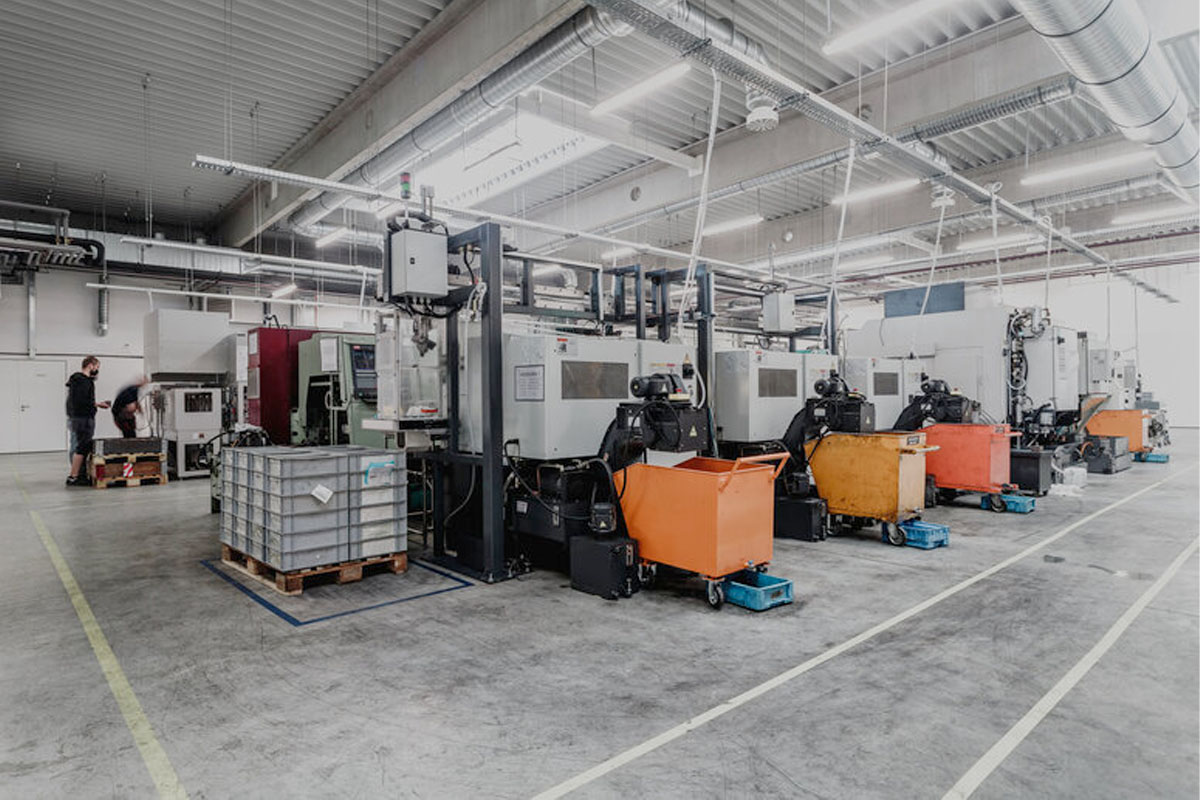
Matro Ltd. In Hungary decreased the amount of machining emulsions and solutions free of halogens…
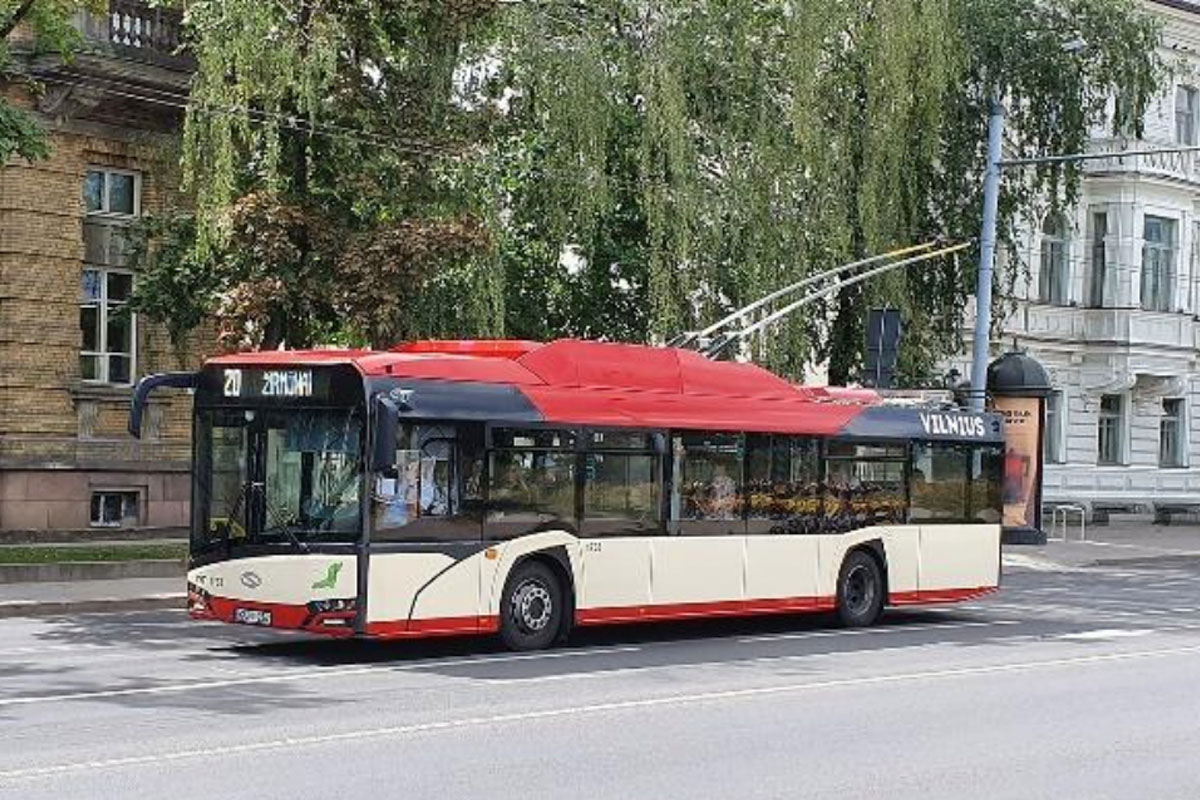
Solaris optimized component deliveries to match production needs, reducing metal, plastic, and chemical waste through…
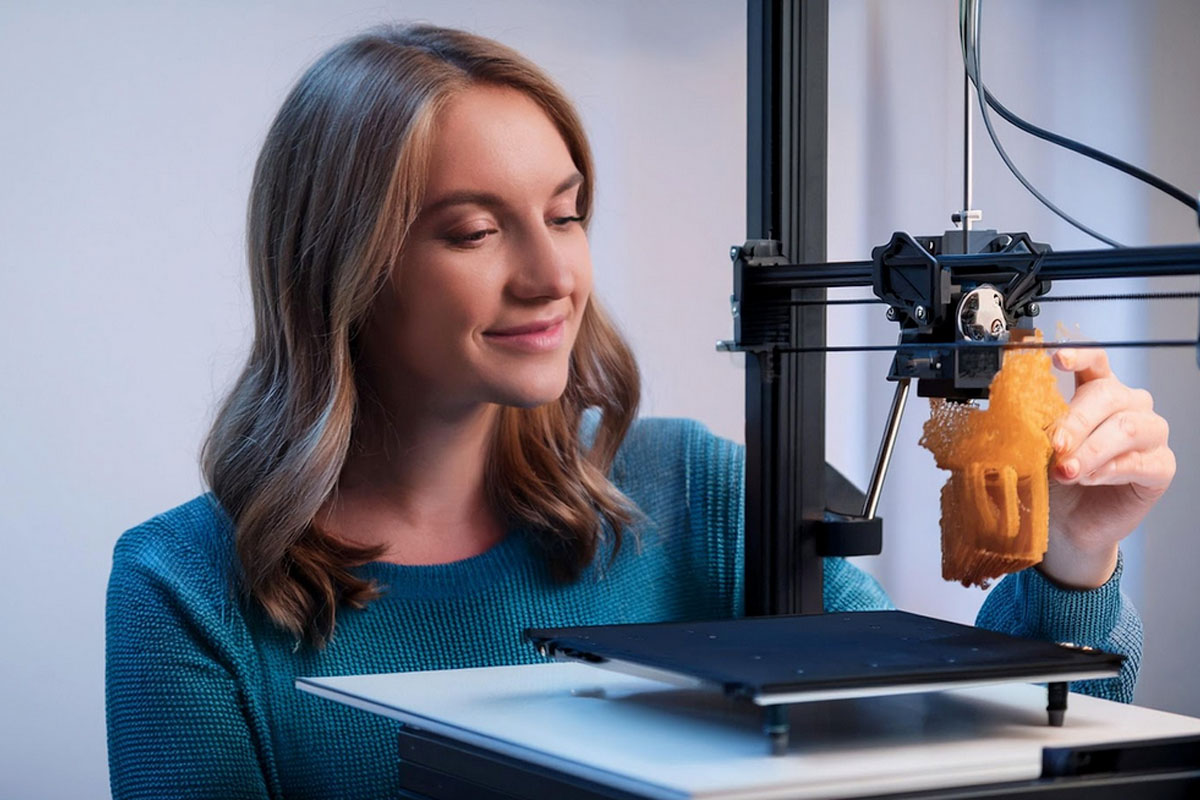
Using 3D printing for replacing CNC for fast, low-cost, and sustainable part manufacturing.
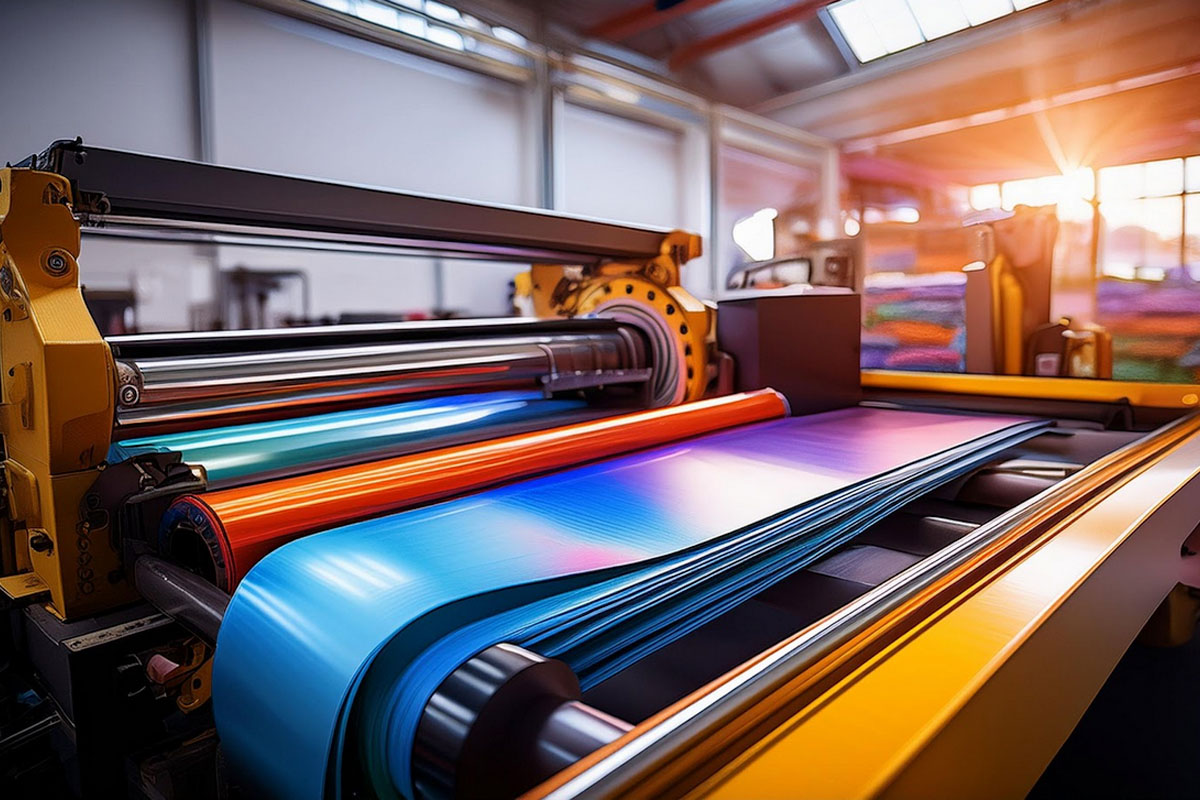
PolimerPro cut solvent emissions by 40% and oil waste by 50% with eco-solvent FS90i and…
The CURIOST project, funded under the Interreg Central Europe programme, supports the transition of small…
Glass recycling, cullet, sustainable packaging, energy efficiency, closed-loop production, industrial ecology
Matro Ltd. In Hungary decreased the amount of machining emulsions and solutions free of halogens…
The CURIOST project, funded under the Interreg Central Europe programme, supports the transition of small…
Glass recycling, cullet, sustainable packaging, energy efficiency, closed-loop production, industrial ecology
The CURIOST project, funded under the Interreg Central Europe programme, supports the transition of small…
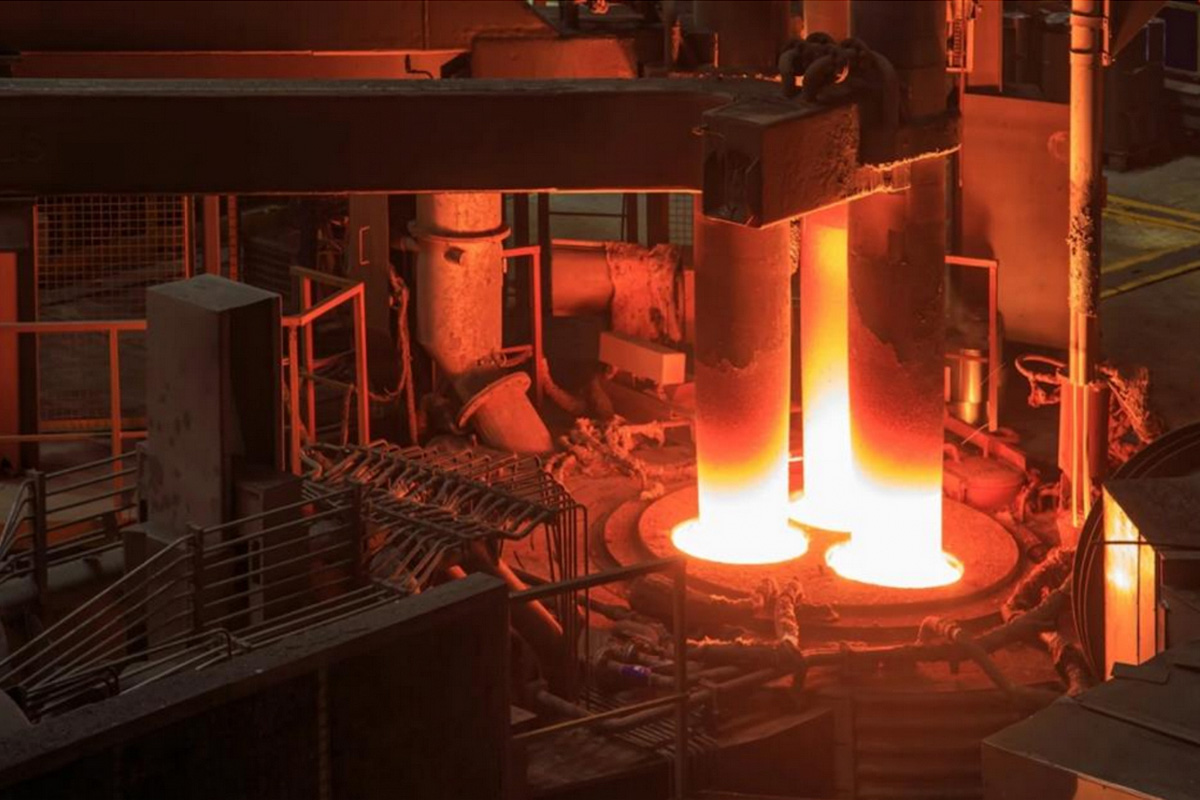
CELSA Group, headquartered in Spain, is one of Europe’s leading producers of long steel products…
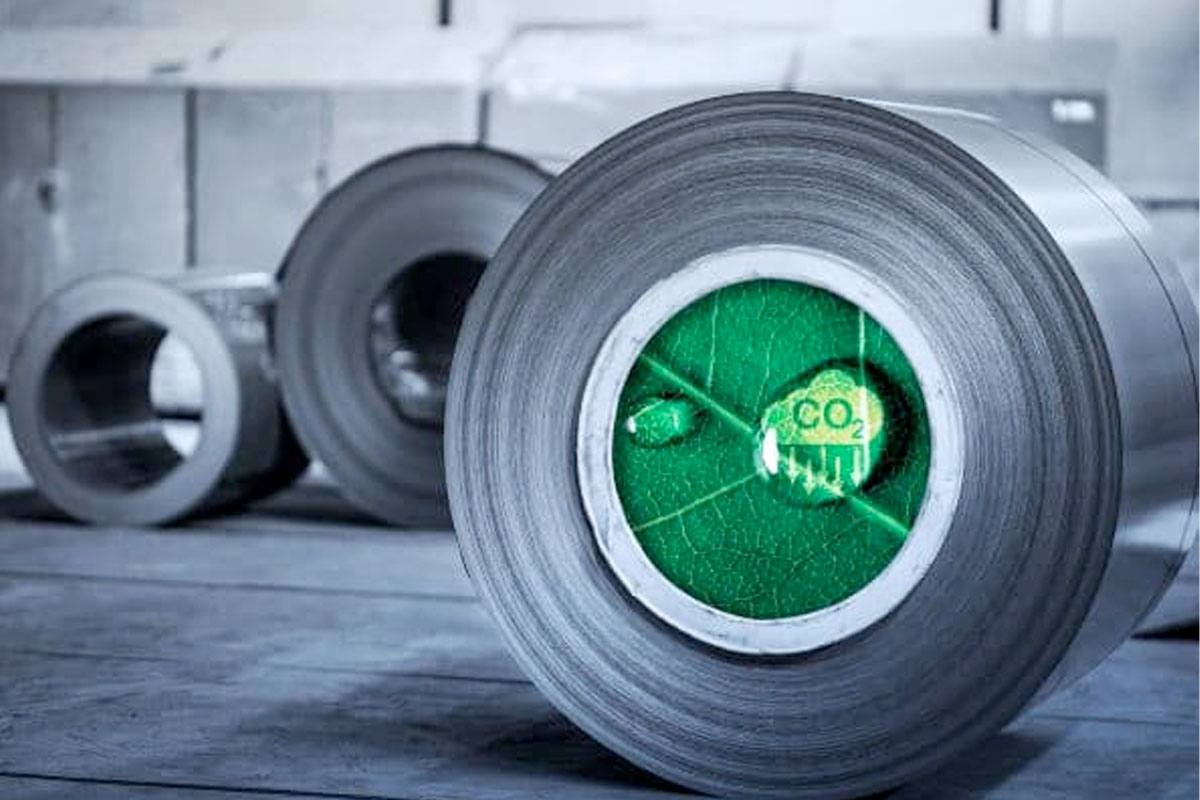
SIJ Metal Ravne reduces material waste and emissions through recycled steel use, energy-efficient remelting and…
SIJ Metal Ravne reduces material waste and emissions through recycled steel use, energy-efficient remelting and…
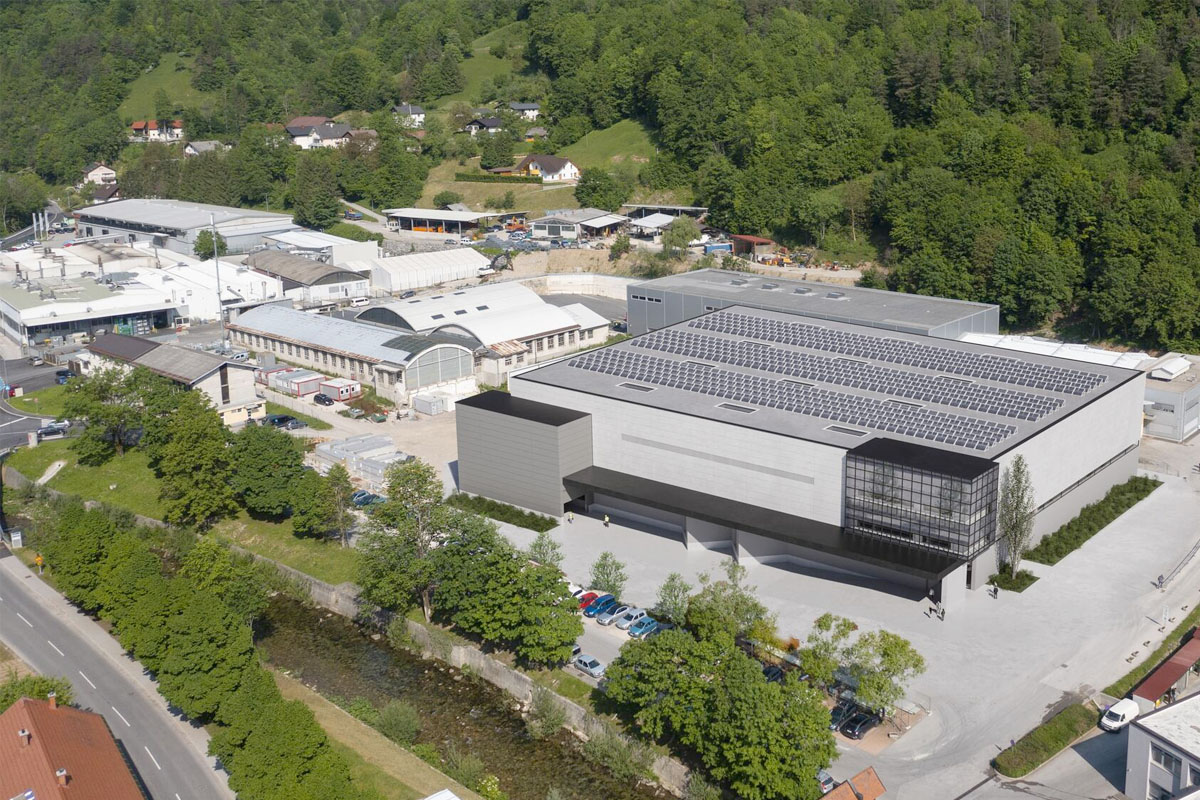
Hidria reduces waste and water use through reuse, recycling and energy-efficient tech in automotive and…
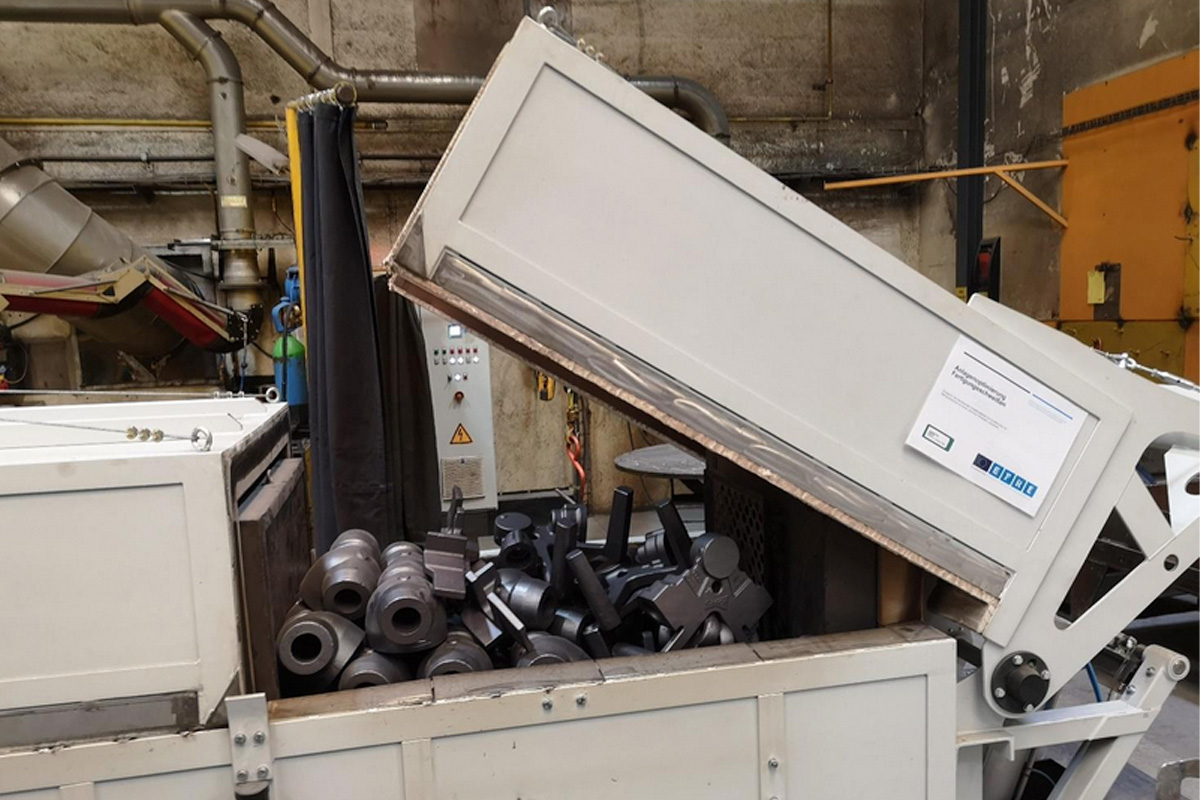
MFL optimizes casting processes and materials reuse through local cycles, reducing energy and waste.
Item #1
SIJ Metal Ravne reduces material waste and emissions through recycled steel use, energy-efficient remelting and…
Hidria reduces waste and water use through reuse, recycling and energy-efficient tech in automotive and…
MFL optimizes casting processes and materials reuse through local cycles, reducing energy and waste.
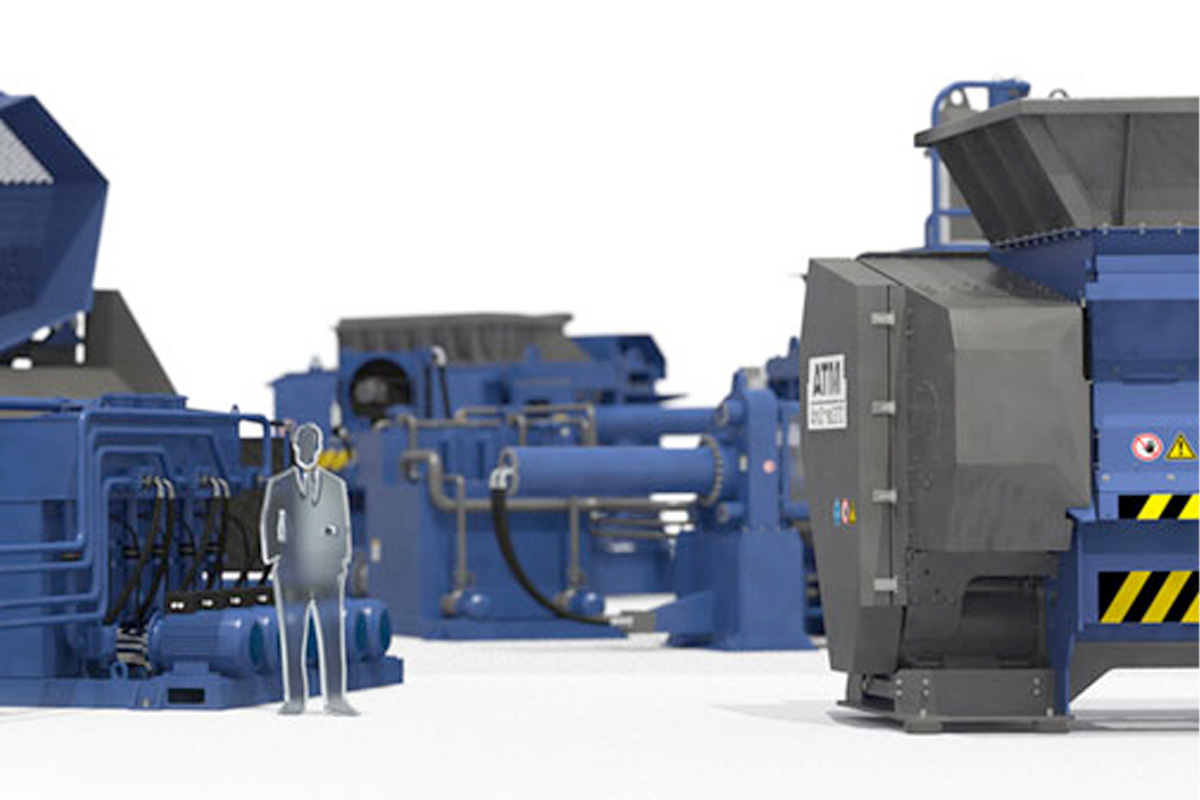
ATM Recyclingsystems GmbH, based in Fohnsdorf, develops and manufactures innovative recycling systems for processing metal-containing…
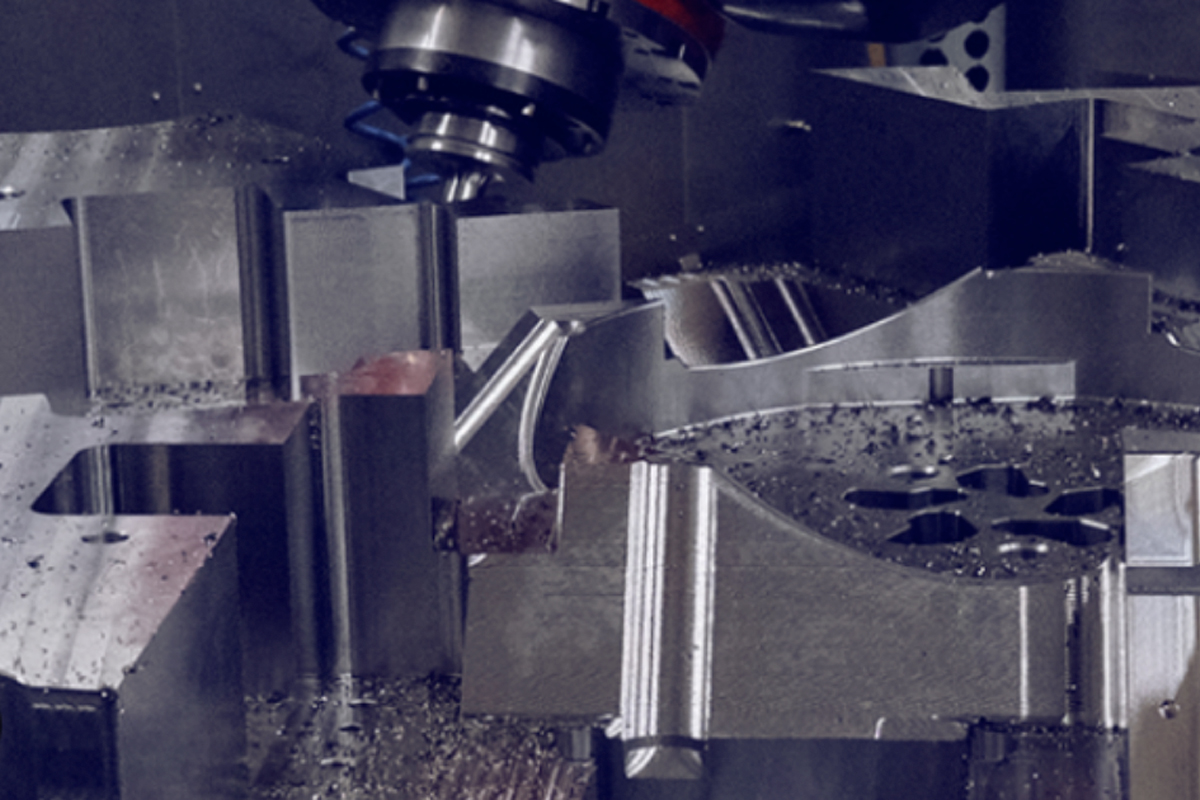
Oro met d.o.o. designs 100% recyclable steel products, reuses all by-products, and powers production with…
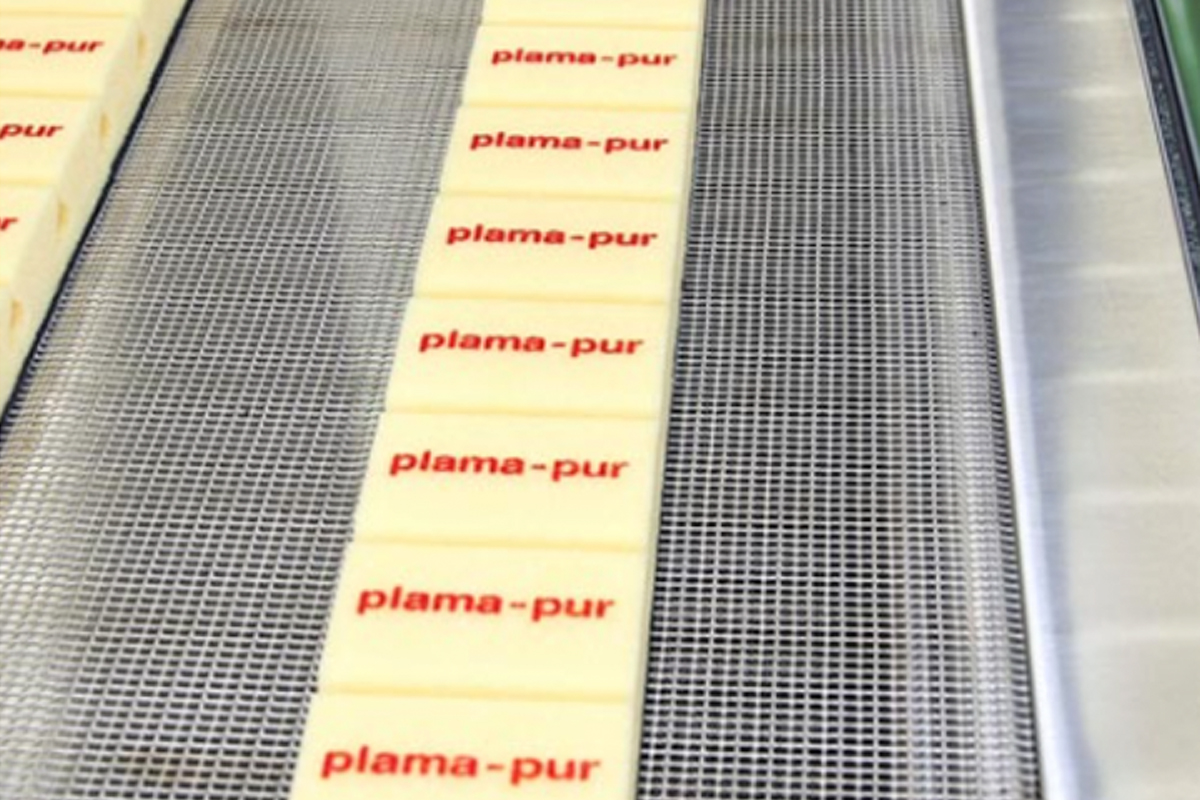
Summary Plama-pur repurposes polyurethane foam waste by recycling it into new products through grinding and..