Depolymerization of Nylon Waste into Regenerated ECONYL® Yarn

Waste Type:
Plastic
Main Circular Economy Strategy:
Plastic - Design for Recyclability & Material Substitution
KEYWORDS
Upcycle, Zero Waste, Resource Reuse

Summary

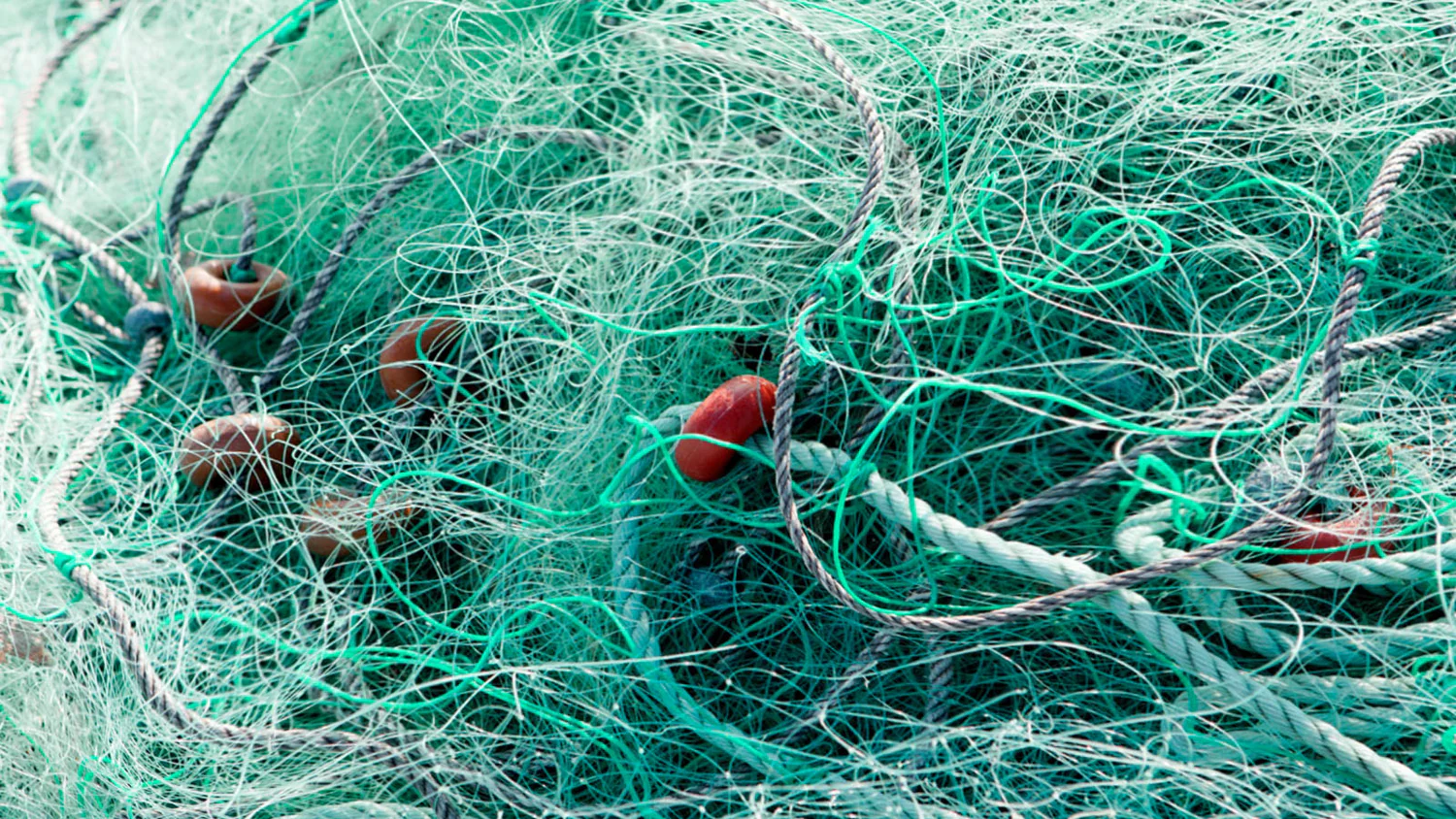
Aquafil developed a proprietary chemical recycling process to close the loop for polyamide 6 (Nylon-6): Post-consumer and industrial waste: ( discarted fishing nets, used carpets, textile scraps. offcuts from nylon-based products) are sorted ,cleaned, and chemically depolymerized into caprolactam, the monomer of Nylon-6. Caprolactam is purified and re-polymerized into ECONYL® – a regenerated nylon resin identical in performance to virgin material. ECONYL® is used to manufacture carpet fibers, apparel yarn, and technical components, fully recyclable in the same process again.

Description

Aquafil S.p.A. is an Italy-based SME with global operations and around 2,700 employees. It specializes in polyamide (Nylon-6) fiber production for applications in carpets, textiles, and technical sectors. In 2011, Aquafil launched a game-changing circular initiative: the ECONYL® Regeneration System, headquartered in Slovenia, to chemically recycle nylon waste and produce high-quality regenerated yarn. This initiative positioned Aquafil as a global pioneer in circular plastics, setting a benchmark for closed-loop polymer manufacturing. Aquafil developed a proprietary chemical recycling process to close the loop for polyamide 6 (Nylon-6): Input Waste: Post-consumer waste: discarded fishing nets, used carpets, textile scraps. Post-industrial waste: production offcuts from nylon-based products. Technology: Waste is collected, sorted, cleaned, and chemically depolymerized into caprolactam, the monomer of Nylon-6. Caprolactam is purified and re-polymerized into ECONYL® – a regenerated nylon resin identical in performance to virgin material. Output: ECONYL® is used to manufacture carpet fibers, apparel yarn, and technical components, fully recyclable in the same process again. System Integration: Includes global waste collection programs (e.g., Healthy Seas initiative for marine nets). Aquafil manages the entire value chain, from raw waste sourcing to regenerated yarn production.
Environmental Perspective

The environmental performance of ECONYL® is substantial and well-documented: Greenhouse Gas Reduction: Up to 80% lower global warming potential compared to virgin nylon. For every 10,000 tons of ECONYL® produced: ~70,000 barrels of oil saved ~57,100 tons of CO₂-equivalent emissions avoided Marine Pollution Prevention: Over 70,000 tons of waste diverted to date. Fishing nets retrieved through marine partnerships prevent ghost gear pollution. Resource Efficiency: Eliminates the need for new oil-based feedstock. Avoids incineration/landfilling of polymer-rich waste streams like carpet fluff. Recyclability: ECONYL® is infinitely recyclable, enabling true polymer circularity without quality degradation. This case illustrates circular polymer production at industrial scale, particularly impactful given the high footprint of traditional nylon production.

Economic Perspective

Aquafil’s circular model demonstrates strong economic viability and market alignment: Revenue Generation: ECONYL® commands premium pricing and high demand in sectors like luxury fashion, sportswear, and interior design. Used by brands such as Gucci, Prada, Adidas, and IKEA. Cost Control & Resilience: Using waste as feedstock buffers Aquafil against petrochemical price volatility. Avoids disposal fees for nylon waste, converting waste into value-added secondary raw materials. Capital & ROI: Initial investment in R&D and infrastructure (tens of millions of euros) supported by EU innovation funding and private capital. The success of ECONYL led to new plants (e.g. in Arizona) and expansion plans near paper mills across Europe to co-locate collection and processing. Market Differentiation: ECONYL® is a registered trademark and has become a circular brand, helping Aquafil secure long-term partnerships and meet sustainability certification standards (e.g., LEED, OEKO-TEX, Cradle to Cradle). Aquafil shows how innovation-driven SMEs can lead global market segments through circular economy integration.

  • Date
  • Client
  • Category
  • Share