100% Recyclable Product Design
Waste Type:
Main Circular Economy Strategy:
KEYWORDS
Summary
The company integrates a closed-loop, design-for-recyclability approach into its CNC-machined tool plate production, ensuring that all products and internal scrap can be fully recycled without waste. This circular model reduces landfill disposal, conserves resources, and significantly lowers energy use and CO₂ emissions compared to virgin steel production.
Description
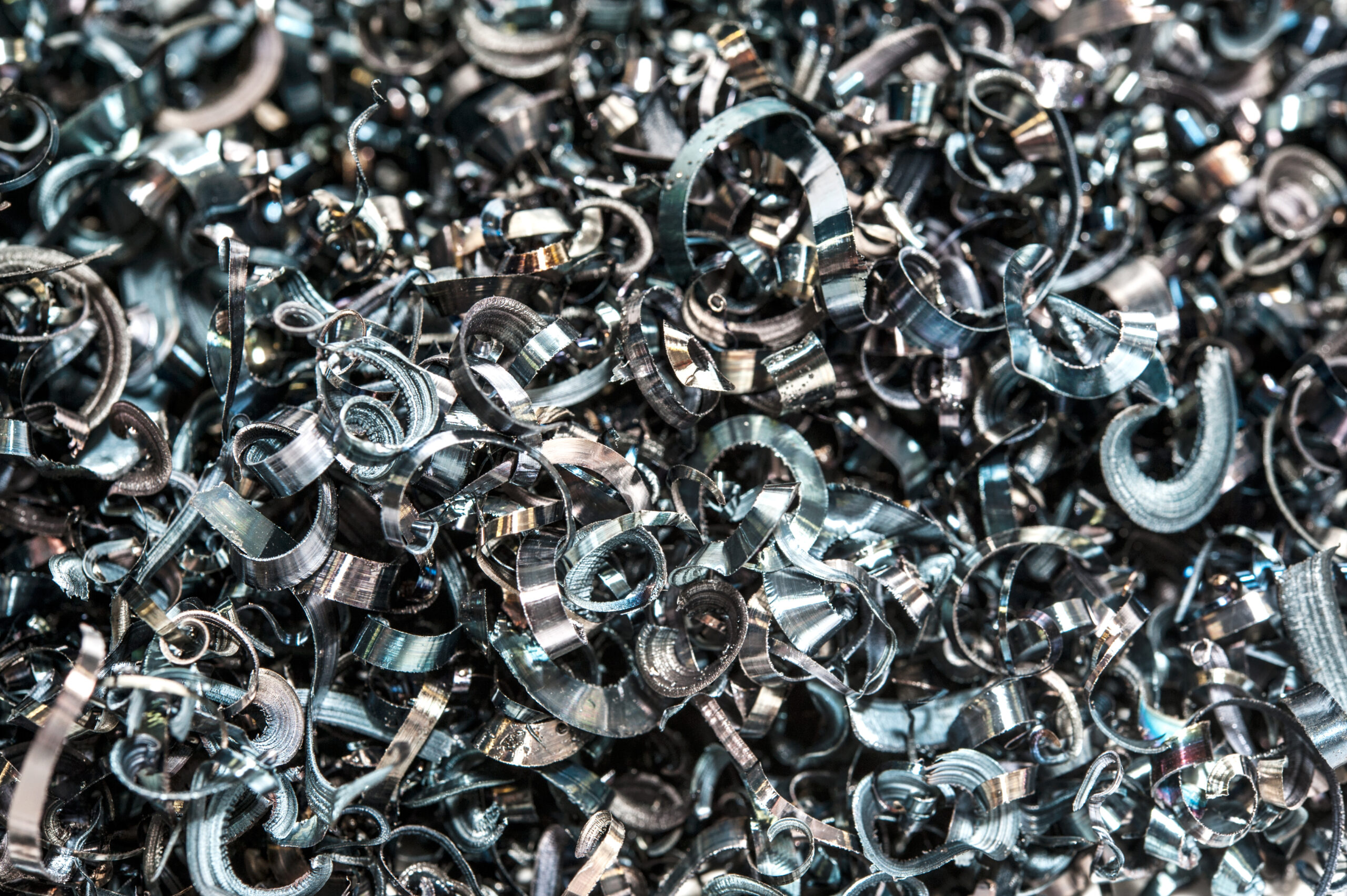
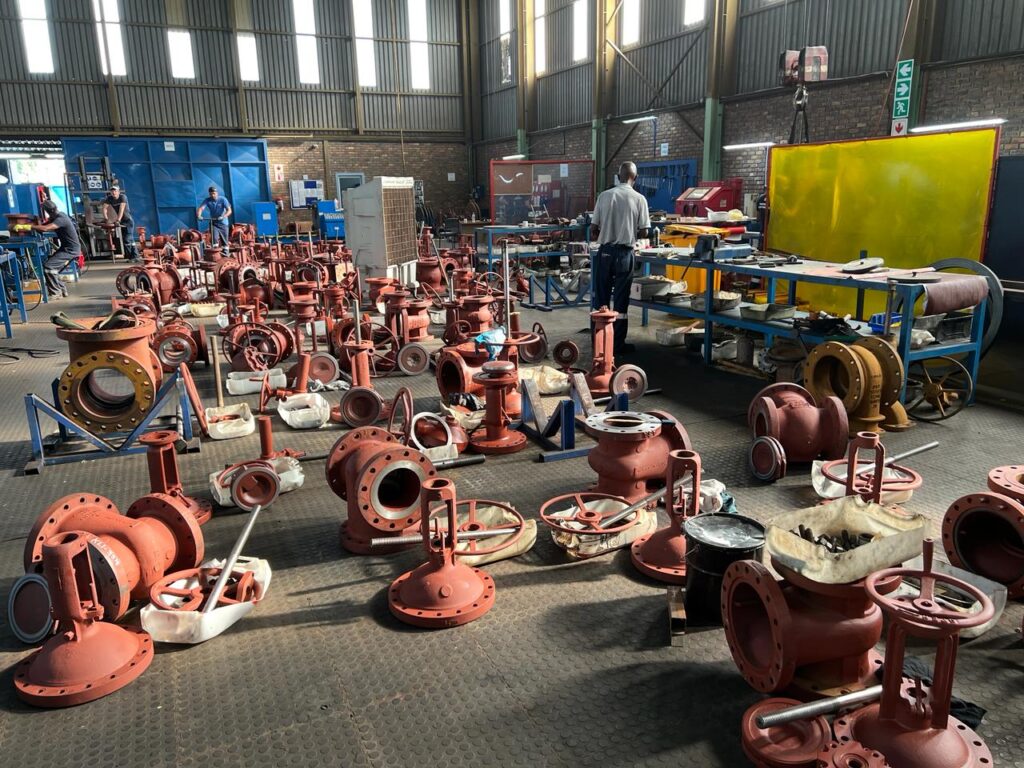
Oro met d.o.o., founded in 2005 and based in Košana, Slovenia, is one of Europe’s largest manufacturers of custom CNC-machined tool plates and frames. Serving the toolmaking, mold-making, and heavy machinery sectors, Oro Met produces high-precision steel blocks up to 15 tons in size. Its operations process approximately 10,000 tons of steel annually, sourced primarily from its sister company, Ravne Steel Center, part of the SIJ Group. This internal supply chain ensures consistent material quality and supports the company’s commitment to material efficiency and sustainable design. Oro Met has adopted a circular economy strategy focused on Design for Recyclability. Every component it manufactures is designed to be fully recyclable at end-of-life, without residual waste. The key elements of this strategy include: Monomaterial Construction: Products are made almost exclusively from high-grade tool steel, without embedded non-metallic inserts. Auxiliary components (like pins or clamps) are removable and made from compatible metals. Avoidance of Recycling-Inhibiting Coatings: Products are free from hazardous coatings or non-metallic layers. Heat treatment is used for hardening, but surface finishes do not interfere with end-of-life recycling. Standardized Grades and Sizes: Plates are produced in standardized dimensions using common steel alloys. This simplifies material sorting and ensures compatibility with existing recycling streams. Internal Scrap Recycling: Oro Met captures 100% of its production scrap (chips, offcuts) and returns it to the SIJ steelworks for remelting. This internal closed-loop system minimizes waste and maximizes resource efficiency. Facilitation of External Recycling: Oro Met’s products are designed for easy identification and processing by scrap dealers. While not a formal take-back scheme, the company encourages and enables clients to return or resell used plates into the recycling market.

Environmental Perspective
The environmental benefits of Oro Met’s design-for-recyclability model are extensive: Zero Product Waste: Every tool plate can be fully recycled, eliminating the need for landfill disposal. This ensures circular use of materials over multiple life cycles. Significant Resource Conservation: Recycling steel saves up to 85% of the energy and 65% of CO₂ emissions compared to virgin production. A single 5-ton recycled plate may save several megawatt-hours of energy and tons of CO₂. Minimized Material Contamination: Uniform steel composition and the absence of composite materials streamline the recycling process, reducing the need for refining or decontamination and improving emissions profiles at the steel plant. Durability and Reuse Potential: Oro Met’s standardized designs and robust construction also allow for potential reuse of plates or components in secondary tooling applications, extending functional lifespans before recycling. Internal Waste Reduction: By recycling all manufacturing scrap, Oro Met significantly reduces waste generation. Metal chips are likely processed (e.g., briquetted) and directly fed into SIJ’s electric arc furnaces. High Actual Recycling Rate: Given the high residual value of steel and the design simplicity of Oro Met products, practical recycling rates are estimated near 100%.
Economic Perspective
The 100% recyclability approach yields strong economic value for both Oro Met and its customers: End-of-Life Scrap Value: Customers can recover a portion of their investment when tool plates are scrapped. For example, a €10,000 plate may retain several thousand euros in scrap value. Cost Savings through Internal Recycling: By returning its own scrap to the steelmaker, Oro Met reduces raw material costs and avoids disposal expenses. This internal loop supports predictable material pricing. Lower Waste Management Costs: Oro Met’s design avoids disposal liabilities often associated with composite or mixed-material tooling. Clients benefit from reduced or eliminated waste handling costs. Market Differentiation: The ability to offer circular, sustainable products strengthens Oro Met’s position with clients facing regulatory or CSR pressure. Products with both recycled content and recyclability are increasingly favored in tenders. Vertical Integration Synergies: Oro Met’s relationship with SIJ Group creates a self-contained steel loop—scrap becomes new feedstock, and new steel is returned for manufacturing. This improves material security and shields the company from volatile commodity prices. Long-Term Resilience: Oro Met is strategically positioned to comply with future extended producer responsibility (EPR) regulations or material taxes, thanks to its existing closed-loop processes.