Valve Take-Back and Refurbishment Program

Waste Type:
Metal
Main Circular Economy Strategy:
Re-use & Remanufacturing
Company:
Rubinetterie Bresciane Bonomi S.p.A.
KEYWORDS
Reuse, Metals, Waste reduction, Product Design For Recycling

Summary

Rubinetterie Bresciane runs a valve take-back and refurbishment program to extend product lifecycle. Old valves are returned, disassembled, cleaned, repaired or rebuilt with new parts, and tested. The modular valve design with cartridges and standardized seals makes refurbishment cost-effective. This circular approach combines reuse and recycling to minimize waste and retain material value.

Description

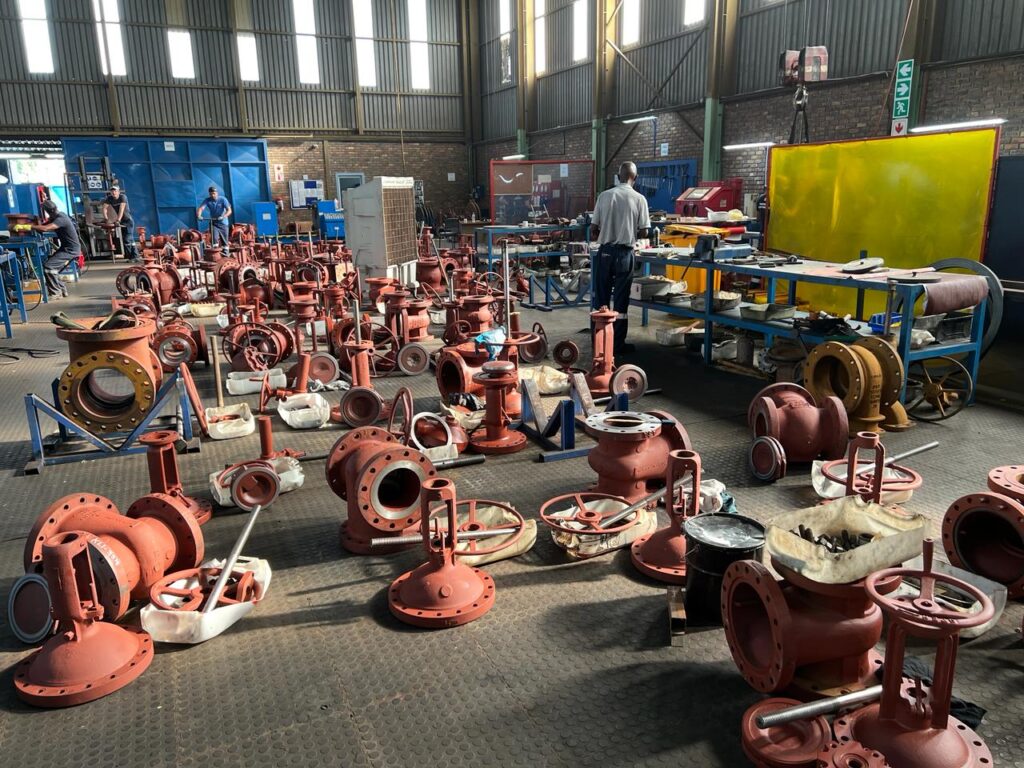
Rubinetterie Bresciane Bonomi S.p.A. (RB) is an Italian manufacturer with over a century of experience producing high-quality valves and fittings. Based in Lumezzane, Brescia, RB is part of the Bonomi Group and is internationally recognized for its brass, bronze, and stainless-steel valve solutions. Its product portfolio includes ball valves, check valves, pressure regulators, and other components used in heating, plumbing, industrial, and gas networks. The company is known for its commitment to innovation—such as its early adoption of 3D printing for brass prototyping—and serves both European and global markets through subsidiaries like Bonomi North America. Rubinetterie Bresciane has implemented a valve take-back and refurbishment program aimed at extending the lifecycle of industrial valves. Rather than allowing customers to discard old or worn valves, the company encourages their return for evaluation and repair. Returned valves are disassembled, cleaned, and inspected. Worn or faulty parts such as seals, springs, or internal surfaces are repaired or replaced, and the valve is then reassembled and tested to ensure it meets original performance specifications. This program is made possible by RB’s modular valve designs, which feature removable cartridges and standardized sealing elements. As a result, refurbishment is not only technically feasible but economically viable, especially for large and costly valves used in utilities or manufacturing. When a valve cannot be refurbished, it is instead recycled. Brass and steel parts are collected and melted down, either for reuse in RB’s own manufacturing processes or to be sold as scrap. This ensures that material value is not lost, even when functional reuse isn’t an option. The company’s approach combines reuse through refurbishment with recycling of non-repairable parts—an integrated circular solution. RB may offer service incentives, such as credits for old valves or integration of refurbishment into maintenance contracts. The company also provides field inspections to assess whether a valve should be refurbished or replaced on-site, offering customers practical support.


Environmental Perspective

The refurbishment program offers strong environmental benefits. Each valve that is refurbished eliminates the need to manufacture a new one, significantly reducing demand for raw materials and energy. Brass, a key material in RB’s products, has a high environmental cost in primary production; refurbishing a valve typically requires only minor new parts rather than a full new casting. RB ensures 100% recovery of metal waste in its facilities. All removed parts that cannot be reused are recycled. Since brass is fully recyclable and retains its quality indefinitely, this closed-loop process supports material circularity. The program also helps reduce landfill waste. Old valves that might otherwise be scrapped and discarded are returned to RB, processed responsibly, and kept in circulation. In addition, refurbishment often includes cleaning and performance upgrades, which reduce leaks and improve system efficiency, indirectly saving water and energy. Though the logistics of returning valves involve some emissions, these are minimal when weighed against the long service life of each valve. Moreover, RB is located in an industrial region with many local customers, which helps limit transport distances.

Economic Perspective

Economically, the refurbishment program creates value for both customers and RB. Customers benefit by avoiding the cost of new valve purchases. A refurbished valve often delivers near-new performance at a significantly reduced price—potentially around 50% of the cost of a new unit—making it especially attractive for large-scale or budget-sensitive applications. For RB, the program opens new revenue streams beyond product sales. Refurbishment generates income through services, labor, and part replacement. It also builds long-term customer relationships and differentiates RB in a competitive market where not all manufacturers offer circular services. Reclaiming materials from returned valves reduces RB’s dependency on volatile commodity prices, particularly for copper and zinc, which determine brass pricing. Melting down and reusing returned valves contributes to internal material supply and cushions against raw material procurement costs. Initial investment in refurbishment infrastructure—technicians, tools, logistics—is offset by long-term cost savings, new service revenue, and reduced material input. The program may also support compliance with public procurement criteria focused on sustainability and circularity. Additionally, refurbished valves can be resold to price-sensitive markets or for temporary installations, giving RB access to new customer segments while extending product use.

  • Date
  • Client
  • Category
  • Share