Robot-Assisted Off-Cut Reuse (Hybrid of Reuse & Remanufacturing)
Waste Type:
Main Circular Economy Strategy:
Company:
KEYWORDS
Summary
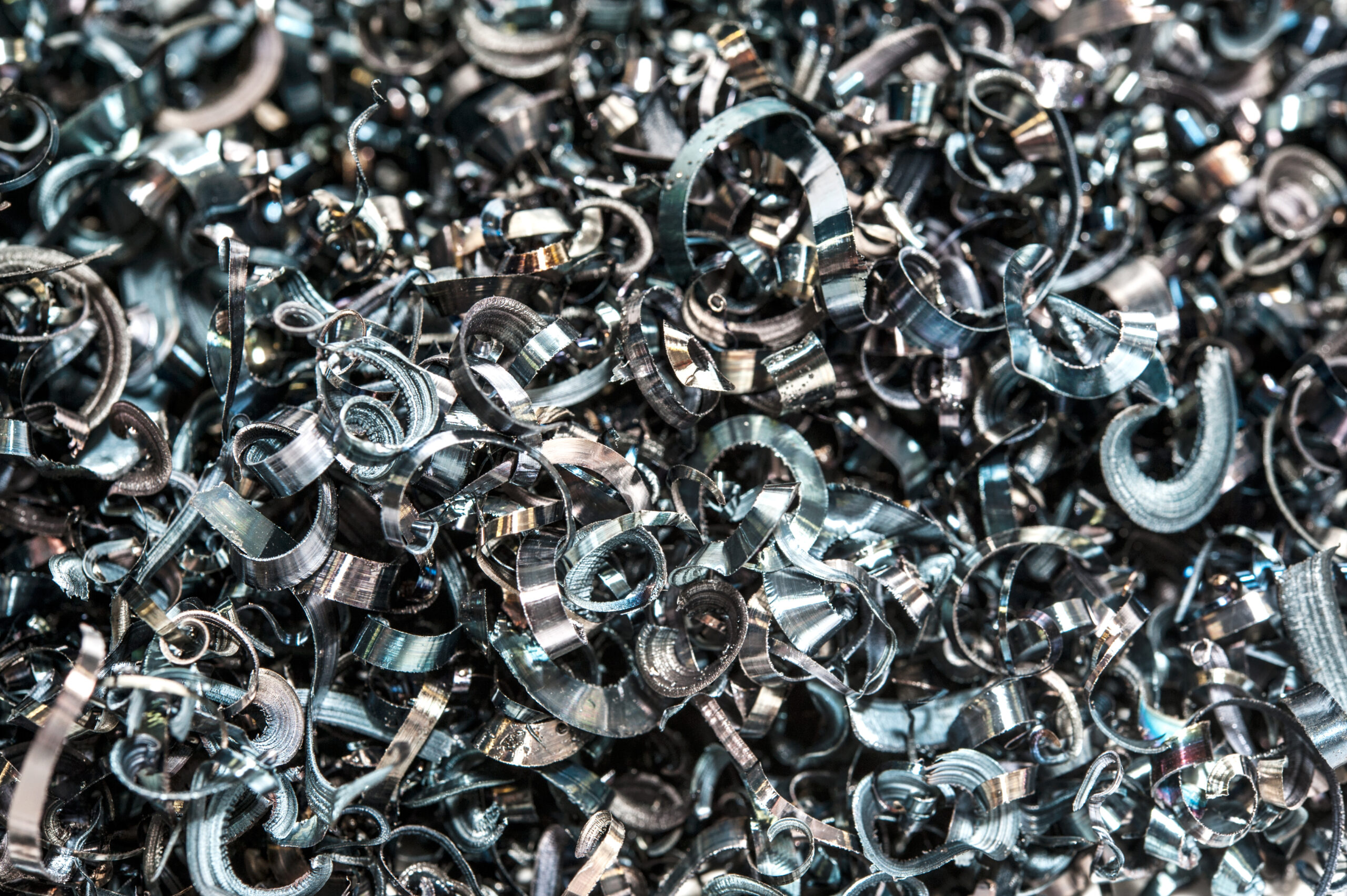
Beneva, a Czech startup, developed Saturnin, a robotic system that transforms steel off-cuts from stamping operations into new blanks, enabling in-house reuse without melting. This digital, production-line-integrated solution reduces metal waste and maximizes material efficiency in the automotive sector.
Description
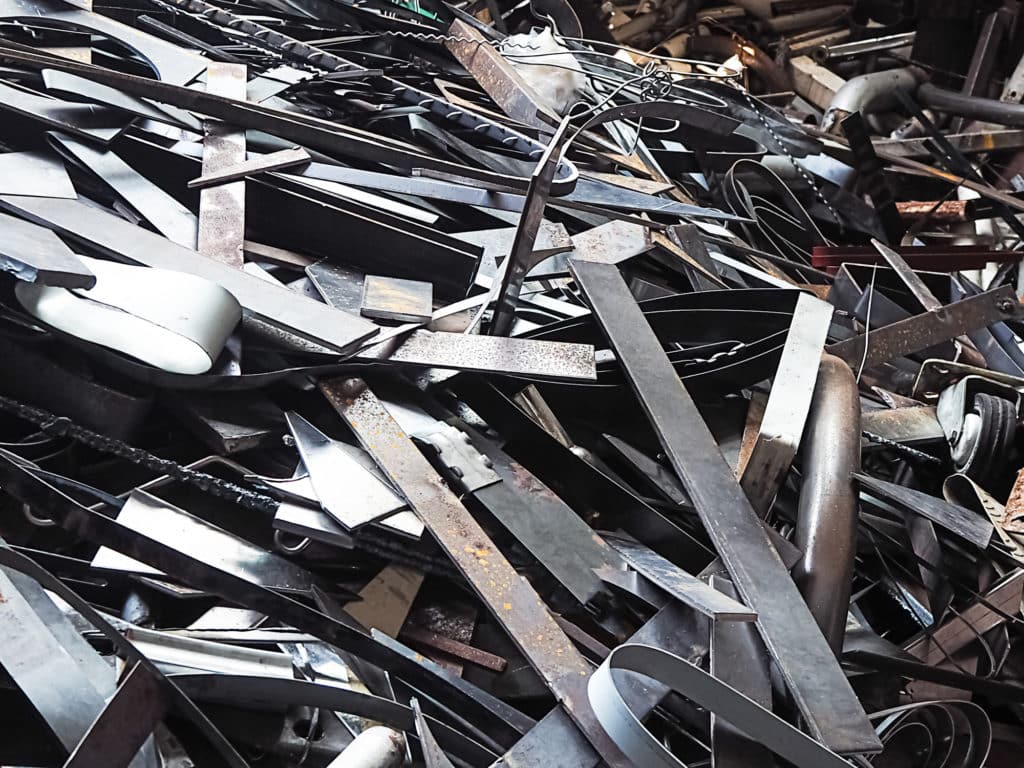
Beneva is a Czech startup innovating in industrial waste reduction, particularly in the steel-intensive automotive sector. In 2024, the company launched Saturnin, an advanced robotic system aimed at repurposing steel off-cuts—the waste skeletons left after stamping operations—into new usable blanks. Named after a clever fictional servant from Czech literature, Saturnin reflects Beneva’s goal to transform discarded material into valuable resources directly within the manufacturing line. The project targets automotive supply chains in Czechia and internationally, offering a new way to approach metal waste: not as scrap, but as input for new products. Saturnin introduces a novel hybrid between reuse and remanufacturing. The system consists of: A robotic fabrication cell equipped with imaging and precision cutting tools. Real-time analysis of stamped steel skeletons (off-cuts) to identify remaining usable areas. Smart nesting algorithms that determine how to cut new blanks from the off-cuts, maximizing material recovery. In-house reuse of these newly cut blanks for other parts in the same factory—without the need for melting or external processing. Instead of sending sheet metal remnants to recycling, Saturnin keeps them in-house and transforms them directly into functional parts. The process is digitally controlled and integrated into existing production lines, minimizing disruption and maximizing efficiency. The system is offered as a service and turnkey solution to manufacturers, especially in automotive stamping and metal fabrication.

Environmental Perspective
The Saturnin system delivers compelling environmental benefits: Avoided Recycling Emissions: While steel recycling is preferable to disposal, it still involves energy-intensive melting. Saturnin eliminates this step entirely—no transport, no furnace, no CO₂ emissions. Zero-Waste Manufacturing: By turning off-cuts into new parts on-site, Saturnin achieves effective waste prevention. Material remains in productive use without being “downcycled” or reprocessed. Carbon Footprint Reduction: Parts made from Saturnin-reused steel carry a significantly lower carbon footprint, as both virgin steelmaking and re-melting are bypassed. This helps factories meet carbon reduction targets more efficiently. Less Material Transport: Reuse at the point of generation means fewer trucks carrying scrap to recyclers and less raw steel inbound—lowering fuel use and traffic emissions. Resource Conservation: By reusing existing steel, the system indirectly reduces demand for new steel, decreasing mining and refining activities upstream. This direct reuse model makes Saturnin one of the rare solutions that entirely skips the traditional circular step of recycling, proving that reuse can be both technically and environmentally superior.
Economic Perspective
Saturnin provides clear economic incentives for manufacturers: Reduced Steel Procurement: By extracting additional blanks from material already on-site, companies buy less steel for the same output. Lower Scrap Management Costs: Less material is sent to external recyclers, saving on collection, transport, and recycling fees. Increased Material Yield: Factories gain more usable parts per ton of purchased steel, improving efficiency and reducing per-part material costs. Energy Savings: Cutting in-house with robotic tools consumes far less energy than steel re-melting in arc furnaces—saving utilities costs. High Return on Investment (ROI): The robot uses waste that has already been paid for and transforms it into new, sellable parts. This reduces the cost per part and can generate new revenue from material that was previously considered scrap. Green Market Advantage: Early adopters may benefit from carbon credits, green procurement opportunities, or reduced carbon tax exposure, especially in regulated sectors like automotive. Beneva has positioned Saturnin as both a cost-cutting tool and a circular economy enabler—a dual value proposition appealing to sustainability and procurement teams alike.