Digitalized Order Management and Sheet Format Optimization

Waste Type:
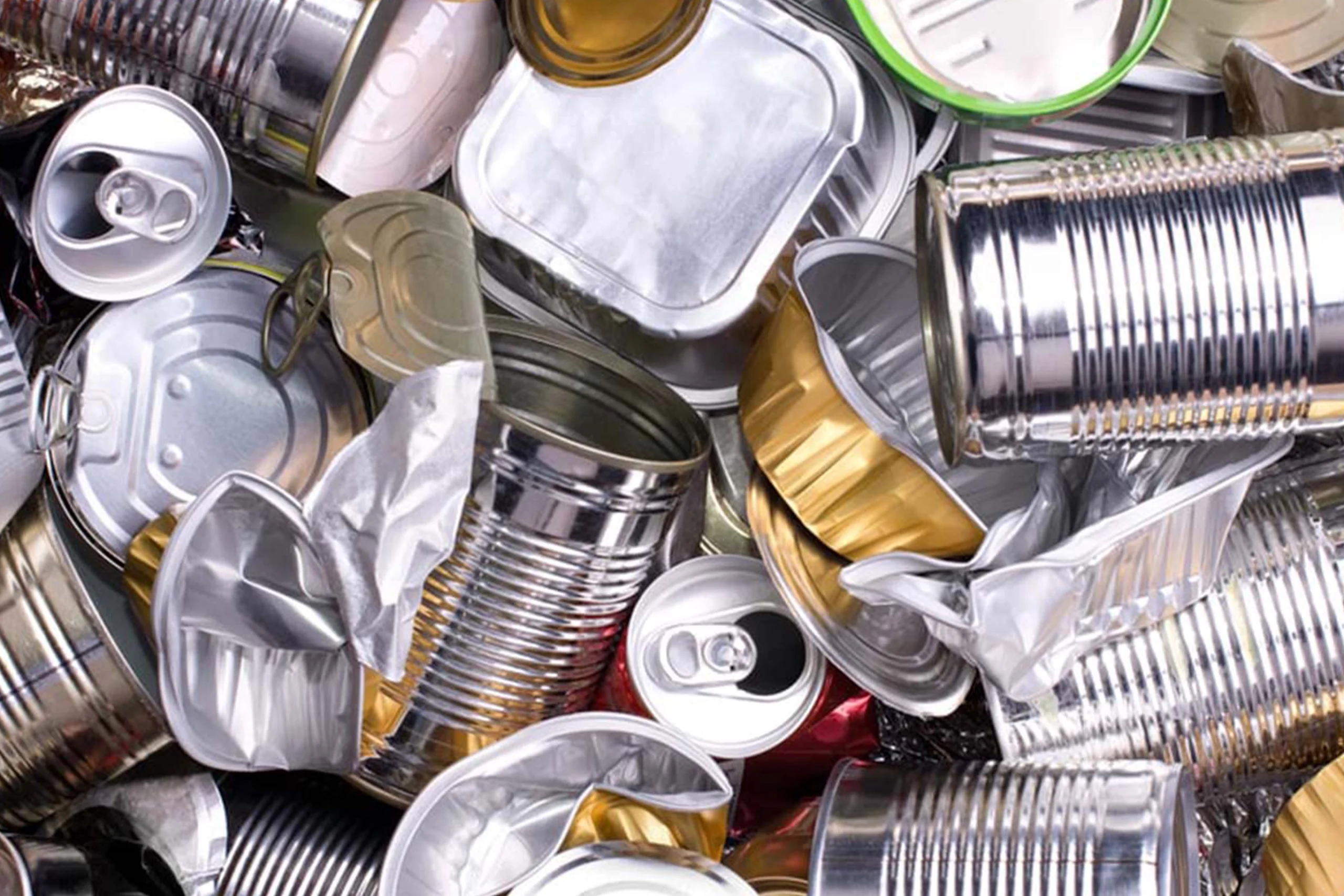
Metal
Main Circular Economy Strategy:
Process Optimization & Digitalization
KEYWORDS
Waste Reduction, Resource Efficiency, Digitalization, Process Optimization, Energy Efficiency

Summary

ZaBaG reduced waste and improved efficiency by resizing steel sheet formats to match production needs and by digitalizing order processing through an ERP system. These measures save ~130 t of steel and ~72,000 kWh annually, cut ~319 t CO₂, and generate ~€129k in yearly cost savings while improving workflow flexibility and customer responsiveness.

Description:

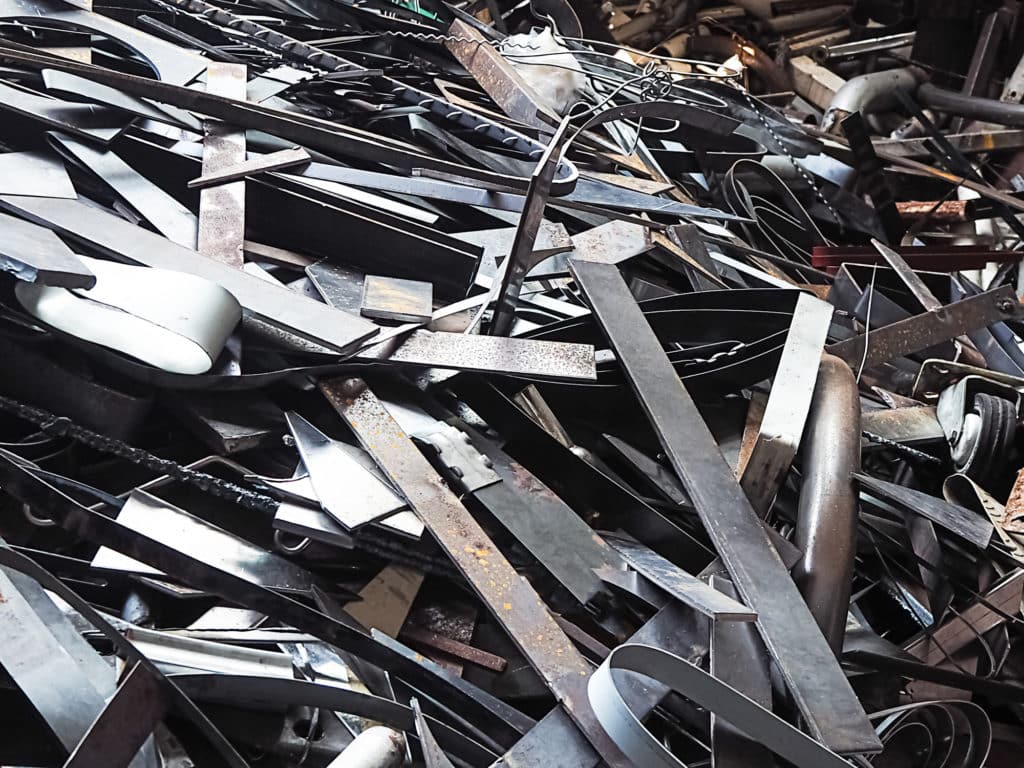
ZaBaG Zargen- und Elementebau GmbH is a metal fabrication SME based in Warstein-Belecke, Germany. Founded in 1977 and employing 47 people, the company specializes in manufacturing steel and stainless-steel door frames and structural components. These products often meet demanding technical requirements including fire, smoke, sound, and burglary protection. As part of its production process, ZaBaG consumes large volumes of steel sheet through cutting and forming operations. Prior to its circular initiative, the company faced significant material inefficiencies and data handling problems, leading to avoidable scrap generation and reduced process efficiency. ZaBaG addressed its inefficiencies through two primary measures, developed in cooperation with the Effizienz-Agentur NRW and supported through a PIUS-Check (Process Integrated Environmental Protection) assessment. Sheet Format Optimization The company analyzed product specifications and order patterns to adjust the raw material sheet sizes. Standard sheet formats were resized to better fit the actual dimensions of parts, reducing the generation of off-cuts. By matching sheet sizes more closely with output needs, ZaBaG significantly reduced scrap without compromising product quality. Digitalization of Order Processing ZaBaG introduced a modern ERP-supported workflow system. Customer orders are now entered once into a central platform and automatically translated into production documents and machine instructions. The system allows real-time order tracking, error reduction, and improved responsiveness to last-minute changes. Intelligent job sequencing and layout optimization have improved machine utilization and reduced unnecessary changeovers. Together, these two interventions transformed ZaBaG’s operations into a more resource-efficient, agile, and data-driven production system.


Environmental Perspective

The environmental impact of ZaBaG’s optimization measures is considerable, especially given its SME scale: Material Savings: ~130 tons of steel saved annually by reducing off-cuts and aligning raw material size with production needs. Energy Reduction: ~72,000 kWh of energy saved per year due to improved cutting, forming, and fewer reprocessing cycles. GHG Emissions Avoidance: ~319 tons of CO₂ emissions avoided annually through decreased material use and lower energy consumption in production. Additional Environmental Gains: Less waste metal handled, transported, or recycled. Reduced emissions from delivery logistics (due to lower material procurement). Lower paper use and rework due to digital process control.

Economic Perspective

ZaBaG’s efficiency improvements resulted in significant financial benefits: Annual Cost Savings: Estimated at ~€129,000 per year, primarily due to reduced steel procurement and energy use. Lower production error rates and reduced rework also contribute to cost efficiency. Productivity and Workflow Gains: Improved production scheduling, fewer disruptions from last-minute changes, and better sequencing of jobs. Reduced downtime from manual data entry and eliminated double work. Material Purchasing Advantages: With optimized standard formats, ZaBaG can potentially negotiate better pricing on tailored stock orders. Risk Mitigation: Lower exposure to steel price volatility due to lower annual demand (130 tons saved/year). Reduced waste handling and associated liabilities. Public Co-Funding Support: Partial financial support from the NRW resource efficiency program reduced the net cost of implementation and facilitated ROI. Overall, ZaBaG has strengthened its operational resilience, improved profitability, and enhanced its competitiveness in a cost-sensitive sector.

  • Date
  • Client
  • Category
  • Share