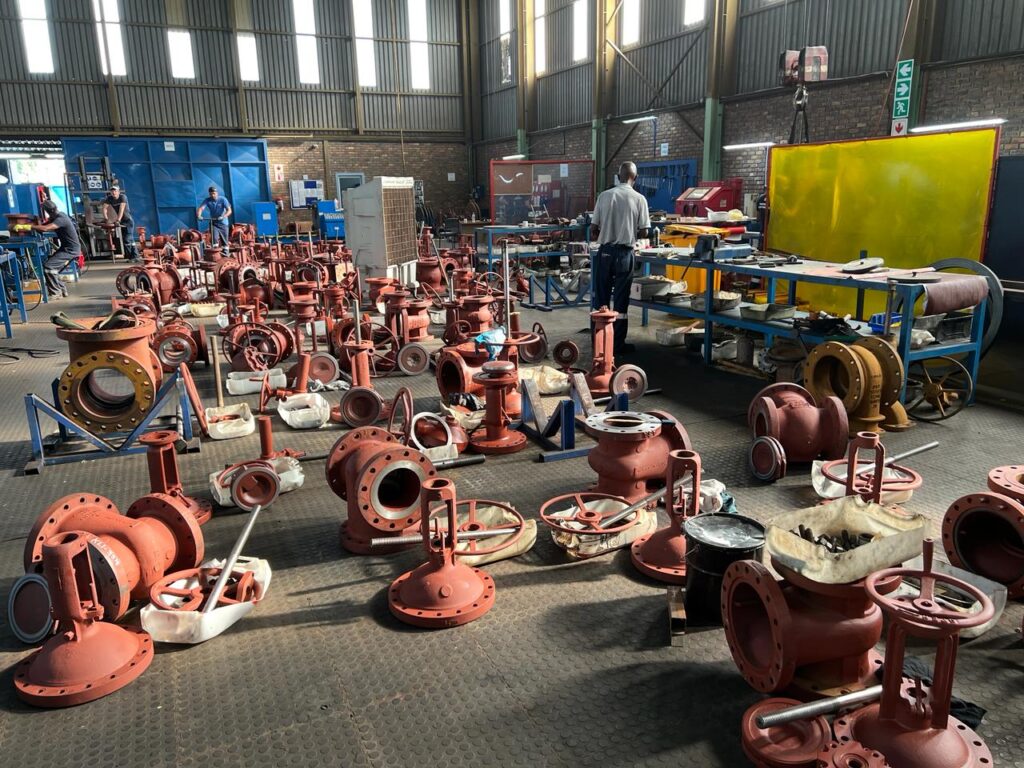
Valve Take-Back and Refurbishment Program
Waste Type:
Main Circular Economy Strategy:
KEYWORDS
Summary
BBM Blasformtechnik uses digital twin and AI simulations to optimize blow-molding machines for high recyclate content, enabling products with up to 85% recycled polyethylene. This approach cuts prototyping waste and energy use, lowers client costs, and drives industry adoption of recycled plastics in durable applications.
Description:
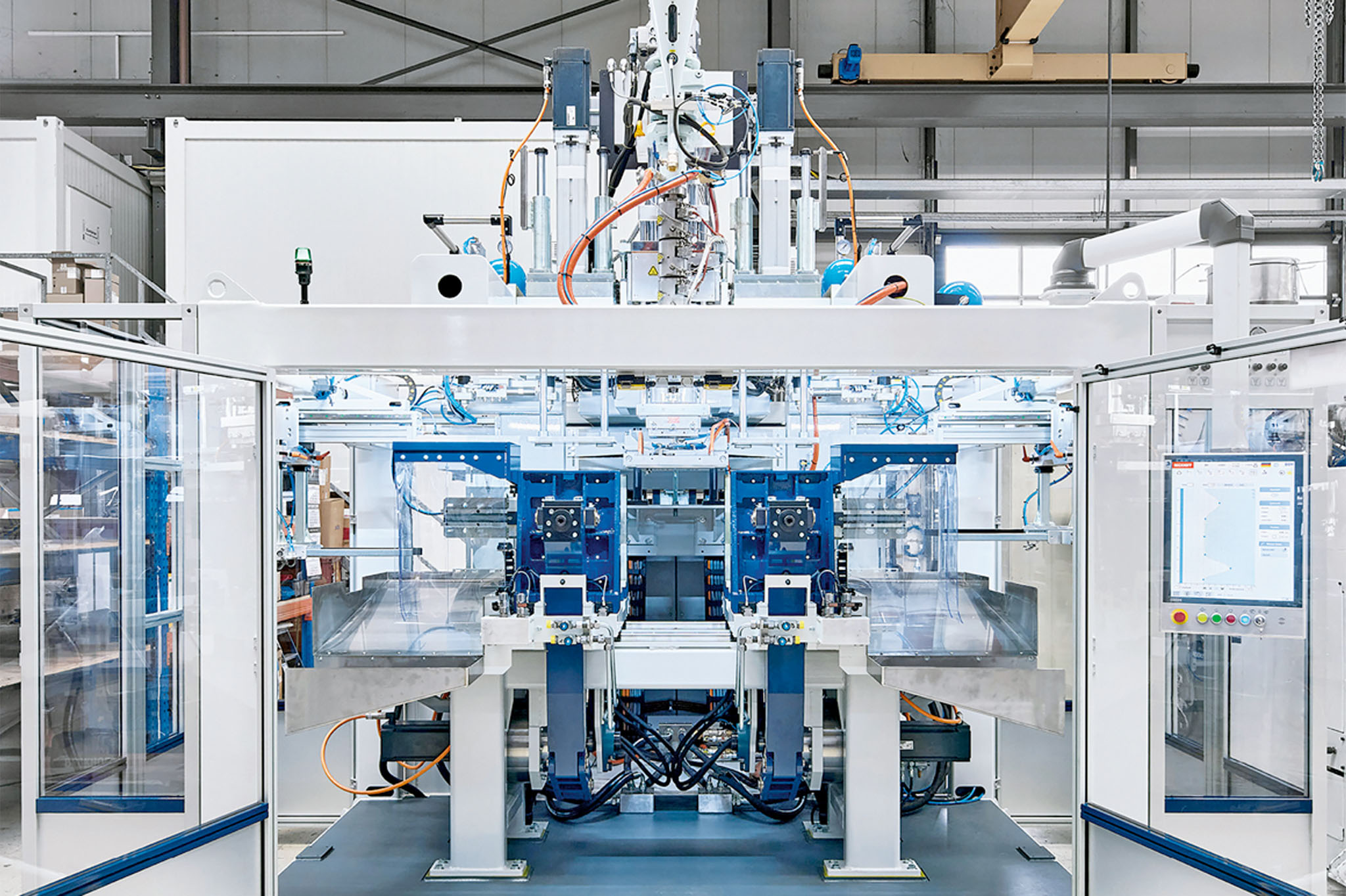
BBM Blasformtechnik GmbH, a medium-sized mechanical engineering SME based in Illertissen, Germany, specializes in manufacturing extrusion blow-molding machines. The company embraced circular economy principles by integrating advanced digital engineering tools to design machines that optimize the use of recycled plastics. Leveraging Industry 4.0 technologies, BBM enabled clients to manufacture products with up to 85% recycled polyethylene, minimizing reliance on virgin material. Key elements of the solution include: Digital Twin & AI Simulations: BBM developed digital replicas of its molding systems to simulate and refine the processing of high-recyclate plastic blends without compromising product integrity. Recyclate-Friendly Tooling Design: Optimized mold geometry and wall-thickness parameters allow for stable production using recycled plastics of varying quality. Virtual Testing for Efficiency: By testing mold configurations digitally before physical prototyping, the company cut start-up energy use and reduced tooling waste. Circular Product Enablement: Clients using BBM’s machines increased the recycled content in plastic drums and containers, significantly displacing virgin polymer use. Integration with Machine Learning: Continuous process feedback helps improve recyclate processing tolerances and reduce production variability. BBM demonstrates how digital transformation in machine design can catalyze circular material flows across entire value chains.

Environmental Perspective
Virgin Plastic Displacement: Machines built by BBM enable use of up to 85% recycled plastic in blow-molded products, reducing extraction and petrochemical processing. Waste Reduction in Prototyping: Digital simulations halved material waste in BBM’s own development cycles, minimizing scrap and mold iterations. Energy Savings: Virtual testing saved ~1,000 kWh per year per machine setup, equating to an annual reduction of ~408 kg CO₂ emissions. Long-Term Impact on Clients: Over a five-year period, BBM's customers increased their use of recycled polyethylene by 344%, significantly reducing cumulative plastic waste and carbon footprint. Industry Standard Advancement: Promotes the uptake of secondary plastics in high-performance applications, helping shift the industry toward recycled content norms.
Economic Perspective
Reduced Development Costs: Virtual prototyping shortened time-to-market for new molds and reduced the need for costly physical tests. Client-Side Material Savings: Clients benefit from lower material costs when switching from virgin to recycled polymers, especially at high volumes. Energy Efficiency ROI: Digitalization reduces operational energy costs and contributes to overall production efficiency. Tooling Optimization as a Service: BBM’s expertise in circular-compatible mold design has become a value-added service line for customers seeking to comply with ESG goals. Market Differentiation: BBM strengthens its competitive position as a technology provider aligned with future EU plastic regulations and sustainability benchmarks.