Scrap-Based Steel Manufacturing and Internal Swarf Recycling
Waste Type:
Main Circular Economy Strategy:
Company:
KEYWORDS
Summary
Voestalpine’s High Performance Metals Division maximizes recycled steel scrap and achieves 100% closed-loop recycling of machining waste using Electric Arc Furnace technology. This circular approach reduces raw material demand, cuts CO₂ emissions, and strengthens resilience in specialty steel production.
Description:
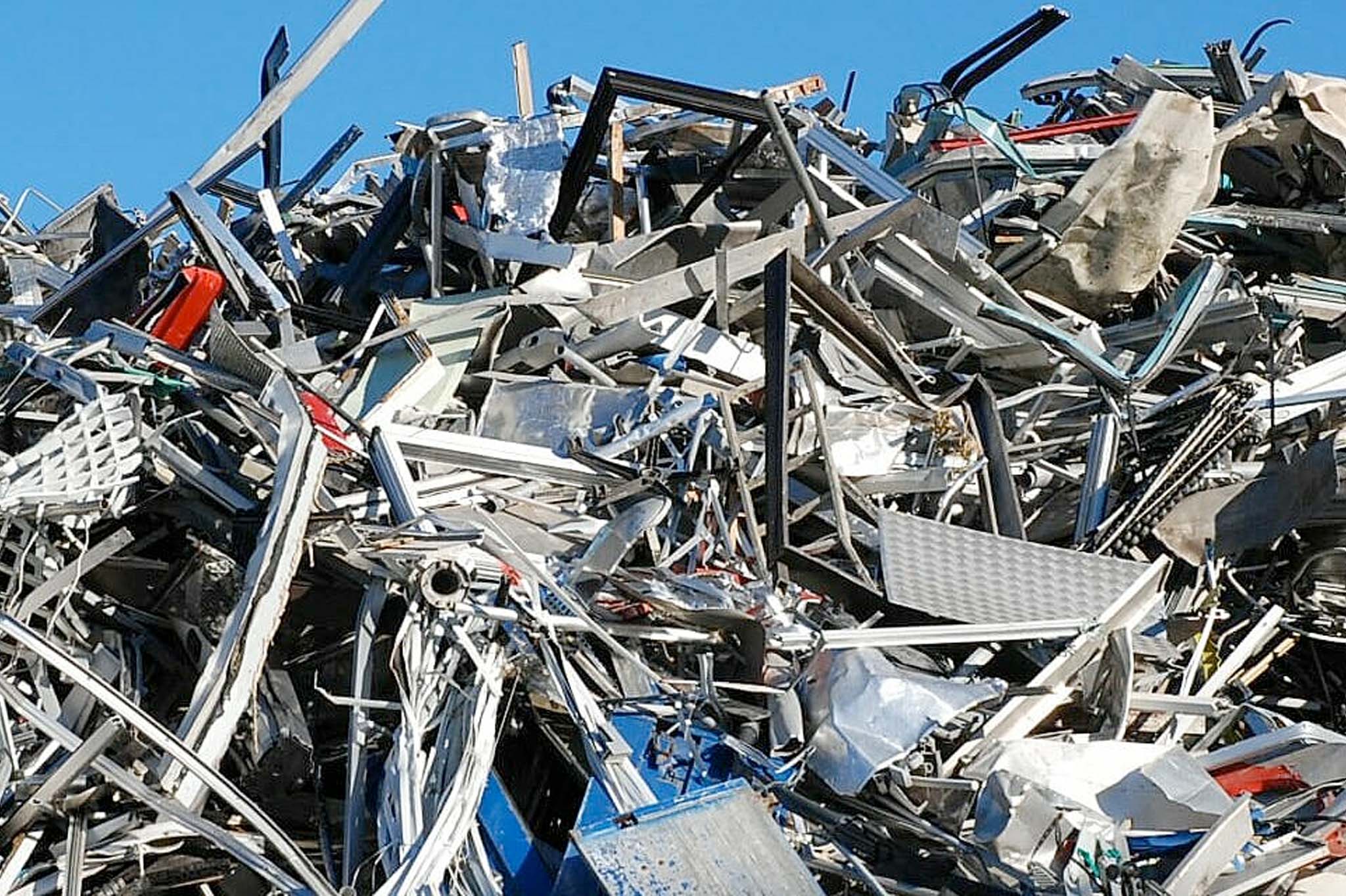
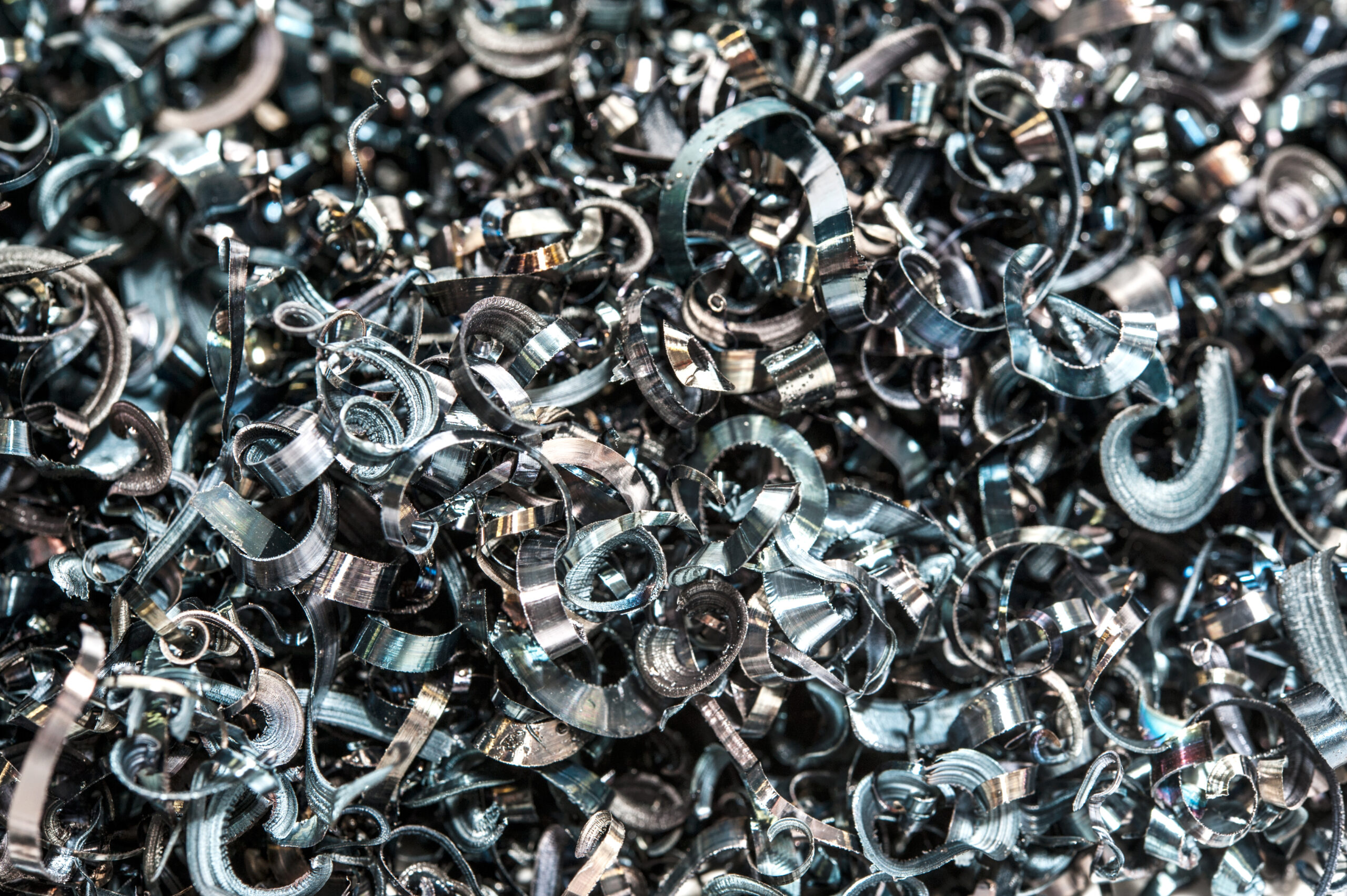
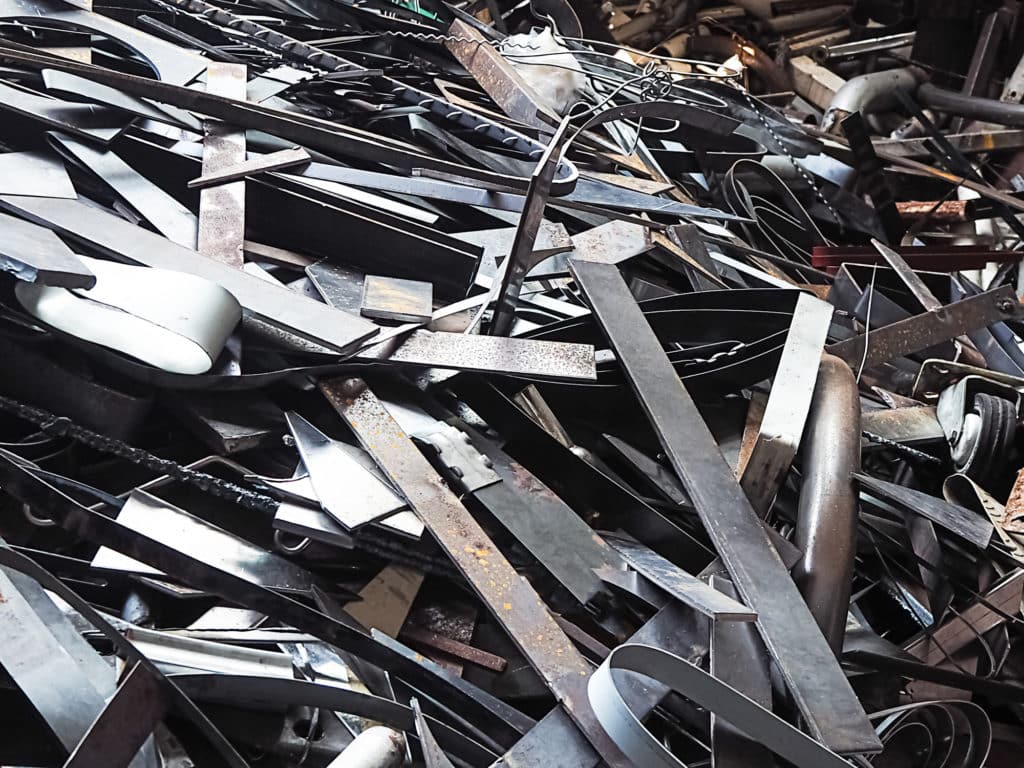
Voestalpine’s High Performance Metals (HPM) Division, located in Kapfenberg, Austria, is a medium-sized producer of specialty steels used in tools, automotive, and aerospace applications. As part of its decarbonization and circularity strategy, the company has restructured its production systems to maximize the use of secondary raw materials—chiefly recycled steel scrap—and eliminate internal material losses. Key elements of the solution include: ¡ High Scrap Input in Melting Process: Over 66% of raw material in steel production now comes from steel scrap, with a corporate target to exceed 90% by 2030. ¡ Electric Arc Furnace (EAF) Technology: Enables the use of diverse scrap types as feedstock, lowering carbon intensity compared to blast furnace routes. ¡ Closed-Loop Machining Waste Recovery: Machining swarf (metal shavings) is collected, cleaned, and returned to the melting process, achieving 100% internal recycling of this waste stream. ¡ Supplier Take-Back and Sorting Systems: Partnerships with suppliers and improved in-house sorting ensure high-quality, traceable scrap flows for specialty alloy production. ¡ Material Loop Design: The approach forms a nearly closed loop where steel products and processing waste re-enter the production cycle without requiring new mining inputs.

Environmental Perspective
CO₂ Emission Reduction: Each tonne of recycled steel avoids approximately 1.5 tonnes of CO₂ compared to using virgin iron ore. Current practices at >60% scrap input reduce emissions by over 100,000 tonnes per year. ¡ Mining Avoidance: Lower reliance on primary ore extraction reduces ecosystem degradation, energy use, and water consumption associated with mining. ¡ Closed-Loop Swarf Recycling: Achieving 100% reintegration of machining chips into the melting process prevents metal-rich waste from leaving the plant. ¡ Long-Term Impact: Moving toward 90% recycled input by 2030 could cut the company’s steel-related emissions by ~50% relative to its 2018 baseline. ¡ Lifecycle Material Stewardship: Circular material flows promote resource efficiency at every stage— from sourcing to post-processing.
Economic Perspective
Raw Material Cost Savings: Scrap steel is approximately 20% cheaper than virgin alloy inputs, offering significant savings at scale. ¡ Resilience to Market Volatility: Relying on local and regional scrap markets insulates the company from international raw material price swings and supply chain disruptions. ¡ Efficient Production Economics: Closed-loop internal recycling eliminates waste handling and disposal costs for swarf and other metal by-products. ¡ Strategic Procurement Advantage: Enhanced scrap sorting and supplier take-back create predictable, high-quality input streams, improving product consistency without added cost. ¡ Sustainability-Driven Market Positioning: Clients in high-performance industries increasingly demand low-carbon materials—Voestalpine’s circular strategy offers a competitive differentiator in the premium steel market.