Mechanical Recycling and Rebonded Foam Production

Waste Type:
Plastic
Main Circular Economy Strategy:
Plastic - Reuse Systems & Community Recycling
KEYWORDS
Recycle, Waste Management, Waste Reduction, Renewable Energy

Summary

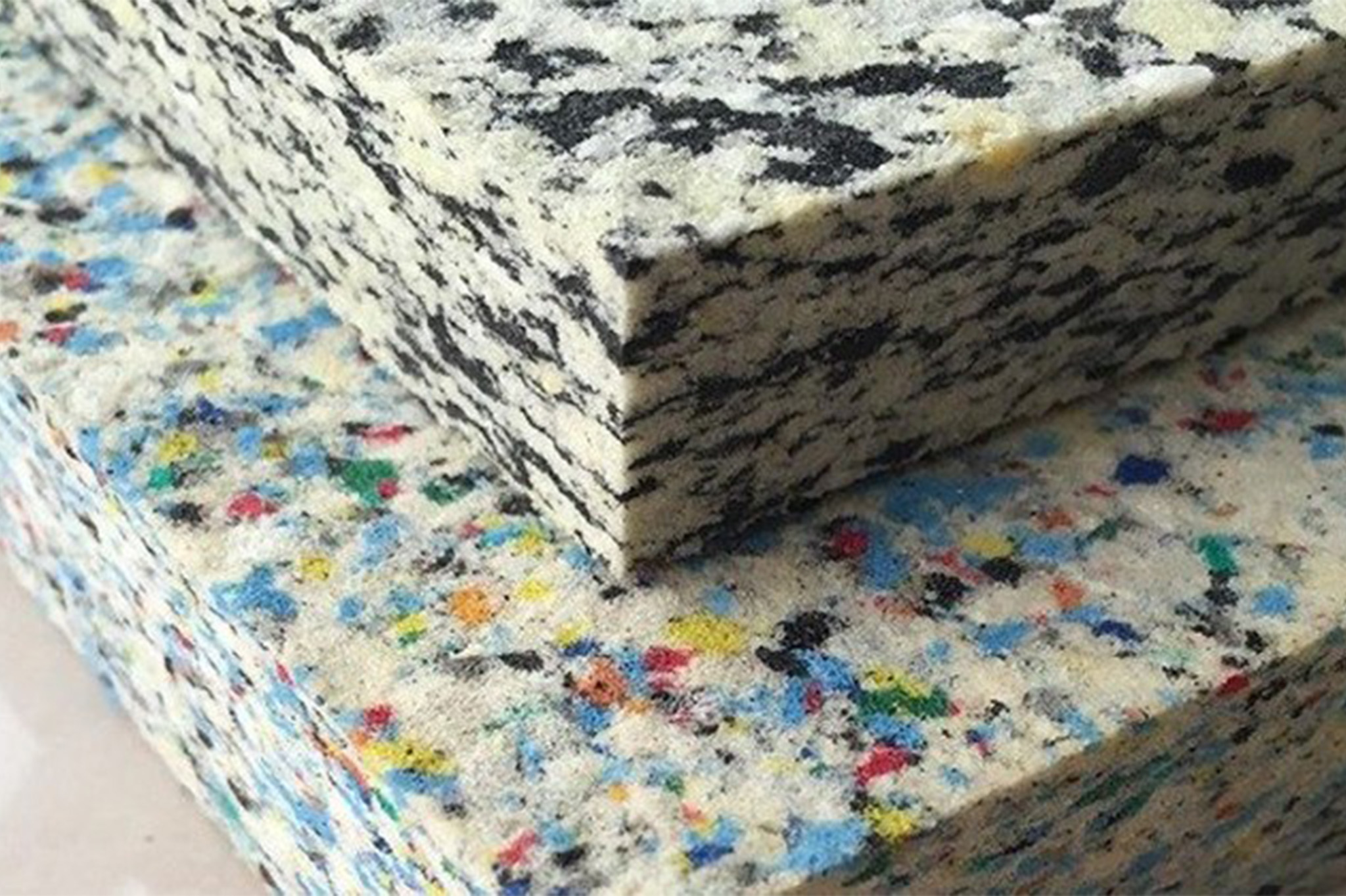
Plama-pur d.o.o. has developed a closed-loop recycling system that transforms foam production waste into rebonded products, marketed under the “Eco Foam” line, which are used in applications like gym mats, carpet underlays, and sound insulation. By combining mechanical recycling of nearly 100% of its production scrap with innovative raw materials such as Covestro’s CO₂-based polyols, the company reduces landfill waste and lowers reliance on fossil-based inputs. This integrated approach strengthens both environmental performance and material efficiency across its product portfolio.


Description

Plama-pur d.o.o. has developed a closed-loop recycling system that transforms foam production waste into rebonded products, marketed under the “Eco Foam” line, which are used in applications like gym mats, carpet underlays, and sound insulation. By combining mechanical recycling of nearly 100% of its production scrap with innovative raw materials such as Covestro’s CO₂-based polyols, the company reduces landfill waste and lowers reliance on fossil-based inputs. This integrated approach strengthens both environmental performance and material efficiency across its product portfolio.
Environmental Perspective

lama-pur’s mechanical recycling model addresses multiple sustainability objectives: Waste Reduction: Nearly 100% of production scrap is now reused internally, significantly reducing landfill disposal. This translates into thousands of cubic meters of foam annually diverted from waste streams. Material Efficiency: Recycling foam waste cuts down on the need for virgin polyols and isocyanates—key raw materials derived from fossil fuels—helping preserve non-renewable resources. Carbon and Emissions Impact: Reduced reliance on virgin materials and minimized transport for disposal lower CO₂ emissions. The use of CO₂-based polyols further sequesters carbon into the foam products. Landfill and Pollution Prevention: Polyurethane foam is non-biodegradable and problematic in landfills. Mechanical recycling prevents environmental leakage and methane generation from anaerobic decomposition.

Economic Perspective

The solution presents a viable circular business model that brings both economic and strategic advantages: Cost Savings: Avoiding waste disposal fees and landfill costs directly improves the bottom line. Material cost savings are also achieved by reducing raw material consumption. Revenue from New Product Lines: The Eco Foam range provides a new income stream and caters to growing markets like green building materials, sports, and furniture. Market Differentiation: Offering recycled-content foam allows Plama-pur to position itself as a sustainable supplier. This meets increasing customer demand for ESG-compliant materials. Capital Investment & Return: Though initial investment was needed for shredders and rebonding equipment, the scale of Plama-pur’s operations and the local/regional demand for rebonded foam helped de-risk the business case.

  • Date
  • Client
  • Category
  • Share