
Closed-Loop Brass Recycling System
Waste Type:
Main Circluar Economy Strategy:
KEYWORDS
Summary
Kolektor ATP d.o.o. has introduced a dual-stream recycling system that recovers both thermoplastic and copper production waste through a mix of in-house regrinding and partnerships with specialized recyclers. This approach enables nearly complete reuse of materials, reducing demand for virgin plastics and ensuring efficient copper recovery. Complemented by efforts in design for disassembly, the company strengthens its circular economy practices while maintaining high quality standards in the automotive sector.
Description
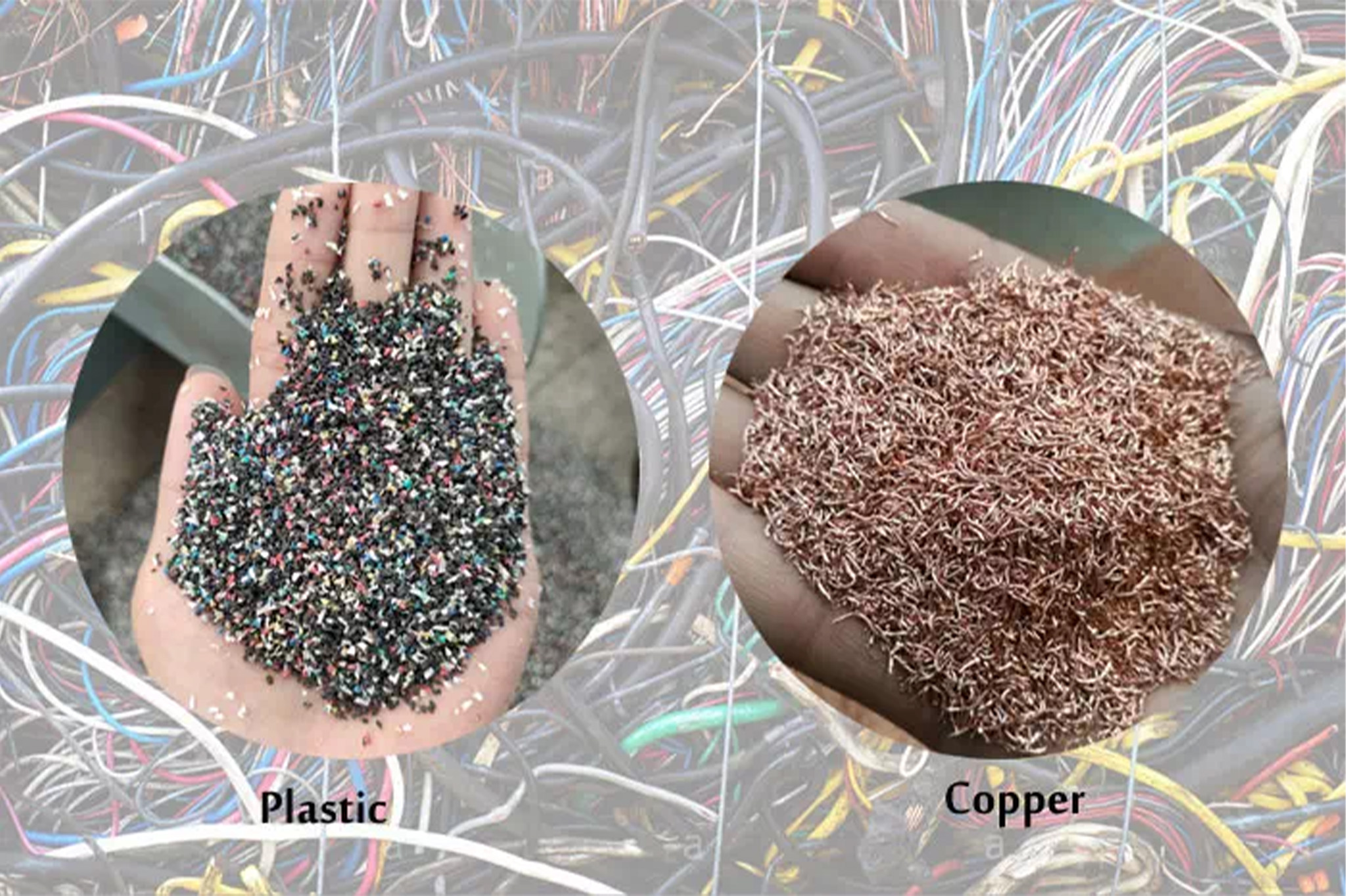
Kolektor ATP d.o.o., located in Postojna, Slovenia, is a subsidiary of the Kolektor Group—a major Slovenian industrial conglomerate. Specializing in the development and production of thermoplastic-based components for the automotive industry, the company manufactures parts that often combine polymers with metal elements such as copper. Operating in a high-volume, quality-sensitive market, Kolektor ATP places a strong emphasis on sustainability, resource efficiency, and compliance with the Kolektor Group’s broader commitment to circular economy practices. Kolektor ATP has implemented a dual-stream recycling strategy focused on two primary waste categories: thermoplastics (such as PA66, PP, PBT) and copper. The solution combines in-house material recovery with external partnerships to ensure nearly complete reuse or recycling of all production waste: Internal Plastic Regrinding: Plastic sprues, off-cuts, and rejected molded parts are reground on-site and reintroduced into the manufacturing cycle. This is particularly effective for parts that do not require 100% virgin resin, enabling Kolektor to reduce the demand for new plastic input while maintaining quality. External Plastic Recycling: For thermoplastic waste that cannot be reused internally—due to quality requirements in the automotive sector—the company partners with specialized recyclers. These external processors handle sorting, cleaning, and granulating the material into high-quality secondary raw materials. Copper Recovery: Copper waste, including wire trimmings and stamping scrap, is collected, sorted, and sent to certified metal recyclers. The company ensures clean material separation and storage to preserve the high market value of copper and facilitate its efficient remelting and reuse in industrial supply chains. Design for Disassembly (D4D): Although secondary to the primary recycling efforts, Kolektor ATP is also working toward making products easier to disassemble at end-of-life. Components are increasingly being designed to allow easier material separation, facilitating future recycling efforts.
Environmental Perspective
Kolektor ATP’s circular practices have a direct and measurable environmental impact: Reduction of Virgin Material Demand: By integrating internally reground thermoplastics into production, Kolektor ATP decreases reliance on virgin petrochemical-based plastics. This reduces the environmental burden associated with the extraction, refining, and polymerization of fossil resources. Fewer virgin inputs mean lower embodied carbon in final products. Energy and Emissions Reduction through Copper Recycling: Copper production from primary ore is extremely energy-intensive. By recycling copper from stamping and machining operations, Kolektor ATP contributes to significant energy savings—up to 85% per kilogram of copper reused. This also leads to substantial reductions in CO₂ emissions and mitigates the broader environmental degradation caused by mining. Avoidance of Landfilling and Incineration: Thermoplastics and metal scraps that would otherwise be sent to landfills or waste-to-energy plants are now either reused on-site or externally recycled. This not only reduces the volume of industrial waste but also prevents long-term environmental contamination and emissions from decomposition or combustion processes. Enabling Local Circular Resource Cycles: The company’s waste segregation and recycling enable high-purity material loops that support the circular economy regionally. The recovered thermoplastics and copper either re-enter Kolektor’s own processes or are used by nearby manufacturers, closing the loop on material use and fostering resource security within the European industrial ecosystem.
Economic Perspective
The recycling measures also deliver strong financial and strategic advantages for Kolektor ATP: Cost Savings from Internal Material Reuse: Reintroducing plastic regrind into the production process reduces the need to purchase virgin engineering polymers, which are typically costly and subject to volatile market pricing. Even a 10–20% substitution with regrind across high-volume parts can yield significant cost savings over time. Revenue Generation through Copper Scrap Sales: Copper, due to its market value, becomes a secondary revenue stream when properly segregated and sold to certified recyclers. This not only offsets disposal costs but can also generate reliable income from what was once considered production waste. Improved Supply Chain Positioning and Contract Retention: As automotive OEMs demand stricter sustainability compliance from their suppliers, Kolektor ATP’s high recycling rates and documented material reuse place it in a strong position for contract acquisition and renewal. Meeting customer ESG (Environmental, Social, and Governance) criteria can be decisive in competitive tenders. Lower Operational Waste Handling Costs: By minimizing the volume of waste requiring external disposal—especially hazardous or non-recyclable waste—Kolektor ATP reduces its operating costs. Proper segregation and in-house reuse are more economical than relying solely on third-party waste processors. Enhanced Corporate Image and Innovation Potential: Circular economy practices are not only economically rational but also enhance brand reputation. Kolektor ATP’s visible commitment to sustainability helps attract business from environmentally conscious clients and positions the company as a frontrunner in industrial innovation. It also opens opportunities for collaborative R&D, public funding, or EU-supported pilot programs related to circular materials management.