Industrial-Scale Polyethylene and Polypropylene Waste-to-Granulate Conversion
Waste Type:
Main Circluar Economy Strategy:
KEYWORDS
Summary
Omaplast d.o.o. diverts around 20,000 tonnes of plastic waste annually from landfill or incineration, preventing an estimated 50,000 tonnes of CO₂ emissions and saving over 30,000 MWh of energy each year. Its zero-waste mechanical recycling model turns low-value scrap into high-quality granulates, 95% of which are exported across Europe, positioning Slovenia as a regional hub for circular materials. By supplying stable, cost-efficient feedstock to industries such as automotive and construction, Omaplast supports recycled content targets, reduces pollution risks, and fuels a profitable circular economy business model.
Description
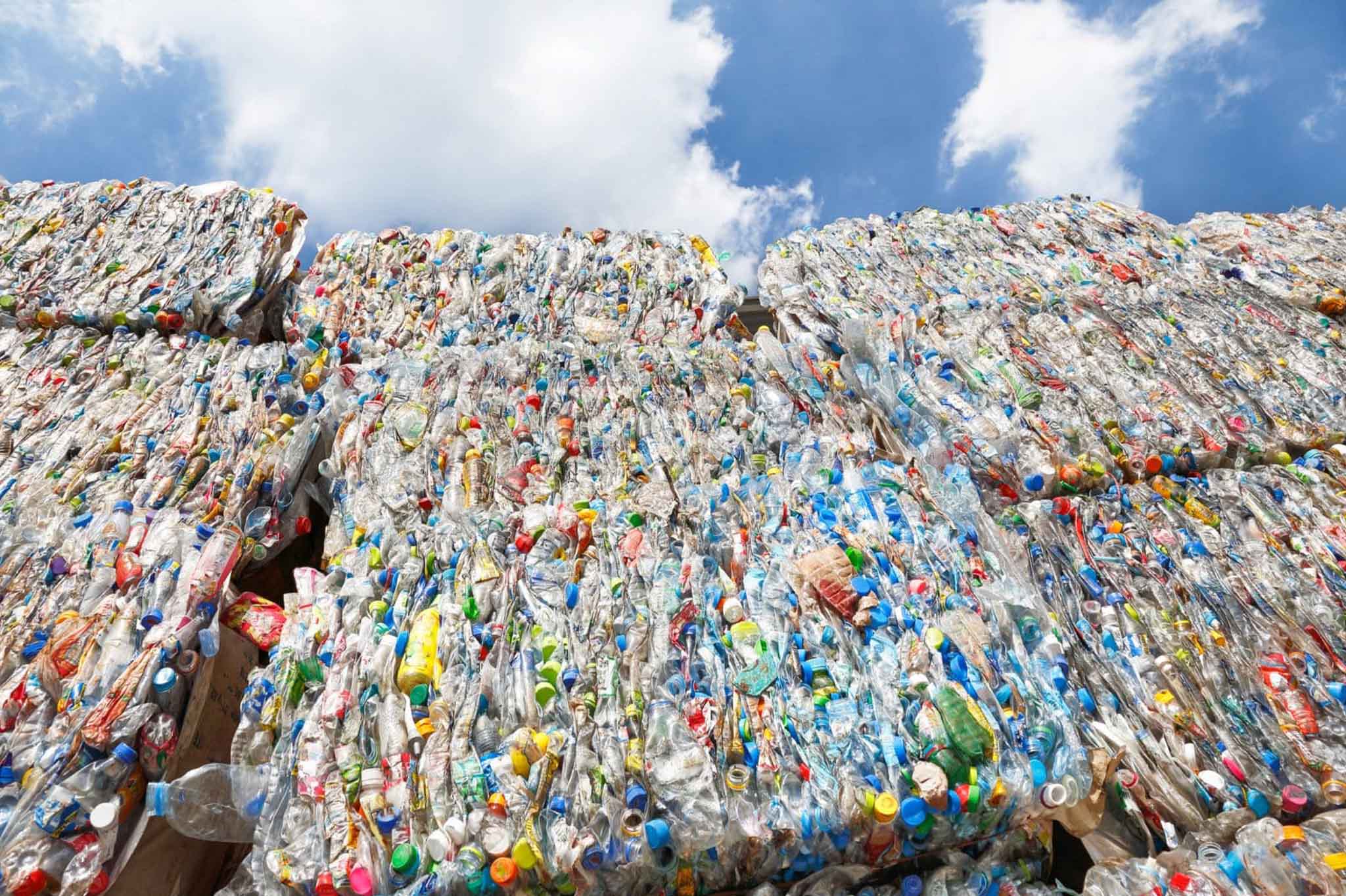
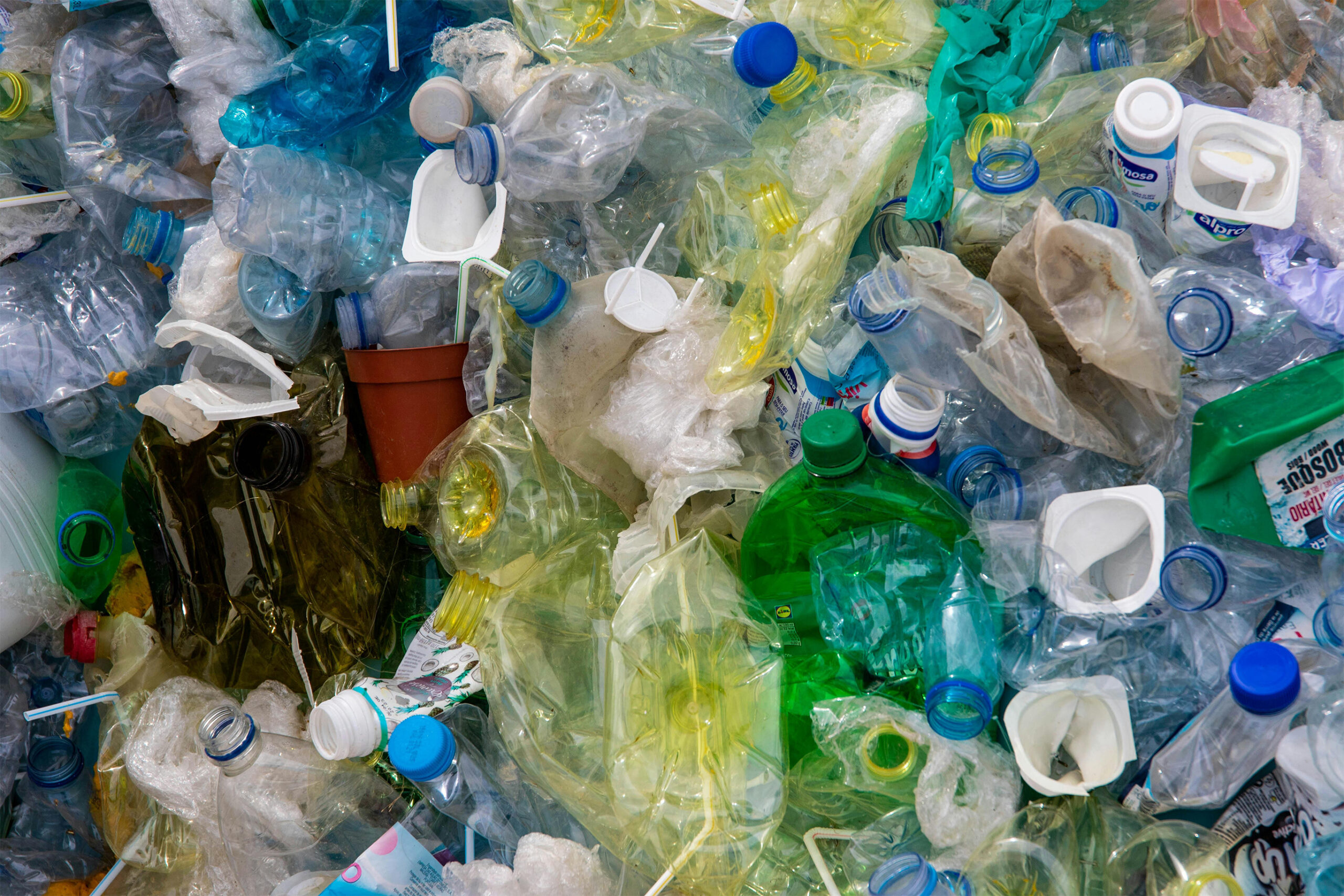
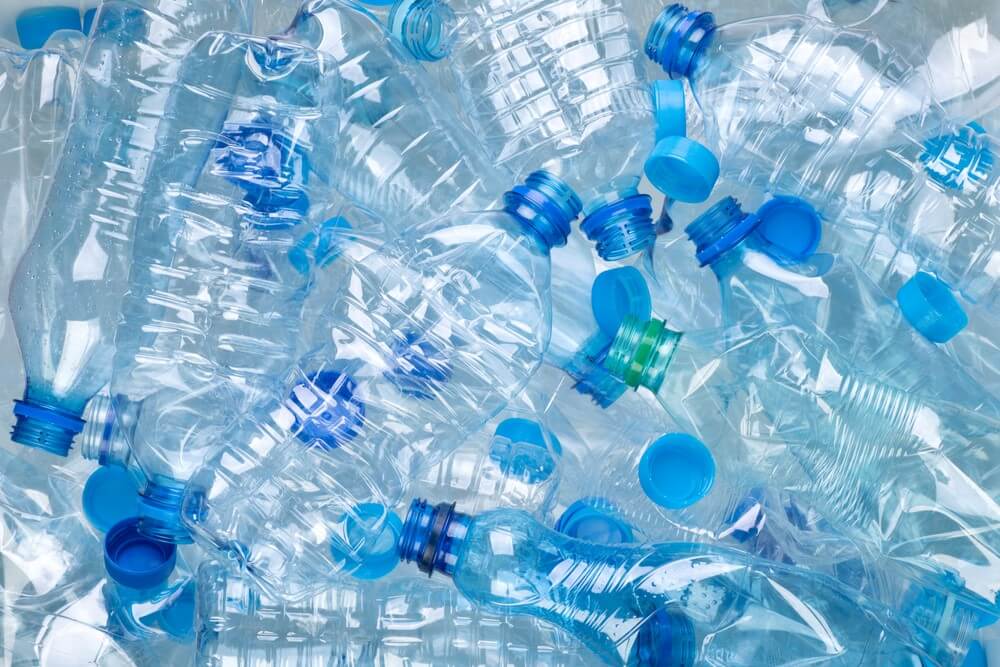
Omaplast d.o.o., headquartered in Grosuplje, Slovenia, is a leading SME specializing in the mechanical recycling of LDPE and HDPE plastics. Founded in 1981 and grown from a small workshop to a large-scale industrial recycler, Omaplast operates two facilities covering 60,000 m² and processes around 60 tonnes of plastic waste per day. It transforms post-consumer plastic waste into high-quality granulates that are reused across industries—from garbage bags to agricultural films and piping. Key elements of the solution include: High-Throughput Recycling: Annually recycles ~20,000 tonnes of plastic waste, mainly polyethylene and polypropylene films and rigid packaging. Full-Circle Waste Processing: Operates a zero-waste model where all incoming material—including contaminated and labeled plastics—is fully processed into usable outputs or safe residues. Mechanical Recycling Line: Includes sorting, grinding, friction-washing, and extrusion into clean recycled granules. Consistent Product Quality: Delivers secondary raw materials with high homogeneity and purity standards to meet diverse manufacturing needs across Europe. Closed-Loop Supply: Supplies recycled granules for circular manufacturing in sectors like automotive, construction, packaging, and consumer goods. Omaplast represents the backbone of Slovenia’s circular plastics economy, enabling other industrial actors to switch from virgin to recycled content.

Environmental Perspective
Plastic Waste Avoidance: Diverts 20,000 tonnes of plastic per year from landfill or incineration, reducing persistent pollution and volume burden on waste systems. CO₂ Emission Reduction: By replacing virgin plastic, Omaplast’s operations prevent approximately 50,000 tonnes of CO₂ emissions annually (based on 2.5 t CO₂ per tonne of virgin plastic). Energy Savings: Recycled plastic production consumes significantly less energy than virgin plastic—estimated 30,000+ MWh saved each year. Secondary Pollution Elimination: All residues (labels, dirt, water) are treated or reused, ensuring no downstream contamination or waste leakage. Support for Circular Downstream Applications: Enables product manufacturers to meet recycled content targets and reduce environmental footprints.
Economic Perspective
Revenue from Circular Materials: Converts low-value plastic scrap into high-demand, high-margin recycled granulate, fueling a multi-million-euro export business. Export Dominance: Sells 95% of its recycled output across Europe, positioning Slovenia as a regional circular materials hub. Municipal & Industrial Service Role: Offers a reliable outlet for local plastic waste, relieving waste handlers of disposal burdens and providing circular compliance. Stable Feedstock Provider: Plays a vital upstream role in the circular supply chain—companies like Adria Mobil rely on Omaplast for secondary raw materials. Cost-Efficient Process: Mechanical recycling methods provide a low-cost alternative to chemical recycling and virgin resin procurement, ensuring profitability.