Digital Sequencing and Process Control System
Waste Type:
Main Circular Economy Strategy:
KEYWORDS
Summary
Jung GmbH digitized production control—sequencing orders by wire diameter, adding real-time sensor feedback, and integrating an MES—to cut setups, scrap, and downtime. Results: 23.5 t/year less steel waste, ~49,200 kWh saved, ~120 t CO₂ avoided, and ~€173k annual cost savings with higher throughput and quality.
Description:
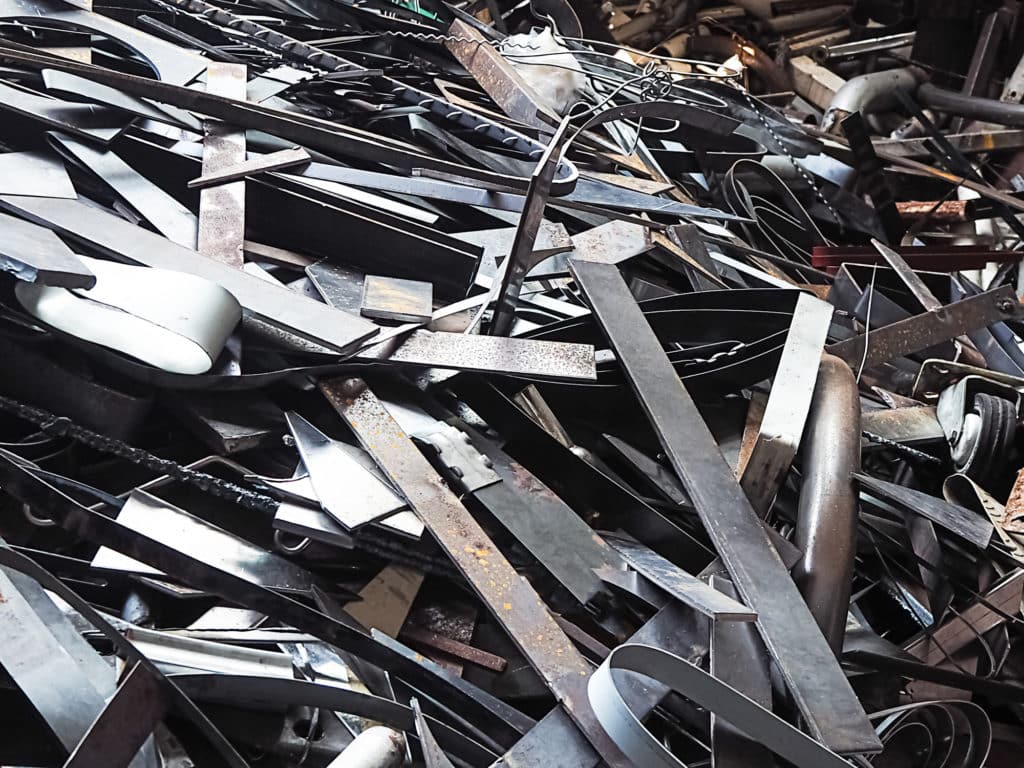
Jung GmbH & Co. KG is a metalworking firm based in Halver-Carthausen, Germany, specializing in precision springs, stamped, and bent metal parts. Annually, the company processes around 365 tons of spring steel into various product forms. Due to diverse product dimensions and frequent machine setups required by different wire diameters, Jung historically faced significant production inefficiencies, excessive material waste, and increased energy usage. To tackle material waste and production inefficiencies, Jung implemented an integrated digital production scheduling and real-time process monitoring system, guided by lean principles and Industry 4.0 technologies: Optimized Production Scheduling Orders are now sequenced digitally by technical criteria—primarily grouped by similar wire diameters—to minimize frequent machine adjustments and reduce scrap from machine restarts. Software-driven sequencing ensures that products requiring the same machine settings are processed consecutively, significantly decreasing downtime and setup scrap. Real-Time Digital Feedback Loop Production machines are equipped with sensors that capture real-time data on production progress, machine performance, and scrap generation. Data collected on the shop floor feeds directly into production planning software, enabling dynamic scheduling adjustments and rapid response to production deviations. Integration of Manufacturing Execution Systems (MES) The MES software tracks order statuses, material usage, and production efficiency transparently across departments. Barcode tracking or digital tagging systems ensure accurate identification and status updates of each order. This combination of digital sequencing, sensor-based feedback, and MES integration creates a holistic, real-time production control environment, significantly reducing waste and inefficiencies.

Environmental Perspective
Jung’s digital optimization of production scheduling and resource management brings substantial environmental benefits: Material Waste Reduction: Annual scrap metal waste reduced by 23.5 tons due to fewer setups and less trial production waste, significantly increasing raw material utilization efficiency. Energy Efficiency and Emission Reduction Achieved an annual energy saving of approximately 49,200 kWh, primarily by reducing machine idle time and startup energy demand. Directly linked to an estimated reduction of 120 tons of CO₂ emissions per year, considering the avoided steel production and lower energy consumption. Tool and Machine Longevity: Less frequent adjustments and stable production runs extend the operational life of machine tools and tooling components, indirectly reducing resource consumption for replacements. Enhanced Process Stability: Fewer production errors and improved quality control lead to decreased overall waste generation, further minimizing environmental impact. This integrated approach demonstrates significant improvements in resource efficiency, energy savings, and a tangible reduction in the company’s carbon footprint.
Economic Perspective
Jung’s digital production system offers substantial economic advantages, with documented annual savings estimated around €173,000. The economic benefits are derived from several sources: Material Cost Savings: Savings from 23.5 tons less steel purchased annually due to minimized scrap, significantly reducing direct raw material expenditures and associated handling costs. Energy Cost Reduction: Annual energy savings of 49,200 kWh translates directly into reduced electricity expenses, positively impacting operational costs. Increased Productivity and Output: Optimal sequencing and minimized downtime improve overall machine availability and throughput, allowing Jung to handle increased orders without additional capital expenditure. Quality Improvement and Reduced Rework Costs: Enhanced monitoring significantly lowers instances of overproduction and rejects, saving labor, material, and rework expenses. Reduced Inventory and Capital Efficiency: Improved scheduling and reduced scrap lead to better inventory management, lowering the capital tied up in safety stocks. Compliance and Market Competitiveness: Proactive adoption of efficient, digitally-controlled manufacturing processes positions Jung favorably for future regulations, market competitiveness, and client retention. These cumulative financial benefits underline the clear business case for digital process optimization and resource efficiency.