Advanced Battery Recycling & Metal Separation
Waste Type:
Main Circular Economy Strategy:
KEYWORDS
Summary
Relux added precision mechanical separation (with TOMRA tech) to recover fine metals directly from battery black mass, yielding ~1,200 t/year of iron, copper, and other non-ferrous metals and shrinking black mass by ~20%. The €2.2 m upgrade cuts energy use and ~4,000 t CO₂e/year, boosting revenue and regulatory compliance.
Description:
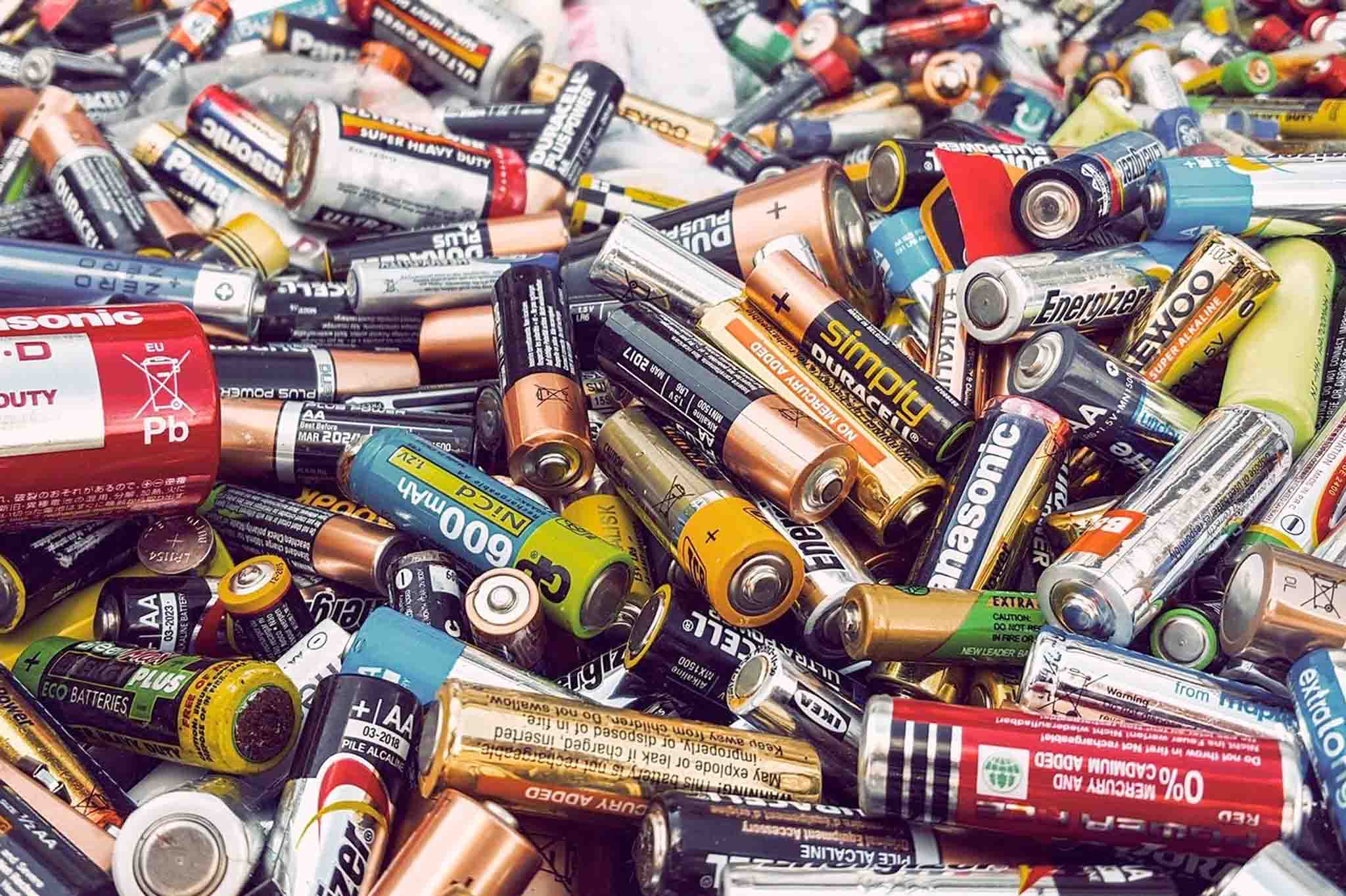
Relux Rohstoffe GmbH & Co. KG is a family-owned recycling company based in Bad Oeynhausen, Germany. Founded in 2009 and employing around 75 people, the company evolved from the Kottmeyer forwarding business (established in 1951) into a highly specialized player in the recycling of batteries and secondary raw materials. Relux positions itself at the intersection of waste treatment and material supply, working to "close the loop" for valuable metals that would otherwise be lost through inefficient recovery or disposal. Its main area of expertise lies in the treatment of household battery waste. Relux has implemented an innovative process improvement to address one of the key technical bottlenecks in battery recycling: incomplete recovery of metal content from black mass—the fine, mixed residue left after shredding batteries. To overcome this, the company modernized its recycling line by introducing precision mechanical separation systems capable of isolating small metal particles such as: Iron and steel fractions Copper wires and granules Zinc and other non-ferrous metals The new system includes advanced sorting technologies—likely a combination of magnetic separation, eddy current systems, density sorting, and vibration screening—tailored to process fine, heterogeneous materials. These technologies were deployed in partnership with leading suppliers like TOMRA, allowing for more efficient separation before metallurgical treatment. Key innovation: shifting recovery upstream from high-energy smelting to more energy-efficient mechanical separation. As a result, significantly more material is recovered in its metallic form, suitable for reintroduction into steel, copper, or zinc supply chains—without the need for additional smelting, which is energy- and emission-intensive.

Environmental Perspective
The environmental benefits of Relux’s upgraded battery recycling process are substantial: Higher Material Recovery: ~480 tons of iron ~480 tons of copper ~240 tons of other non-ferrous metals are recovered annually—previously lost in black mass or recovered only partially via inefficient smelting. Avoided Emissions: Estimated avoidance of ~4,000 tons of CO₂ equivalents per year by reducing the need for energy-intensive metal production from virgin sources or high-temperature recycling processes. Reduced Black Mass Volume: The improved process reduces the volume of black mass by ~20%, decreasing hazardous waste and simplifying downstream treatment or disposal. Reduced Environmental Risks: Less black mass means lower risks of soil and water contamination and reduced need for hazardous material handling. Cleaner Operations: Enhanced emission and dust control systems improve air quality and reduce fugitive emissions from the plant.
Economic Perspective
While direct financial figures are not fully disclosed, several clear economic benefits can be identified: Increased Revenue: Recovering ~1,200 tons of marketable metals annually (especially high-value copper and iron) adds significant revenue from secondary raw material sales. Operational Efficiency: Improved separation increases yield per ton of battery waste processed—maximizing output without proportionally increasing input or costs. Lower Disposal and Treatment Costs: With 20% less black mass to handle, Relux saves on hazardous waste disposal and potentially on third-party smelting fees. Regulatory Advantage and Market Differentiation: By exceeding recovery targets, Relux is better positioned for compliance with EU battery recycling regulations and can attract environmentally conscious clients or public contracts. Investment ROI: The €2.2 million investment (partly co-funded by North Rhine-Westphalia) allows Relux to scale, improve profitability, and strengthen its competitive position in a growing recycling market. Risk Mitigation and Stability: Improved emissions control and compliance systems reduce the risk of regulatory penalties, operational disruptions, and reputational harm.