Valve Take-Back and Refurbishment Program
Waste Type:
Main Circular Economy Strategy:
KEYWORDS
Summary
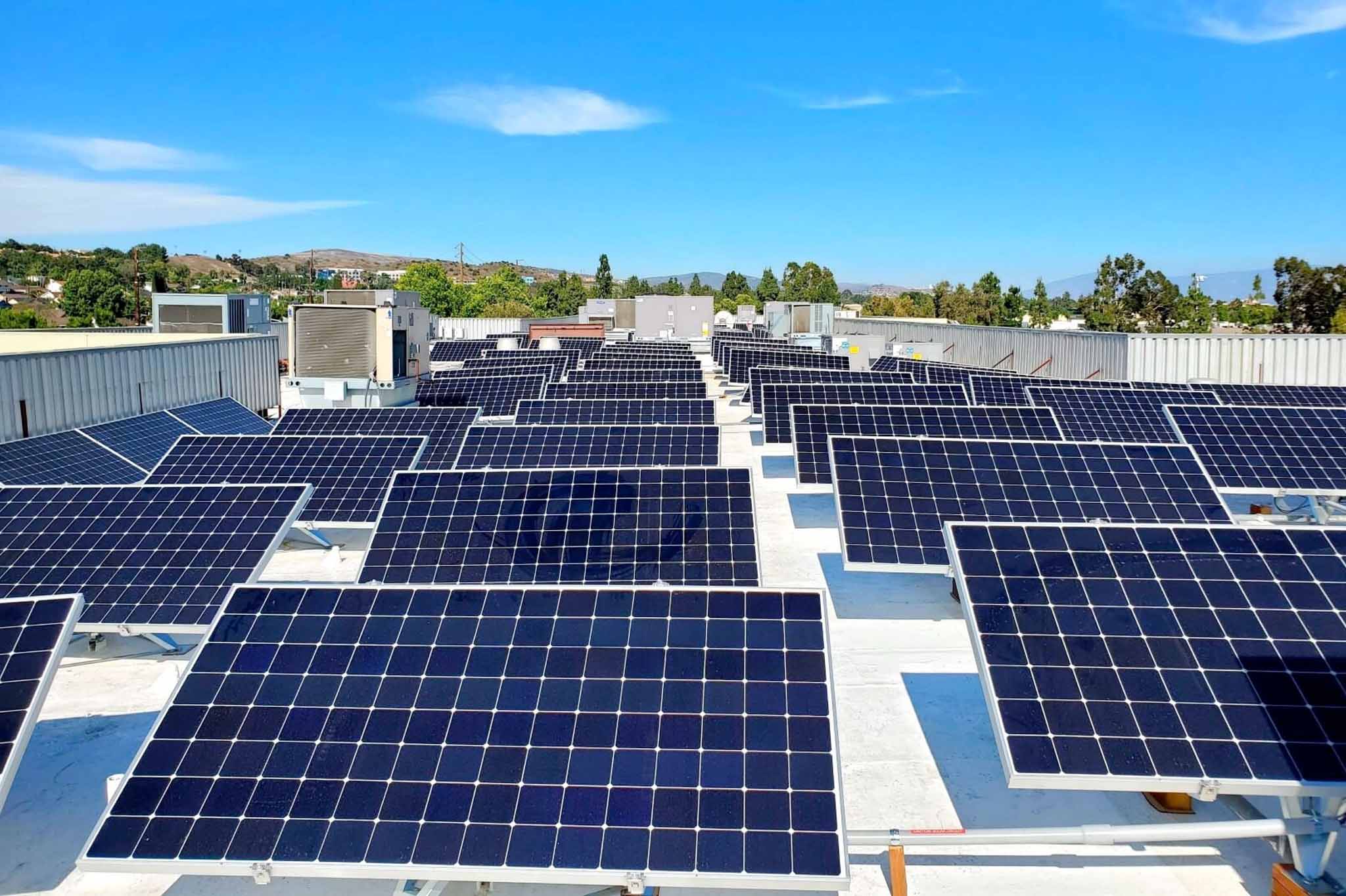
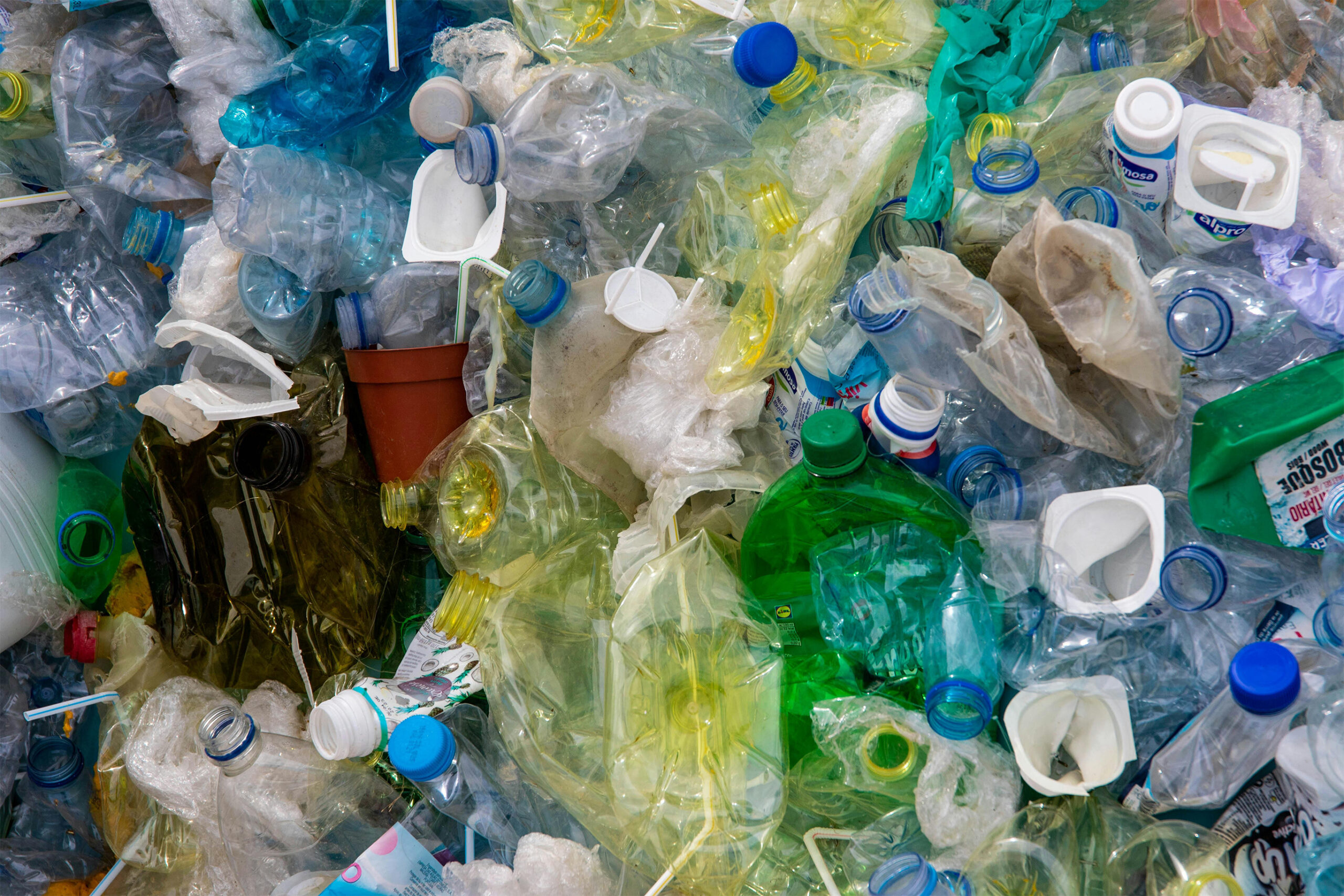
S.I.C.O.I. S.r.l., an Italian SME in the construction materials sector, has embraced a circular economy strategy centered on eliminating single-use plastics, digitalizing operations, and generating renewable energy on-site. The company introduced a “Plastic-Free” program by replacing disposable items with reusable alternatives, shifted administrative processes to digital formats to reduce paper consumption, and installed rooftop solar panels to cover a significant share of its energy needs.
Description:
S.I.C.O.I. S.r.l., an Italian SME in the construction materials sector, implemented a multifaceted resource-efficiency strategy starting in 2021 as part of its formal shift toward circular economy practices. This transition focused on three key areas: eliminating single-use plastics from operations, reducing paper consumption through digital transformation, and generating clean energy via rooftop solar panels. These actions were guided by an internal material and energy flow analysis outlined in the company’s Sustainability Report, supported by active stakeholder and employee engagement. The “Plastic-Free” program replaced disposable bottles and cups with reusable alternatives for staff, immediately cutting avoidable plastic waste. Simultaneously, the company shifted to digital documentation—such as e-payslips and digitized internal processes—leading to a sharp decline in office paper usage. To further reduce its environmental footprint, S.I.C.O.I. installed photovoltaic panels on its facility, supplying a significant portion of its energy demand from renewable sources. This holistic strategy was not driven solely by compliance but by a broader ambition to embed sustainability into the company's culture and daily practices.

Environmental Perspective
The environmental gains from S.I.C.O.I.’s transition are quantifiable and significant: Plastic Waste Reduction: The internal elimination of disposable plastics led to a 234 kg reduction in plastic bottle usage between 2019 and 2020. This figure illustrates how minor operational changes can add up to major sustainability outcomes. Paper Consumption: Through digitalization, the company reduced its office paper purchases by 5% in 2019–2020 and an additional 8.5% the following year. These savings reflect improved efficiency and the decoupling of administrative processes from material use. Energy Transition: By 2021, the rooftop solar installation supplied 40% of the company’s total energy consumption, cutting both carbon emissions and electricity bills.
Economic Perspective
In addition to the direct environmental benefits, the circular actions translated into financial and reputational advantages. Reduced waste generation helped minimize disposal fees, while on-site energy generation mitigated rising utility costs. Importantly, these efforts enhanced internal morale and external brand perception. The company reports increased enthusiasm among younger employees, who view sustainability as a marker of modern, responsible business.