In-House Plastic Recycling and Secondary Raw Material Production
Waste Type:
Main Circular Economy Strategy:
KEYWORDS
Summary
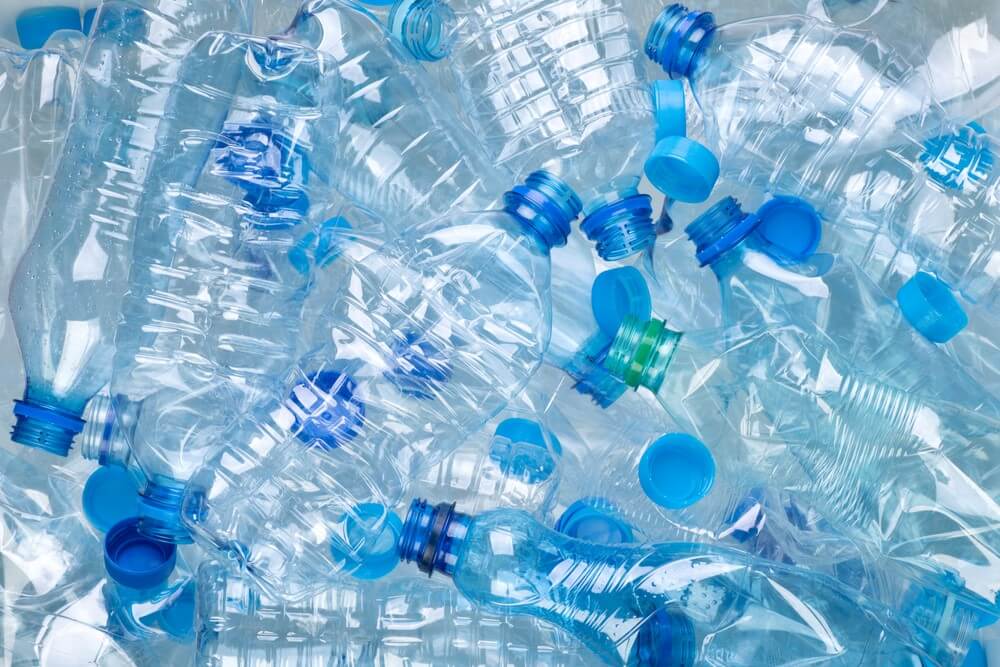
Termpolast Ltd. recycles secondary materials and waste from different sources to recycle as primary material or produce new products from recycled materials.
Description:
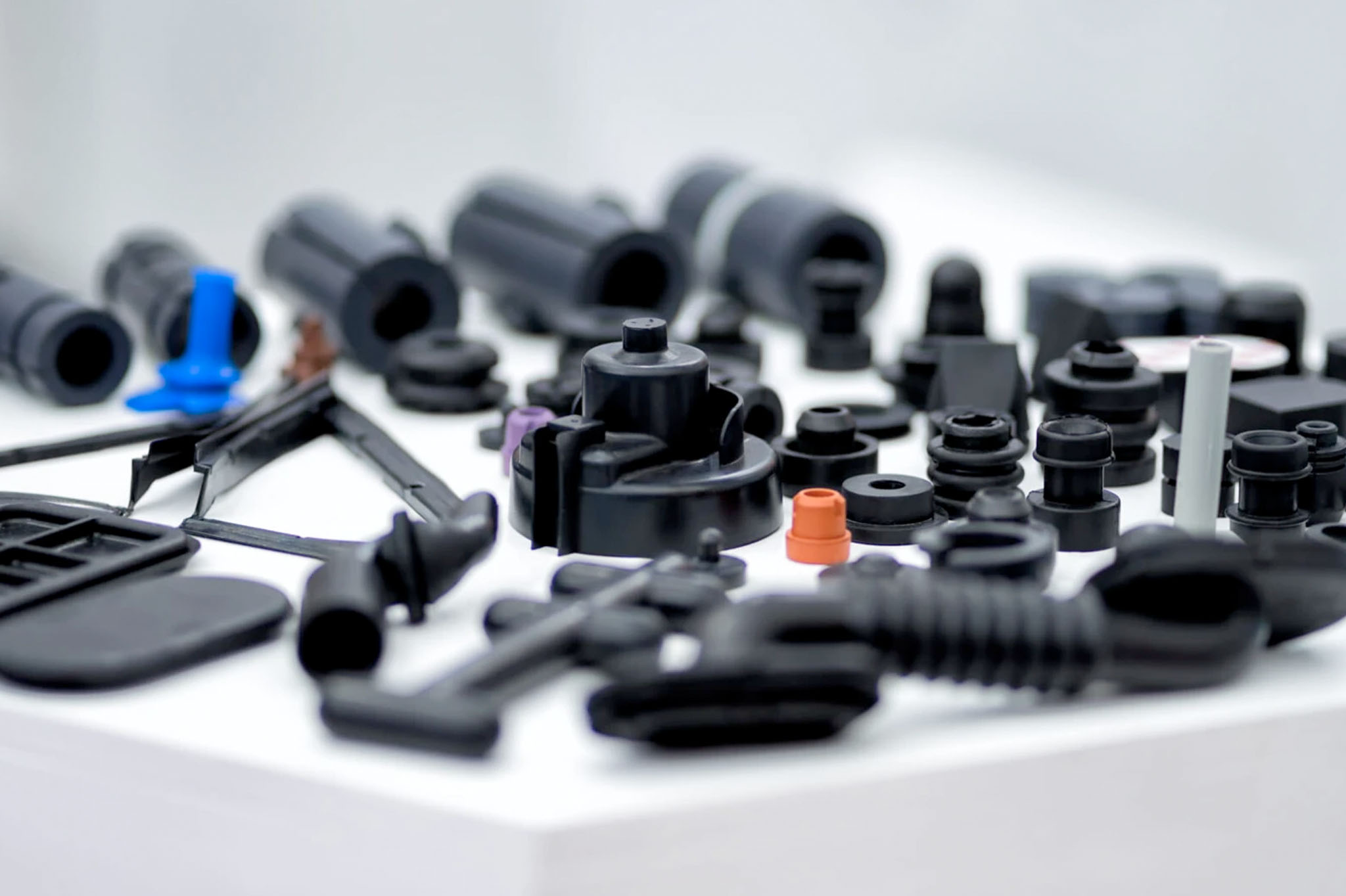
Termoplast Kft, based in Pécs, Hungary, is a family-owned plastic processing SME with over 40 years of experience. The company specializes in injection molding and assembly of thermoplastic components, supplying various technical industries across Europe. Uniquely, Termoplast also operates as a recycler and trader of plastic waste. With around 50 employees, it is recognized as a regional leader in South Transdanubia, certified under ISO standards and committed to sustainability and innovation. Termoplast has implemented a comprehensive in-house recycling system that closes the loop within its own production processes and contributes to regional plastic waste valorization. Key elements of the solution include: Integrated Recycling Plant: Termoplast invested in equipment to shred, reprocess, and pelletize plastic scrap. This infrastructure enables the company to process internal production waste (sprues, offcuts, defective parts) and clean post-industrial plastic waste from external partners. Recycled Compound Production: Approximately 2,000 tons of plastic waste are transformed annually into secondary raw materials (regranulate). These are either reused in Termoplast’s own molding processes or sold to external manufacturers as input material. Application in Technical Products: Recycled granulates are used to produce high-quality molded components. Through careful material selection and quality control, Termoplast demonstrates that even technical parts can be produced with a high share of recyclate. This solution exemplifies a closed-loop circular system, reducing raw material dependency and transforming production waste into value.

Environmental Perspective
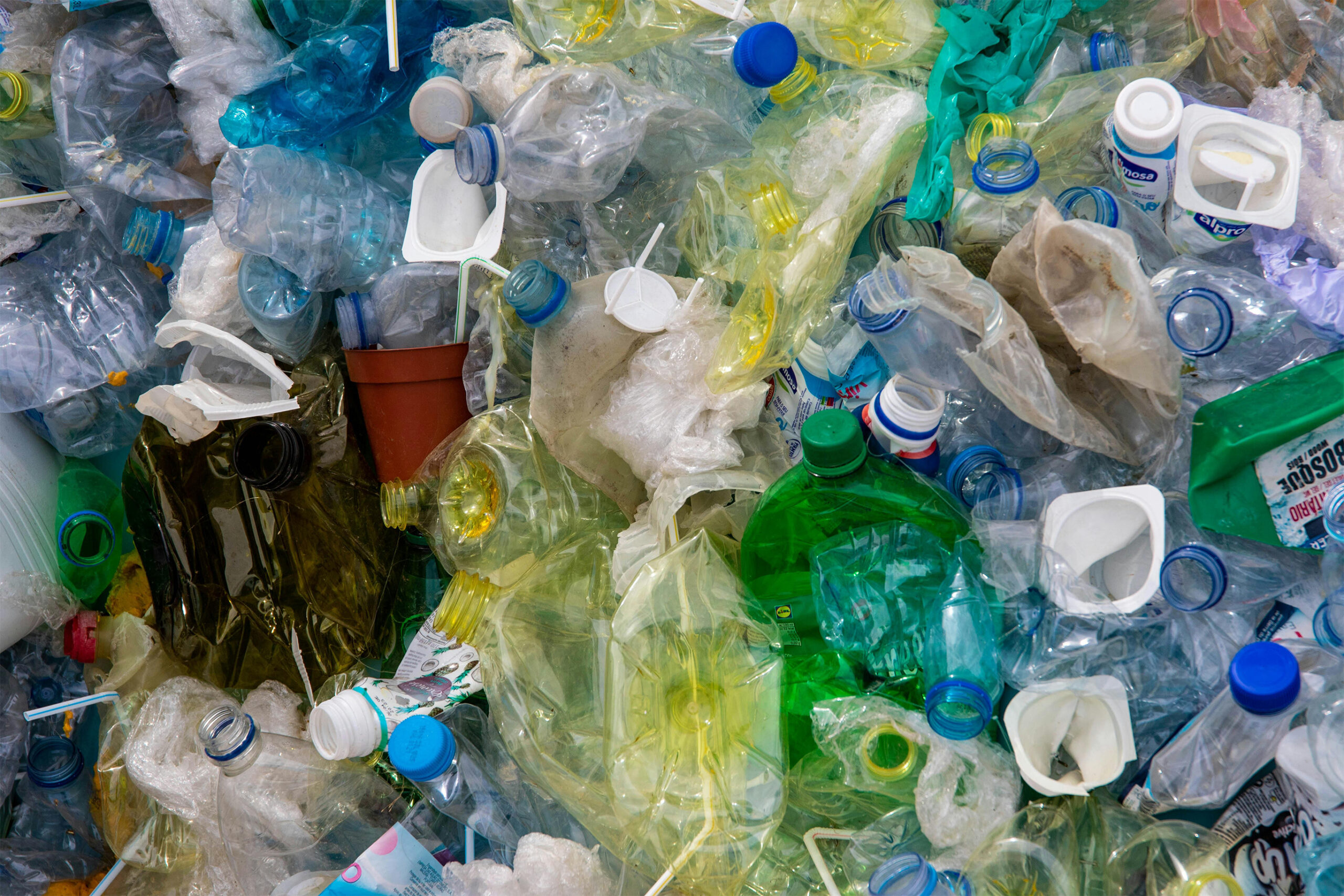
The environmental benefits of Termoplast’s approach include: Waste Reduction: 2,000 tons of plastic waste are diverted from landfilling annually, equivalent to the yearly plastic waste of a mid-sized city. Termoplast recycles nearly all its internal scrap and a significant amount of external waste. Resource and Emissions Savings: Replacing virgin polymers with recycled ones conserves fossil resources and avoids the energy and emissions associated with new plastic production. The embodied energy of 2,000 tons of plastic is considerable, and recycling cuts greenhouse gas emissions by up to 70% per ton compared to producing new resin. Pollution Avoidance: By preventing plastic waste from being incinerated or landfilled, the initiative reduces potential soil, air, and water pollution. Through its in-house processing, Termoplast sets an example for SMEs in how to manage plastic responsibly at scale.
Economic Perspective
The solution offers Termoplast direct and indirect economic benefits: Raw Material Cost Savings: Using recycled input reduces dependency on expensive virgin plastic resins, improving cost-efficiency. Revenue Generation: Surplus regranulate is sold on the market, creating a new income stream. Termoplast effectively operates both as a manufacturer and a materials supplier. Waste Disposal Cost Avoidance: By reprocessing waste internally, the company saves on waste treatment and transport fees. Resilience and Competitive Edge: Local sourcing and in-house recycling insulate the company from supply chain volatility and raw material price shocks. Termoplast also gains market advantage by offering sustainable products with documented recycled content. Overall, the integrated recycling system has strengthened Termoplast’s business model, diversified its income, and improved long-term sustainability.