Simulation-Optimized Extrusion Tools to Reduce Scrap
Waste Type:
Main Circular Economy Strategy:
KEYWORDS
Summary
M+S Silicon uses CFD simulation to optimize extrusion tool designs, eliminating trial-and-error prototyping and reducing scrap. This digital approach saves ~20 t of silicone and ~30,000 kWh annually, cuts ~126 t CO₂, and delivers ~€180k yearly cost savings with a 1–2 year payback.
Description:
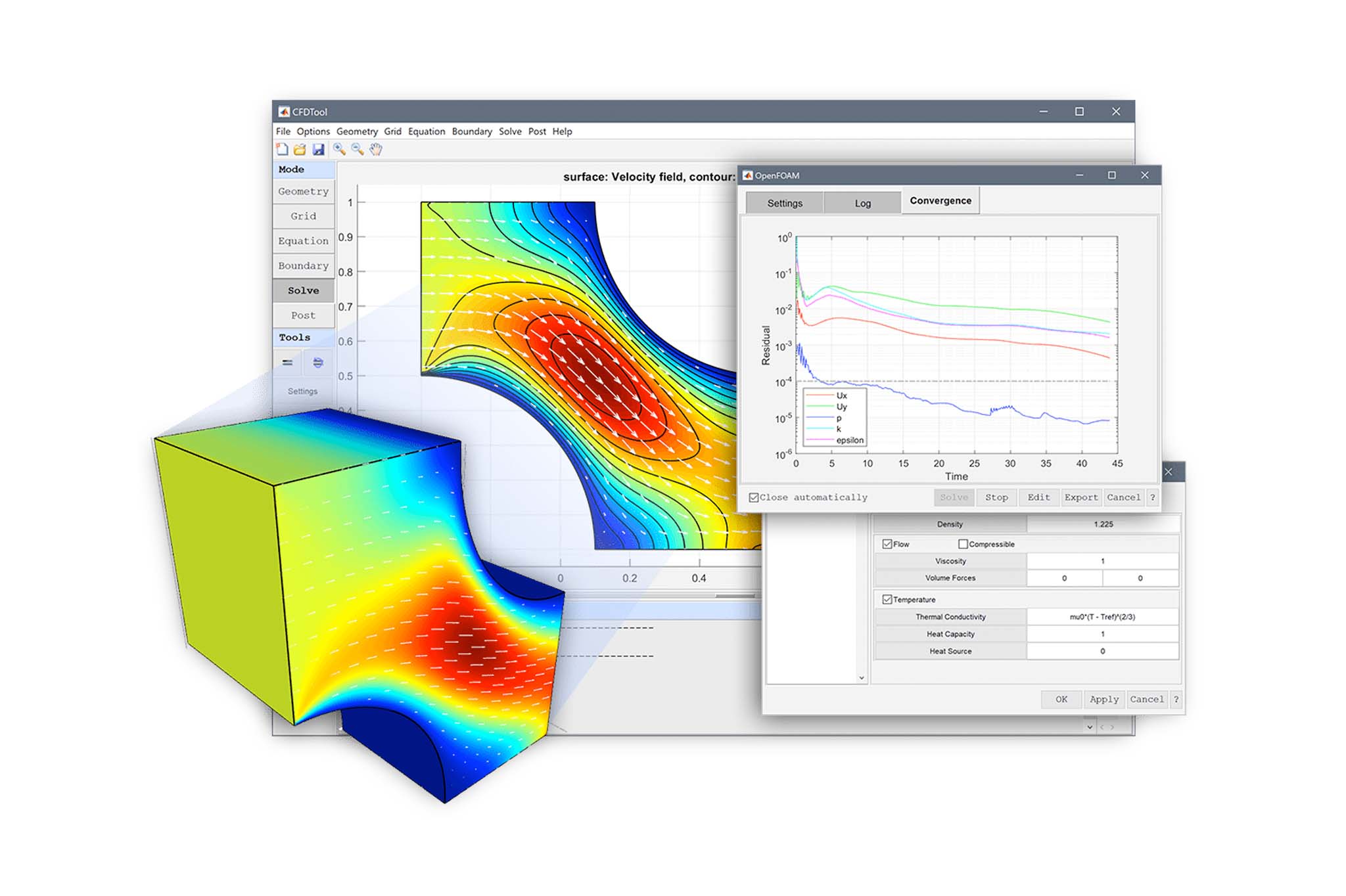
M+S Silicon GmbH & Co. KG is a medium-sized German enterprise based in Hattingen, North Rhine-Westphalia. Founded in 2001, the company employs over 150 people and specializes in extruded and molded silicone rubber components for high-specification sectors, including automotive, medical, and industrial applications. Known for precision and custom solutions, M+S Silicon embraced digitalization and circular production to reduce material waste in its manufacturing processes. M+S implemented a computational fluid dynamics (CFD) tool to optimize extrusion die designs before manufacturing: Problem: Designing new extrusion tools previously required multiple trial runs, generating large volumes of off-spec scrap silicone rubber and consuming excess energy and engineer time. Solution: Introduced CFD simulation software, allowing: Virtual tuning of tool geometry. Prediction of material flow behavior. Near “first-time-right” die production. Implementation: Invested €194,000 (including a €95,000 EU grant). Included purchase of software/hardware, training programs, and integration support from the Effizienz-Agentur NRW. Fully adopted in 2020 across extrusion lines. This Industry 4.0 approach replaced iterative physical testing with a digitally guided, waste-preventing design phase, aligning engineering precision with circular economy principles.

Environmental Perspective
The environmental benefits of simulation-driven design have been substantial: Material Savings: ~20,000 kg of silicone rubber saved per year by reducing off-spec scrap in die testing. Energy Efficiency: ~30,000 kWh of electricity saved annually, formerly used in unnecessary extrusion trials. Carbon Reduction: The company estimates an annual reduction of 126 tons of CO₂ emissions, considering both electricity usage and upstream silicone production impacts. Waste Minimization: Over 60% reduction in tool development waste, supporting the “Reduce” strategy of the circular economy. Extended Resource Efficiency: Silicone, a high-energy, petroleum-derived material, has significant upstream environmental cost. By optimizing its use, M+S mitigates broader environmental impacts across the value chain. In sum, the initiative showcases how digital design tools can prevent waste at the source, particularly in precision materials like silicone where recycling options are limited.
Economic Perspective
The project delivered strong economic returns in parallel with its environmental benefits: Material Cost Reduction: Avoided purchasing ~20 tons of silicone annually, generating significant raw material savings. Given silicone’s high cost, this equates to ~€180,000 in annual savings (internal company estimate). Labor & Time Savings: Engineers spend less time on physical iterations and more on validated digital design. Lead times for custom profiles shortened, increasing throughput and customer responsiveness. Fast ROI: Total project payback occurred in 1–2 years, indicating high return on investment. Market Differentiation: M+S markets this innovation as part of its green production capability, appealing to environmentally conscious customers. The case demonstrates how resource efficiency can translate into cost efficiency, making circular innovation a driver of both profitability and competitiveness.