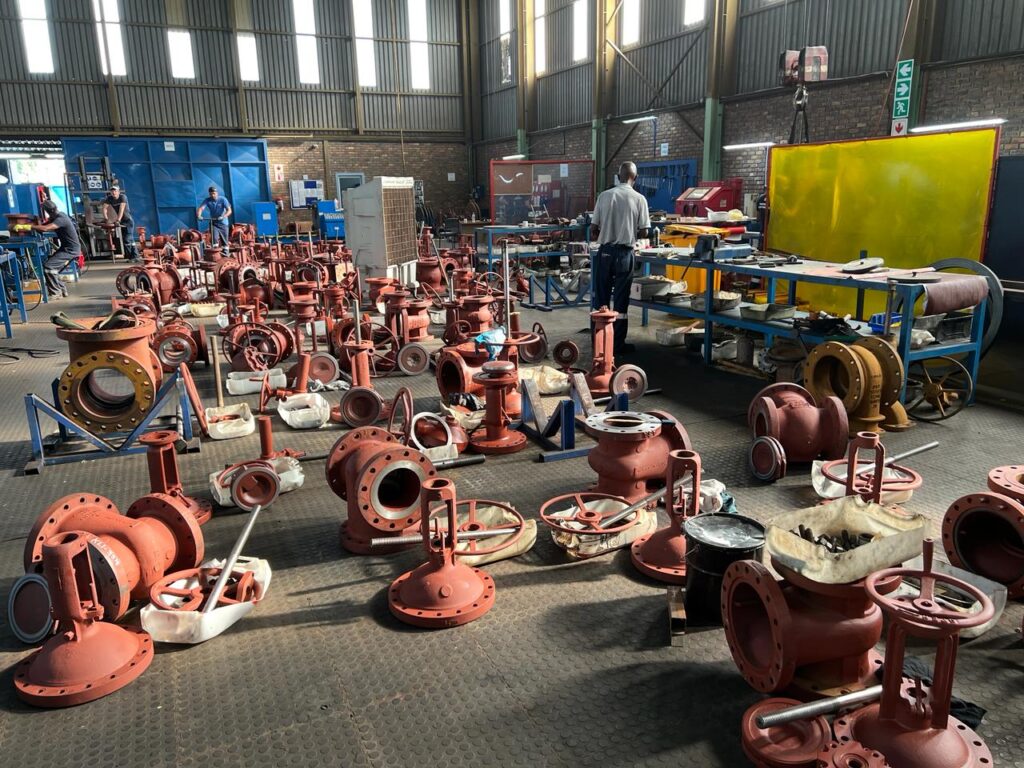
Valve Take-Back and Refurbishment Program
Waste Type:
Main Circular Economy Strategy:
KEYWORDS
Summary
Sallegger Technologies has introduced a plastic waste management system that reuses 3D printing powders, recycles clean machining scrap, and optimizes processes to reduce waste generation. This approach improves resource efficiency, cuts disposal costs, and significantly lowers the company’s plastic footprint.
Description:
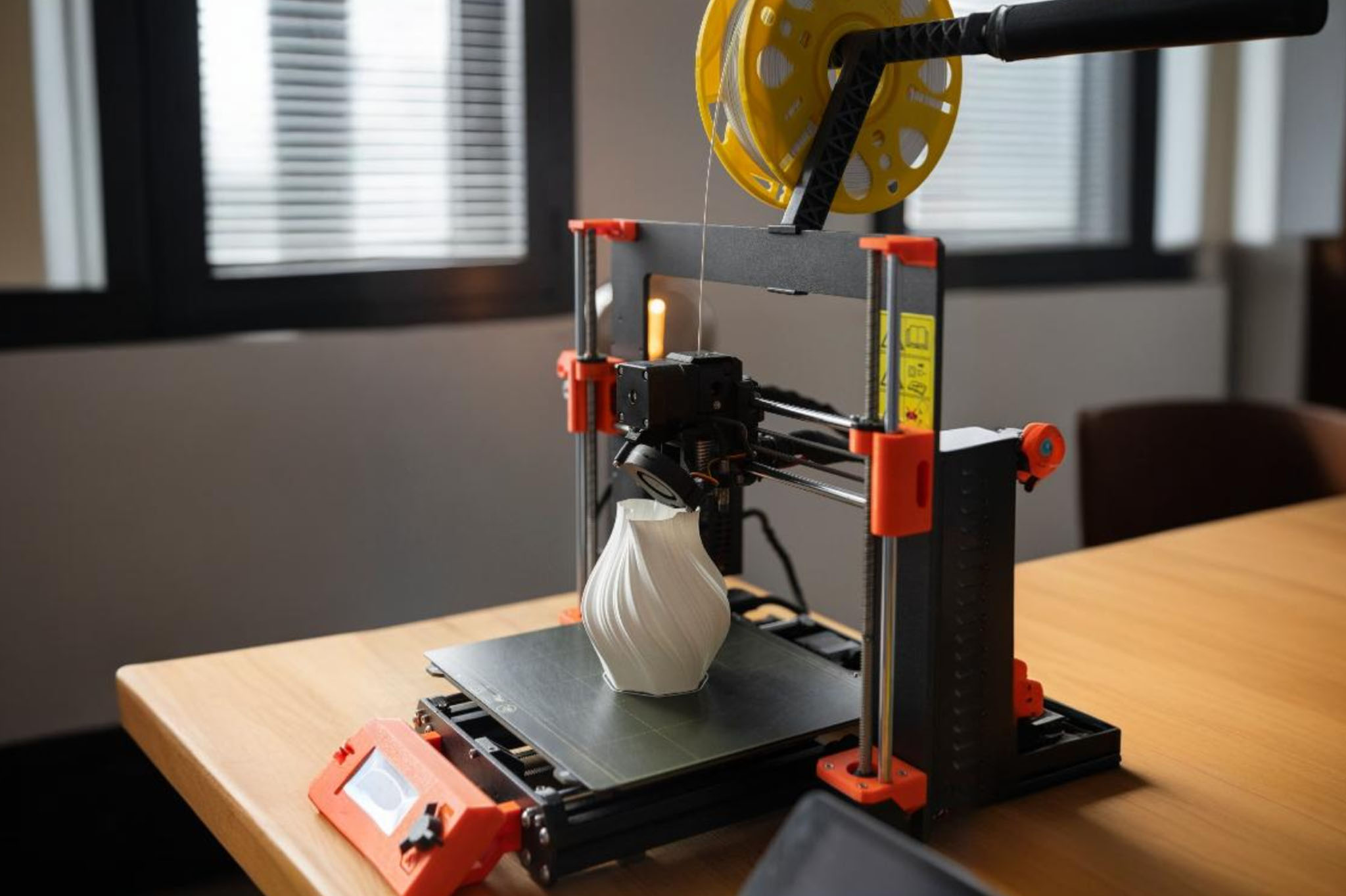
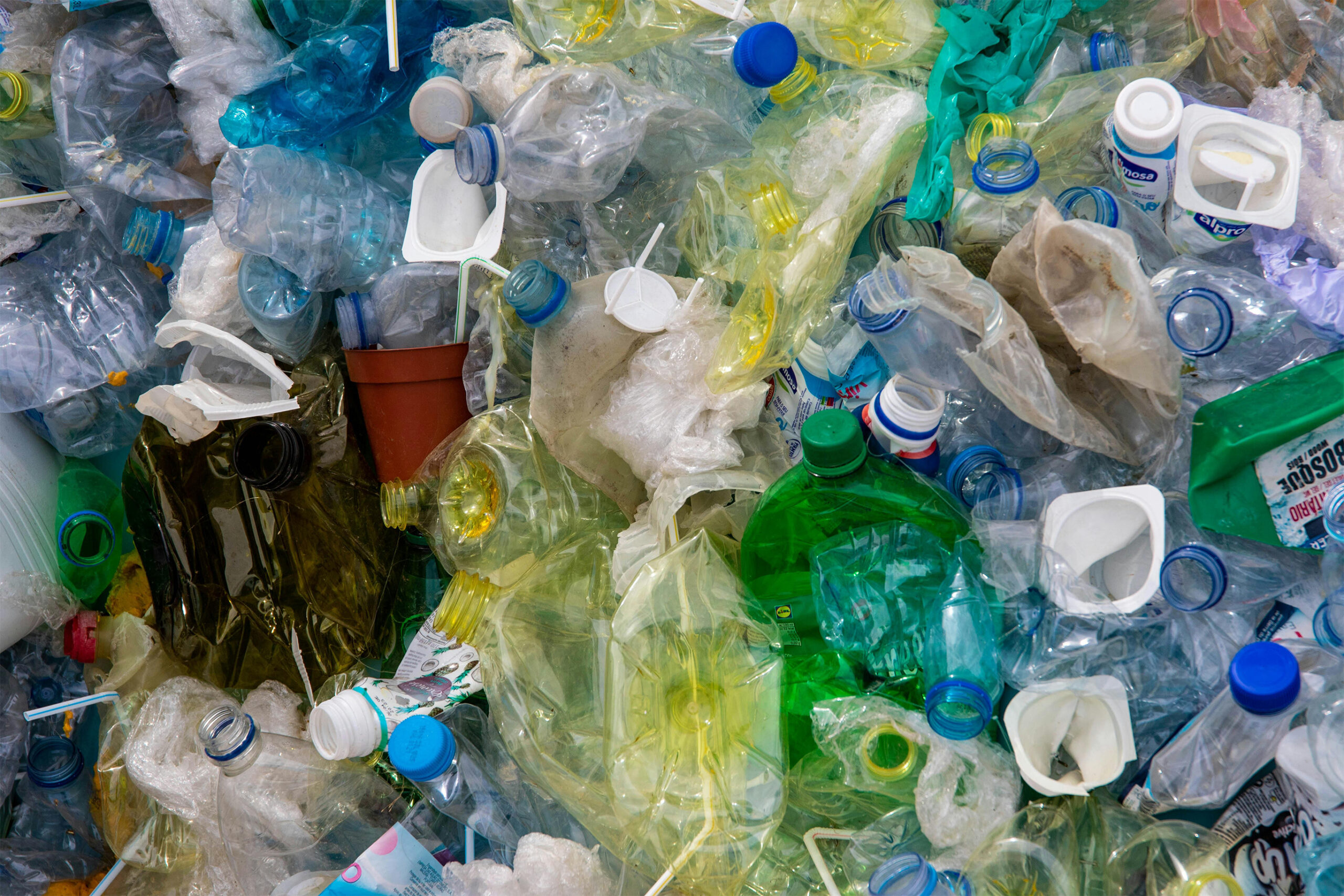
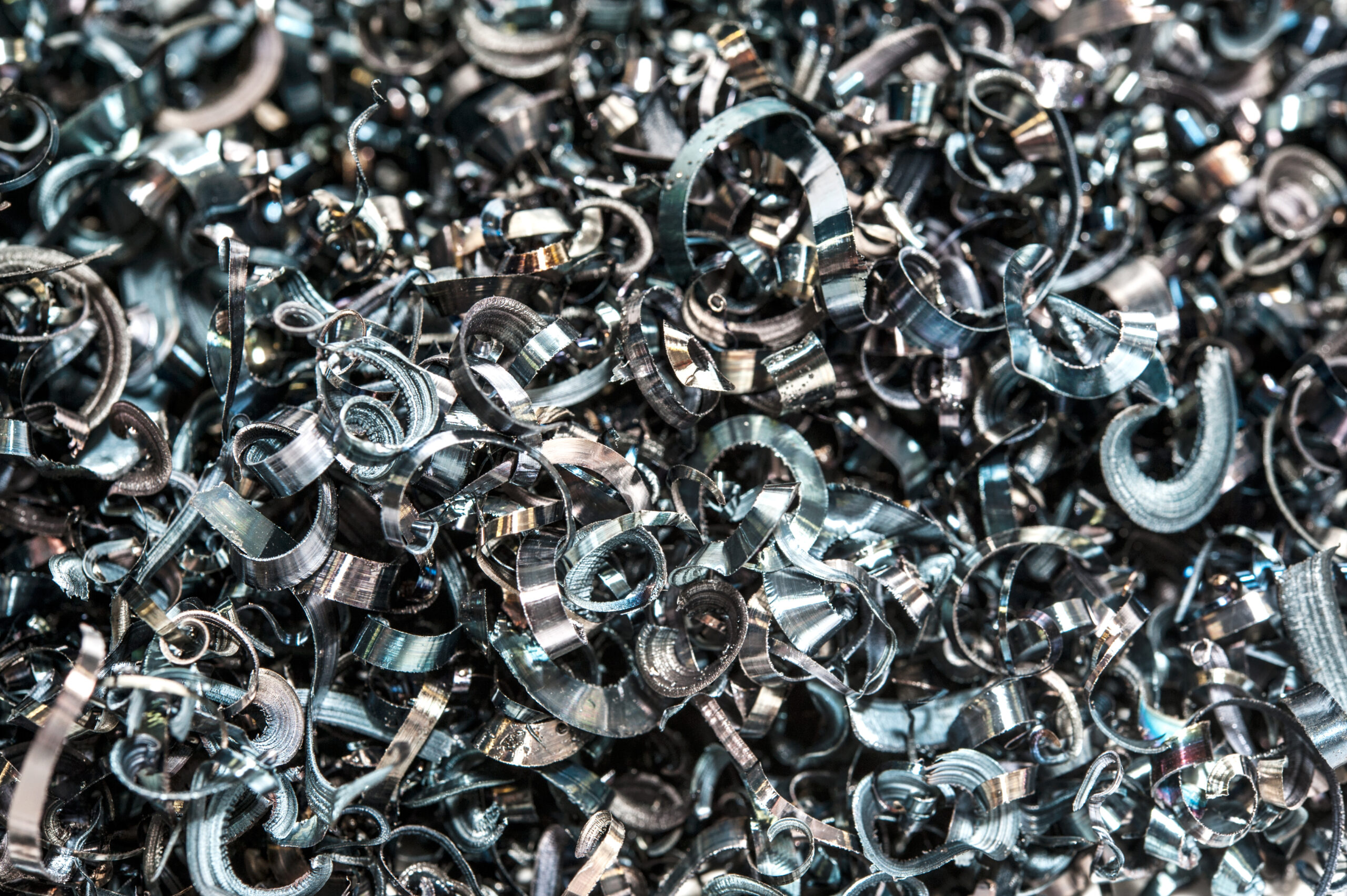
Sallegger Technologies GmbH & Co KG is an engineering and manufacturing SME based in Fürstenfeld, Styria (Austria). Established over 30 years ago, it provides custom mechanical systems, automation, and additive manufacturing services for automotive, machinery, and consumer industries. With expertise in 3D printing (HP MultiJet Fusion), machining, and prototyping, Sallegger emphasizes innovation, digitalization, and quality (ISO 9001 certified), making sustainability a core operational principle. To address rising plastic waste from machining and additive manufacturing, Sallegger implemented an integrated plastic waste management system. The solution includes: Page 96 ¡ Source Segregation of Plastic Waste: Sallegger introduced clearly labeled, type-specific containers across its facility to separately collect plastic powders (from 3D printing), clean machining shavings, and contaminated scrap. Staff training and visual cues support effective sorting. ¡ Reuse and Recycling of 3D Printing Residue: Powder-bed fusion technology generates excess plastic powder and failed prints. Sallegger reuses viable powder in future print jobs and sends non-reusable residue to external recyclers. Plastic components (often polyamide) are also reground and either reused or recycled. ¡ Clean Scrap Recovery from Machining: High-performance plastics such as PA, PTFE, and POM generate off-cuts and shavings. Sallegger separates clean chips from contaminated waste and sends them to material suppliers or local recycling partners for reprocessing into new raw material. ¡ Process Optimization for Waste Reduction: The company actively minimizes waste generation through improved print planning (minimizing support material) and optimized machining strategies. Additive manufacturing itself replaces subtractive waste in some applications. This integrated system diverts a high share of internal plastic waste from landfill and supports the principles of circular resource use.

Environmental Perspective
Sallegger’s solution has yielded strong environmental outcomes: ¡ Plastic Waste Reduction: The majority (estimated 70–80%) of plastic waste is now recycled, substantially decreasing landfill and incineration volumes. ¡ CO₂ Emissions Savings: By diverting plastic from disposal and replacing virgin resin, the program reduces indirect emissions. Recycling one kilogram of plastic avoids approximately 2 kg of CO₂ emissions. ¡ Pollution Prevention: Segregation and proper disposal prevent plastic microparticle leakage and contamination from improperly handled technical plastics. ¡ Waste Traceability and Compliance: The system supports regulatory compliance under Austria’s industrial waste management standards, promoting best practices for material separation and traceability.
Economic Perspective
The initiative contributes to Sallegger’s operational efficiency and cost control: ¡ Disposal Cost Reduction: Sorting clean vs. contaminated waste lowers disposal costs, as nonhazardous plastic waste is cheaper to handle (up to 50% less than hazardous waste disposal). ¡ Revenue from Recyclate: Clean, high-grade scrap can be sold to recyclers or accepted by suppliers for credit, turning waste into a secondary income stream. ¡ Regulatory Risk Mitigation: Sallegger is well-positioned for future environmental legislation by demonstrating a proactive waste management approach. ¡ Brand and ESG Value: Sustainable waste handling enhances the company’s reputation among environmentally conscious customers and contributes to marketing and procurement advantages. This solution required relatively low financial investment, as the company used existing infrastructure and low-cost process changes rather than major capital expenditures.