
Modular Design for Disassembly, Repair, and Recyclability
Waste Type:
Main Circular Economy Strategy:
Company:
KEYWORDS
Summary
Flender applies a modular design-for-disassembly approach in its wind turbine gearboxes, enabling easy repair, component reuse, and high-quality recycling at end-of-life. Combined with global remanufacturing centers, this strategy extends product lifespans by 20–25 years, cuts waste and emissions, and lowers lifecycle costs for customers.
Description:
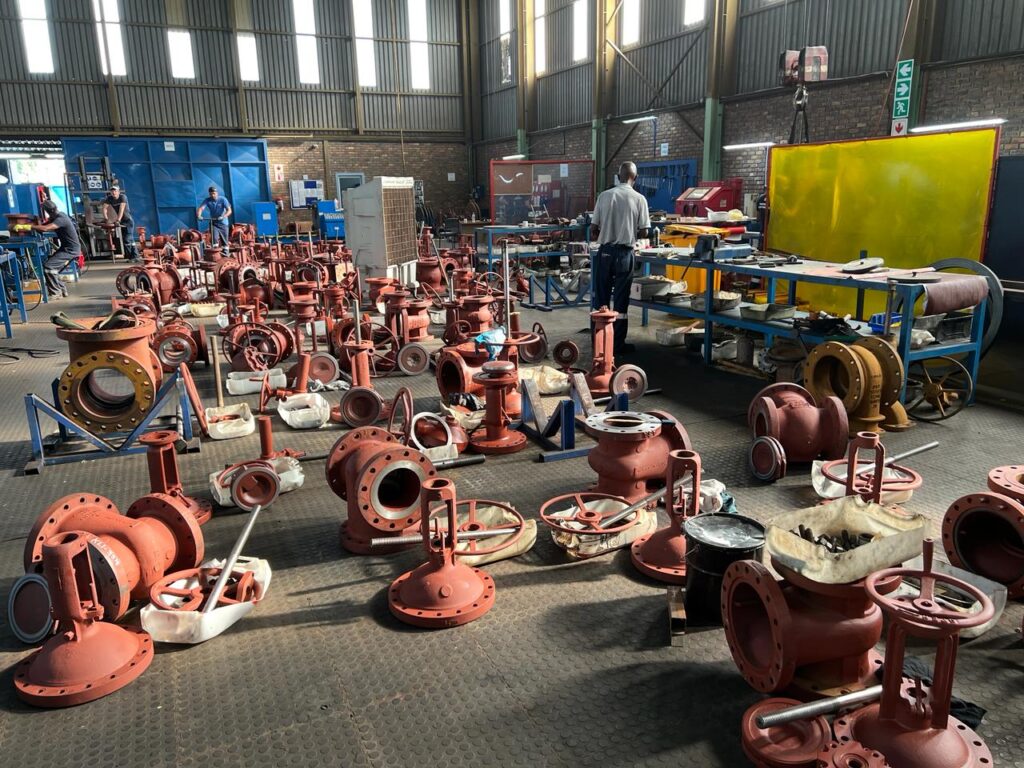
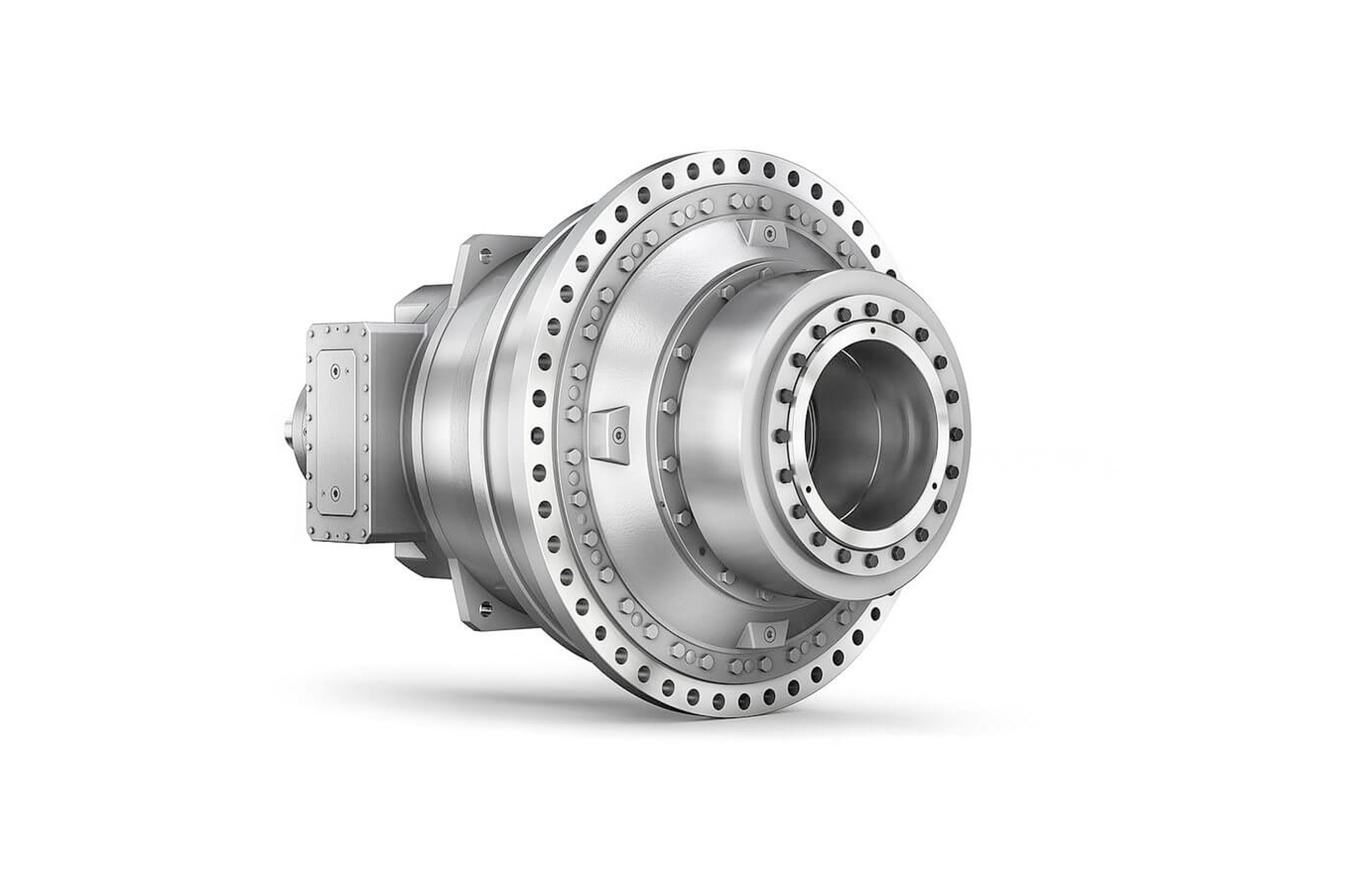
Flender GmbH is a German industrial manufacturer with a global reputation for producing high-performance mechanical drive systems. With origins dating back over a century, the company has a long-standing legacy of engineering excellence. It was formerly part of Siemens and now operates as an independent company, headquartered in Bocholt, Germany. Flender is particularly prominent in supplying gearboxes, couplings, and related components across sectors such as energy, mining, cement, marine, and notably wind energy—where it operates under the well-known Winergy brand. The company plays a critical role in the global renewable energy landscape, having delivered wind turbine gearboxes with a combined installed capacity exceeding 200 gigawatts. Flender’s strong commitment to digitalization, predictive maintenance, and lifecycle services makes it a pioneer in advanced drivetrain solutions for industrial applications. It employs thousands of staff worldwide and operates multiple manufacturing and service hubs across Europe, Asia, and the Americas. Flender has embedded circular economy principles directly into its product design and service model, especially for wind turbine gearboxes and industrial drivetrain components. The company has adopted a modular design philosophy that emphasizes easy disassembly, material separation, and reuse of components. This approach addresses both technical lifecycle extension and end-of-life recyclability, allowing Flender to reduce resource consumption and offer sustainable aftersales services. Key Technical Features Modular construction: Gearboxes are assembled from discrete modules such as planetary gear stages, high-speed shafts, and generator couplings. These modules are bolted—not welded—allowing independent removal and replacement without damaging adjacent parts. Design for Disassembly (DfD): All components are assembled using accessible fasteners and reversible joints. There is a deliberate avoidance of permanent bonding, adhesives, or encapsulated designs that would complicate later dismantling. Standardized components: The use of interchangeable modules across product lines enables easier stockkeeping, faster repairs, and the possibility of reusing components in multiple configurations or turbine models. Material purity: Flender carefully selects materials that are not only durable but also easily recyclable—such as high-grade steel, cast iron, and bronze. This supports clean material streams when components reach their end of life. This design strategy ensures that components such as gear sets, bearings, shafts, and casings can be recovered, remanufactured, or recycled with minimal waste and labor. Integration with Remanufacturing Flender has complemented its modular product line with a global remanufacturing and refurbishment program. Dedicated service centers—such as those in Germany and Australia—are equipped to fully disassemble, inspect, and rebuild turbine gearboxes weighing up to 40 tonnes. Using this capability, Flender: Extends product lifecycles by up to 20–25 years per unit Recovers components for reuse or reconditioning Offers swing units (exchange-ready refurbished gearboxes) to customers experiencing downtime This approach avoids the need to manufacture entirely new units for every replacement, significantly reducing environmental and financial costs.
Environmental Perspective
The modular and recyclable design of Flender’s gearboxes has a range of direct and indirect environmental benefits: Reduction of Material Waste: Flender’s design allows failed or worn-out modules to be replaced individually, avoiding the scrapping of entire assemblies. This minimizes metal waste at the repair stage and encourages long-term use of high-value materials. Efficient Recycling at End-of-Life: The ability to separate different materials (steel, iron, bronze, etc.) cleanly supports high-quality recycling. Since metals retain their material properties over multiple lifecycles, these recovered materials can re-enter the production loop with no loss of quality. Energy and Emissions Savings via Remanufacturing: Remanufacturing avoids the energy-intensive processes of forging, casting, and machining. Reusing large structures like housings and shafts prevents the need for new raw material extraction and reduces carbon emissions significantly. Contamination Control: Oils and greases used within the gearboxes are collected during disassembly and either reused or disposed of safely, preventing environmental contamination. The modularity also ensures minimal cross-contamination between materials during disassembly. Lifecycle Extension and Emission Amortization: The longer a gearbox is used (especially with multiple refurbishment cycles), the more the initial manufacturing emissions are “amortized” over time. Extending product lifespans reduces the total number of gearboxes that need to be produced and disposed of. Lower Environmental Liability: In the context of tightening EU environmental legislation (e.g., Extended Producer Responsibility), Flender’s recyclable design also reduces future disposal and compliance costs.
Economic Perspective
Flender’s circular economy approach not only aligns with environmental goals but also delivers strong economic returns for both the company and its customers. Reduced Downtime and Maintenance Costs: A modular gearbox design allows for faster diagnostics and quicker replacement of failed parts. This shortens turbine downtime and reduces operational losses—key advantages for wind farm operators. Lower Lifecycle Costs for Customers: Modular repairs are less expensive than full gearbox replacements. This positions Flender as a competitive service provider with value-added offerings. Revenue Diversification Through Services: Flender generates significant revenue from its aftersales services—overhauls, inspections, and upgrades. Servicing both its own and competitor gearboxes has enabled a service-centric business model that goes beyond one-time equipment sales. Material Cost Recovery at End-of-Life: High-value metals recovered from end-of-life gearboxes can be resold or reused internally, reducing raw material purchase costs and enabling scrap credit arrangements. Regulatory Risk Mitigation: With increasing regulatory pressure on product sustainability and disposal responsibility, Flender’s proactive design approach minimizes exposure to end-of-life penalties or compliance burdens.