Product-as-a-Service & Engine Remanufacturing
Waste Type:
Main Circular Economy Strategy:
Company:
KEYWORDS
Summary
Rolls-Royce Solutions Ruhstorf applies a Product-as-a-Service model combined with engine remanufacturing, extending product life up to 50 years while keeping ownership and responsibility for uptime under “Power by the Hour” contracts. This closed-loop system reduces material demand and emissions by up to 80%, saves customers costs, and generates recurring service-based revenue streams.
Description:
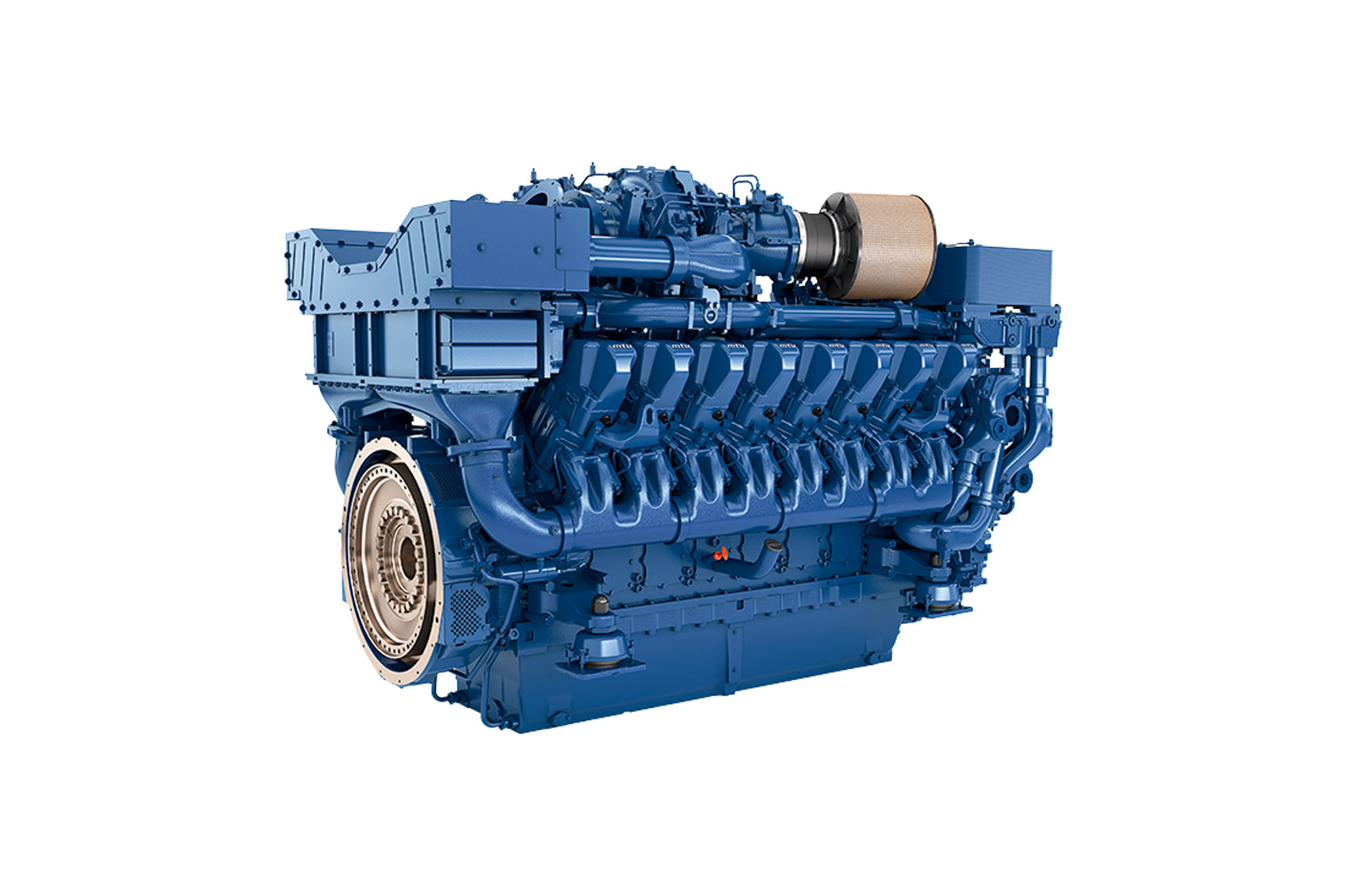
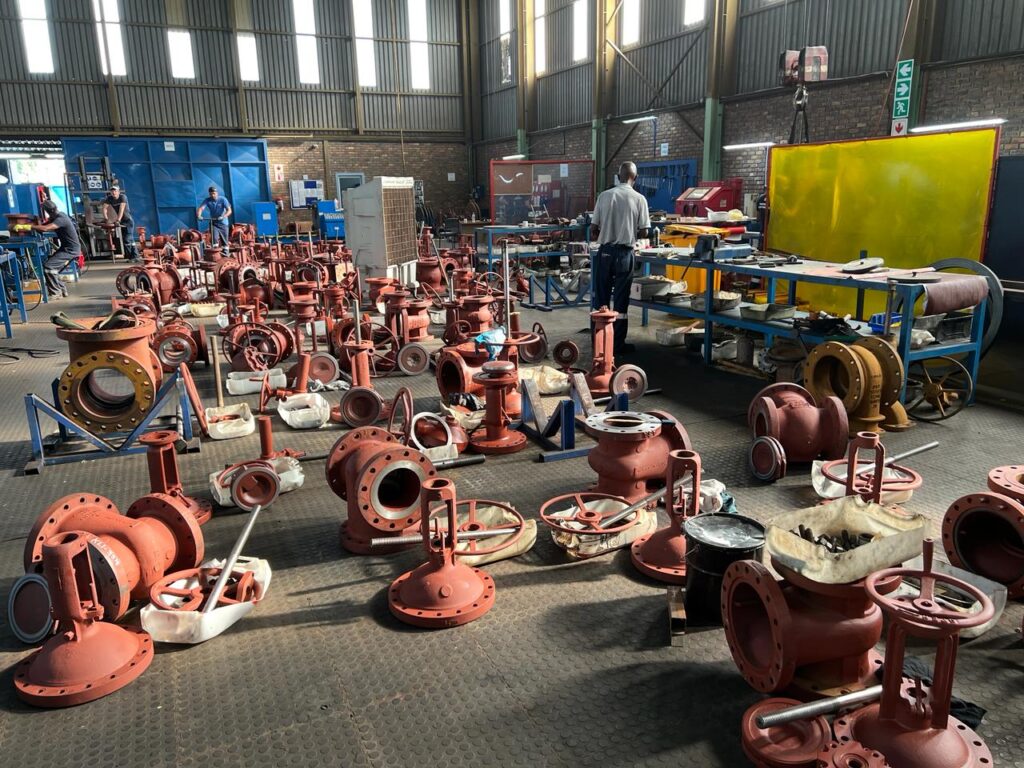
Rolls-Royce Solutions Ruhstorf GmbH, part of Rolls-Royce Power Systems (under the mtu brand), is located in Ruhstorf, Bavaria, Germany. With around 200 employees, the site supports the global production, maintenance, and servicing of large diesel and hybrid engines used in marine, rail, and power generation sectors. As part of its transition toward circularity, the company is increasingly integrating sustainability into its product and service models. Rolls-Royce has adopted a Product-as-a-Service (PaaS) approach that keeps ownership of its engines throughout their lifecycle. Instead of selling engines outright, it provides ongoing maintenance, remanufacturing, and performance-based service contracts under models such as “Power by the Hour.” Key features of the solution include: Engine Remanufacturing: After thousands of operating hours, engines are returned to Rolls-Royce facilities, such as the Magdeburg remanufacturing plant, where they are disassembled, cleaned, tested, and rebuilt to original performance standards. Many engines undergo multiple remanufacturing cycles, extending their life up to 30–50 years. Deposit and Exchange System: A refundable deposit incentivizes customers to return end-of-life engines. Customers may also swap a used engine for a remanufactured one from existing stock, minimizing downtime and facilitating rapid replacement. Performance-Based Service Contracts: Under TotalCare contracts, Rolls-Royce assumes responsibility for maintenance and uptime. Customers pay a fixed rate per operational hour, aligning incentives with durability and long-term product use rather than frequent replacement. This integrated model keeps high-value metal components (steel, aluminum alloys, etc.) in use and creates a closed-loop system built around refurbishment, reliability, and service.

Environmental Perspective
Rolls-Royce’s circular engine strategy delivers the following environmental benefits: Material and Waste Reduction: Over 1,500 engines and systems are remanufactured annually, and over 40,000 engines/components have gone through the program since inception. This significantly reduces the need for new metal production and prevents thousands of tons of scrap metal from entering the waste stream. Energy and Emissions Savings: Remanufacturing consumes up to 80% less energy and generates significantly fewer CO₂ emissions than manufacturing new engines. By avoiding raw steel production and machining, the process supports EU goals for energy efficiency and emissions reduction. Extended Product Lifespan: Some engines are kept in operation for decades, enabling multiple life cycles per product and reducing the frequency of full replacements. Rolls-Royce explicitly frames this model as “better for the environment,” reinforcing that lifecycle extension is a key sustainability lever for heavy-duty machinery.
Economic Perspective
The PaaS and remanufacturing model delivers both cost and revenue benefits: Customer Cost Savings: Customers benefit from lower total cost of ownership, credit for returned engines, and reduced downtime. Remanufactured engines are typically more affordable and faster to obtain than new ones. New Revenue Streams: Engine remanufacturing and maintenance services generate recurring income. The model shifts Rolls-Royce’s business from one-time hardware sales to long-term service contracts, improving customer retention and profitability. Supply Chain Resilience: By reducing reliance on virgin raw materials, the company insulates itself from commodity price volatility and supply disruptions. Regulatory Alignment: The solution complies with EU waste and circularity regulations by classifying returned engines as products rather than waste. This supports future-proofing against Extended Producer Responsibility (EPR) and related legislative trends. In essence, the economic model aligns financial incentives with durability, reuse, and customer satisfaction.