Outsourced Recycling and On-Site Reuse of Plastic Waste

Waste Type:
Plastic
Main Circular Economy Strategy:
Plastic - Reuse Systems & Community Recycling
KEYWORDS
Recycle, Reuse, Plastics, Resource Efficiency

Summary

The company focuses on the production of small-batch and customized plastic packaging components. It uses a combined approach of involving both internal recycling through regrinding and external recycling partnerships.

Description:

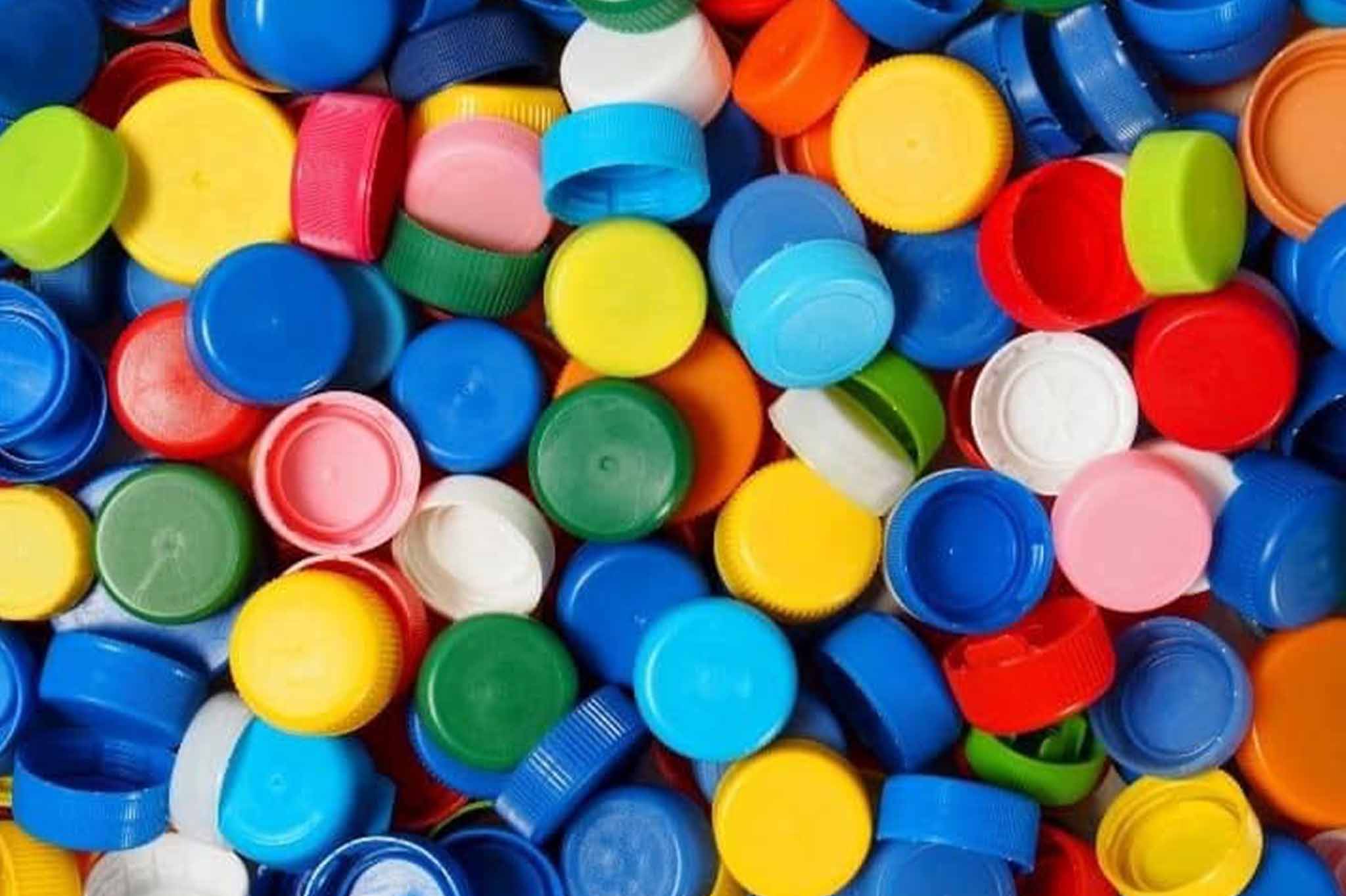
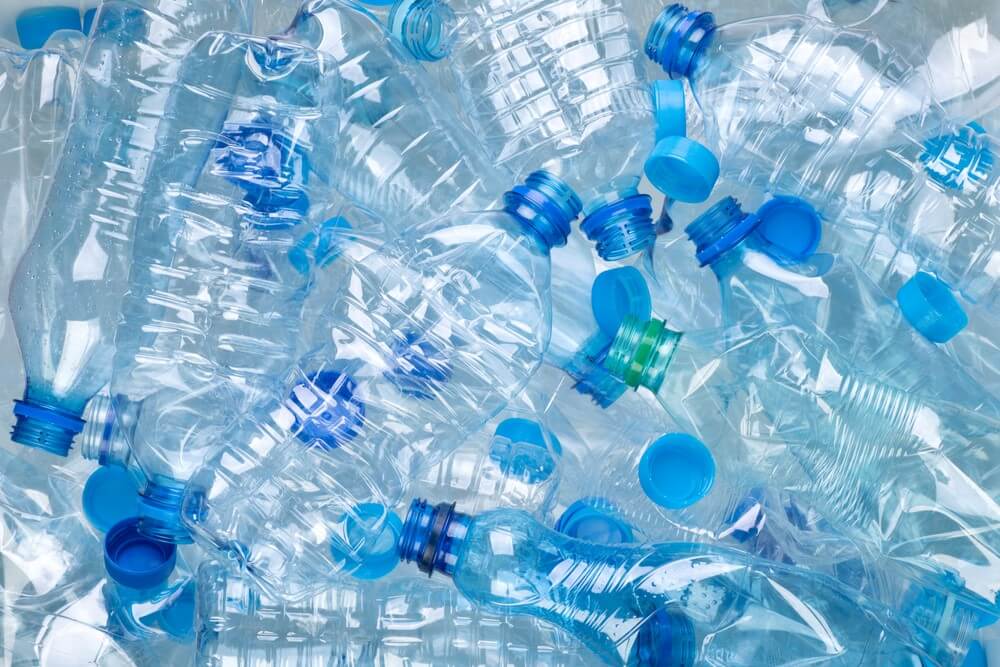
This small Slovenian plastic packaging manufacturer with a workforce of fewer than 10 employees focuses on the production of small-batch and customized plastic packaging components, likely including caps, containers, and bottles used across food, cosmetics, and industrial sectors. As a micro-enterprise without the scale or capacity for full in-house recycling, this company has implemented a pragmatic circular economy solution by outsourcing its plastic waste recycling to licensed, specialized recycling companies while managing minor internal recycling through granulation of defective products. Its approach is a hybrid solution involving both internal recycling through regrinding and external recycling partnerships:
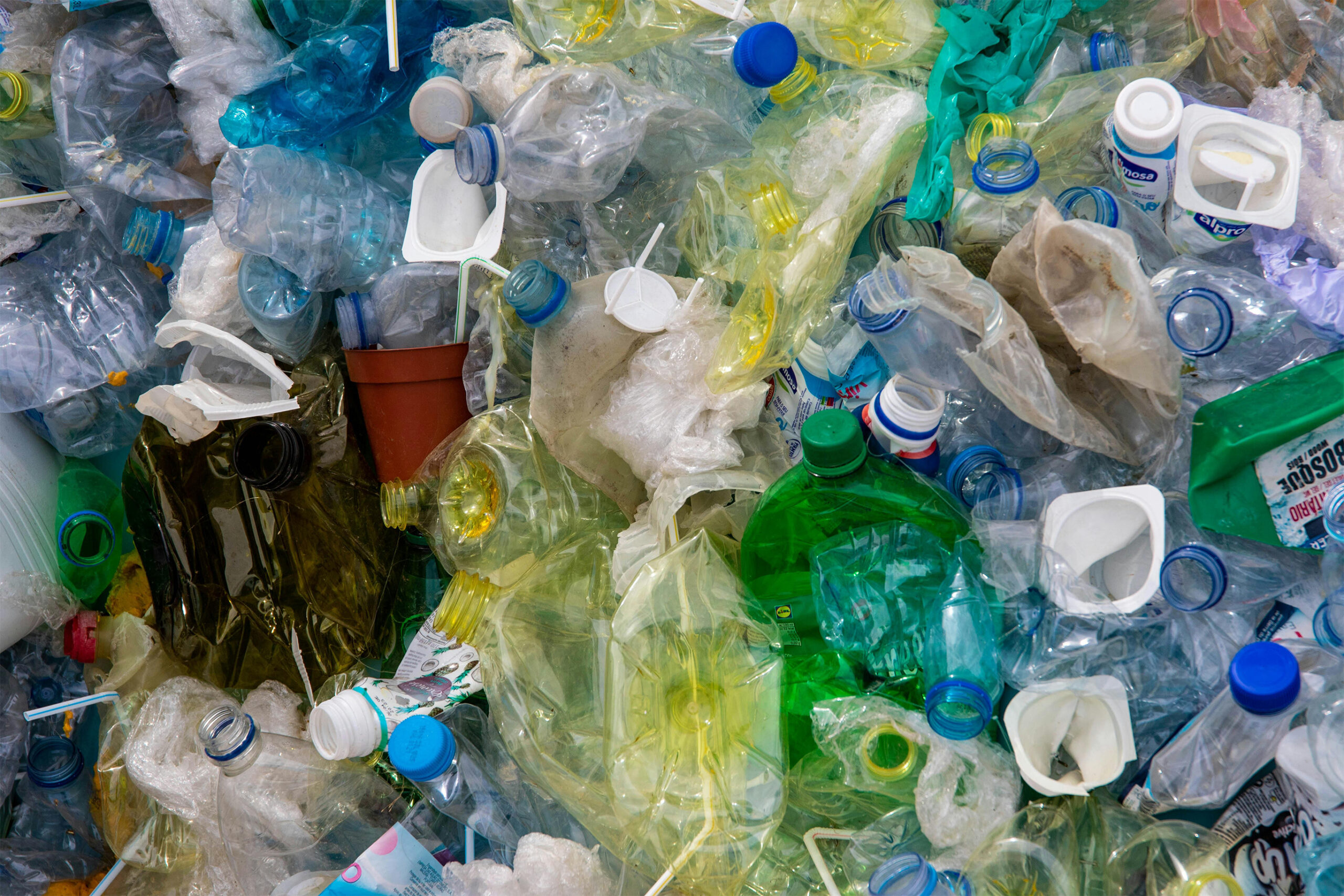
◼ Segregation and Outsourced Plastic Recycling: All plastic production waste—including sprues, off-cuts, and rejected components—is sorted by polymer type and collected in designated bins. The company contracts authorized waste management companies who regularly pick up these materials and transport them to recycling centers for processing (typically into regranulate or pellets).
◼ Internal Regrind and Reuse System: Faulty plastic products or excess material are processed in-house using a small-scale granulator or mill, which converts them into usable granulate. This regrind is then fed back into the company’s extrusion or molding machines, reducing reliance on virgin plastic inputs.
◼ Compliance with Slovenian and EU Waste Regulations: By working with licensed recyclers, the company fulfills Extended Producer Responsibility (EPR) obligations under Slovenian and EU packaging waste laws, ensuring proper material recovery and documentation.
◼ Focus on Material Purity: Plastic waste streams are kept uncontaminated—no mixing with general waste or cross-contamination between polymers—ensuring high-quality input for recycling and potential resale of clean scrap.
◼ Closed-Loop Circular Chain via Third-Party Recyclers: While this company doesn’t reprocess all its plastic waste in-house, its outsourced model ensures that the materials are returned to the plastic value chain. In some cases, the recycled pellets may be reintroduced into this company's or other local manufacturers’ supply chains.


Environmental Perspective

The company's practices significantly advance the environmental aims of the circular economy by:
◼ Avoiding Landfilling of Plastics: Nearly all production waste is either reused internally or recycled externally, minimizing landfill contribution. Given plastic’s long decomposition time, this is a major achievement for a small manufacturer.
◼ Contributing to Energy and Emission Reductions: Recycling plastics typically uses 30–80% less energy compared to producing virgin resin. By ensuring the continuous cycling of its materials, this company indirectly contributes to GHG emission reduction and lower environmental impacts associated with virgin polymer production.
◼ Supporting National Recycling Targets: Slovenia has ambitious plastic packaging recycling targets (e.g., 50% by 2025 and 55% by 2030). This company, by achieving near-zero production waste, plays an important role in supporting these goals.
◼ Promoting Resource Efficiency: The company maximizes the utility of raw materials by reclaiming defective parts and scraps. This reduces the demand for fossil-derived raw inputs and extends the lifecycle of plastic resources.

Economic Perspective

For this small SME, the circular solution provides practical economic advantages:
◼ Avoidance of Capital Investment: Instead of building costly recycling infrastructure, the company leverages the services of external recycling partners. This reduces capital and maintenance costs while still achieving high recycling rates.
◼ Lower Waste Management Costs: Recycling services may be more cost-effective than standard waste disposal—especially if recyclers accept sorted, clean plastic waste for free or offer rebates for high-value fractions.
◼ Reduced Virgin Material Demand: On-site regrinding enables the company to replace part of its virgin polymer input with self-produced recycled granulate. This offsets procurement costs and helps manage raw material price volatility.
◼ Regulatory Risk Mitigation: By adhering to national recycling obligations through third-party contractors, the company avoids non-compliance fines and ensures smooth environmental reporting.
◼ Sustainability Reputation and Market Access. Circular practices bolster the company's environmental credentials, which can be a selling point for B2B clients with eco-conscious purchasing standards. This positions the company competitively in a market increasingly focused on sustainability.

  • Date
  • Client
  • Category
  • Share