Solvent Distillation and Waste Segregation System
Waste Type:
Main Circular Economy Strategy:
KEYWORDS
Summary
Marana d.o.o. implemented a closed-loop solvent recycling and hazardous waste management system using on-site thermal distillation, enabling 80–90% solvent recovery, reducing virgin solvent use, and ensuring safe handling and disposal of non-recyclable residues
Description:
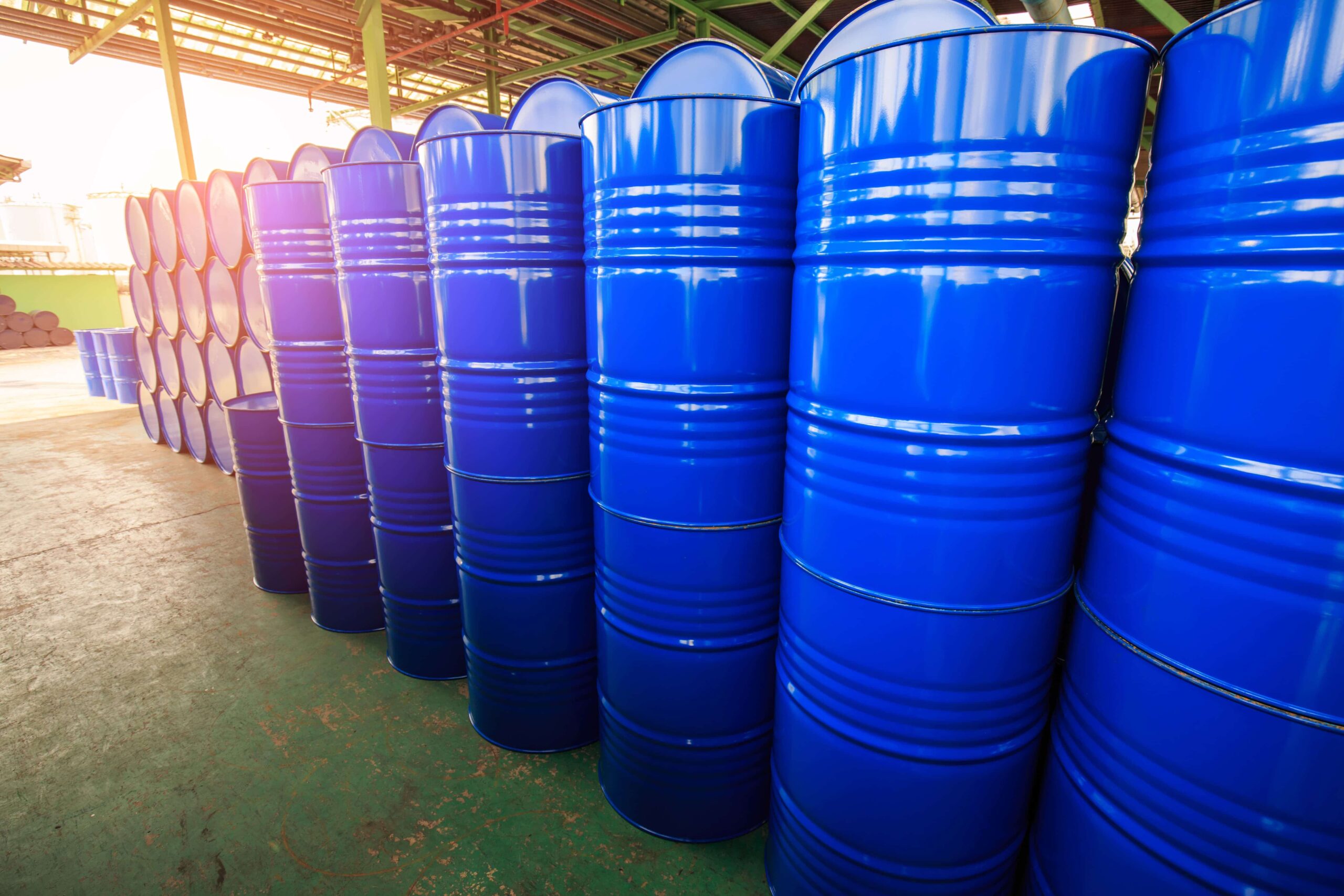
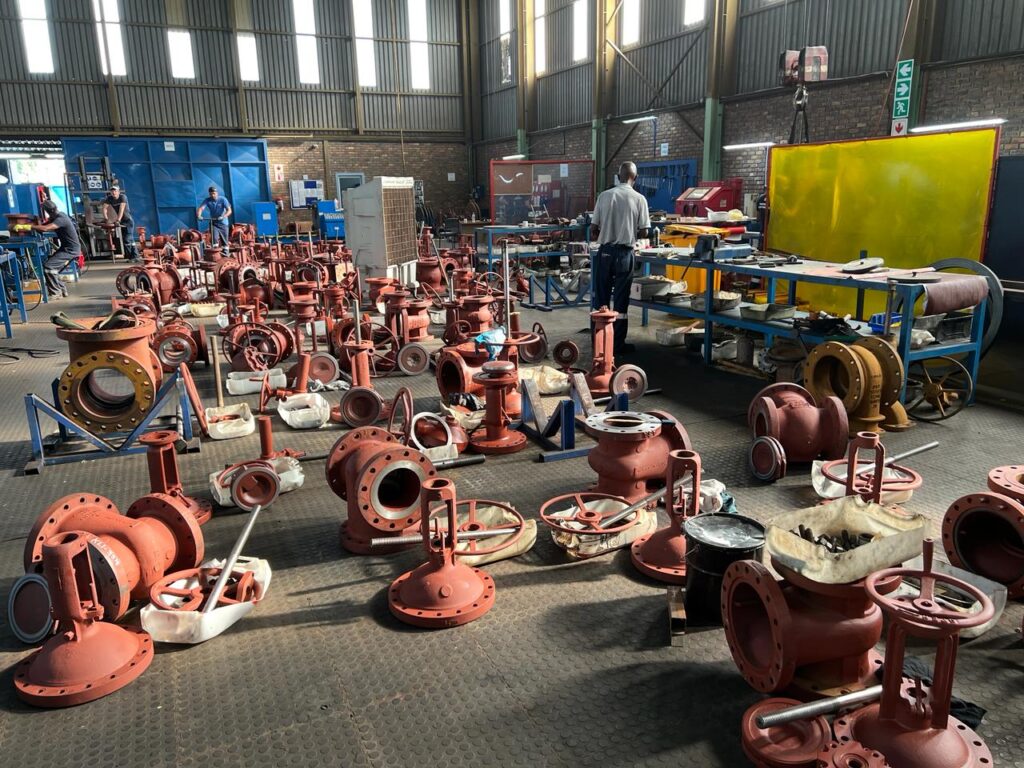
Marana d.o.o., founded in 1997 and based in Klis, Croatia, specializes in the fabrication of marine equipment and subsea components. Operating in the mechanical sector, the company frequently uses solvents and chemical agents in its production processes—especially for metal cleaning, painting, and surface treatments. This leads to the generation of hazardous waste streams, including spent solvents and contaminated cleaning agents. To reduce environmental risks and improve regulatory compliance, Marana implemented a closed-loop solvent recycling and hazardous waste management system. Marana installed an on-site solvent recovery system using thermal distillation technology. This system allows the company to reclaim used solvents—such as paint thinners and degreasers—by separating them from contaminants through controlled heating: Solvent Recovery Process Contaminated solvents are collected from cleaning and coating operations. The waste solvent is heated in a distillation unit, where it evaporates and is then condensed back into reusable form. Impurities (paint sludge, residues) remain as still bottoms and are properly containerized for external disposal. Recovery rates typically reach 80–90%, drastically reducing the need for virgin solvent. Hazardous Waste Management Enhancements Improved segregation of chemical wastes. Proper labeling, storage, and handling procedures for unrecoverable hazardous materials. Coordination with licensed facilities for the safe disposal of non-recyclable residues. This solution transforms Marana’s chemical waste stream from a disposal burden into a regenerative input.

Environmental Perspective
Marana’s solvent recovery system delivers significant environmental benefits: Waste Minimization Substantial reduction in hazardous waste drums sent off-site for incineration or treatment. Minimizes the risk of spills and accidents during transport of hazardous materials. Circular Resource Use Recovered solvents are reused in-house, aligning with circular economy principles. Less demand for virgin solvent production (typically petroleum-based), resulting in lower upstream environmental impact. Pollution Prevention Reduces volatile organic compound (VOC) emissions and environmental liabilities. Ensures residual hazardous waste is treated responsibly, avoiding soil or water contamination. Overall, Marana demonstrates a shift from linear solvent use to a circular model—recovering value while preventing pollution at the source.
Economic Perspective
Marana’s solution offers strong economic advantages: Cost Savings Cuts chemical purchasing costs by reducing virgin solvent demand (up to 85% recovery). Significantly lowers hazardous waste disposal expenses, which are typically charged per drum or liter. Quick Return on Investment The solvent recovery system pays for itself quickly—often within 1–2 years—through savings in material procurement and disposal. Operational Stability & Compliance Reduces exposure to volatile solvent prices and supply chain disruptions. Enhances regulatory compliance, reducing risk of fines or environmental liability. Workplace Safety & Efficiency Enclosed distillation units limit worker exposure to toxic fumes, improving occupational health outcomes. Process streamlining enhances production reliability and safety culture