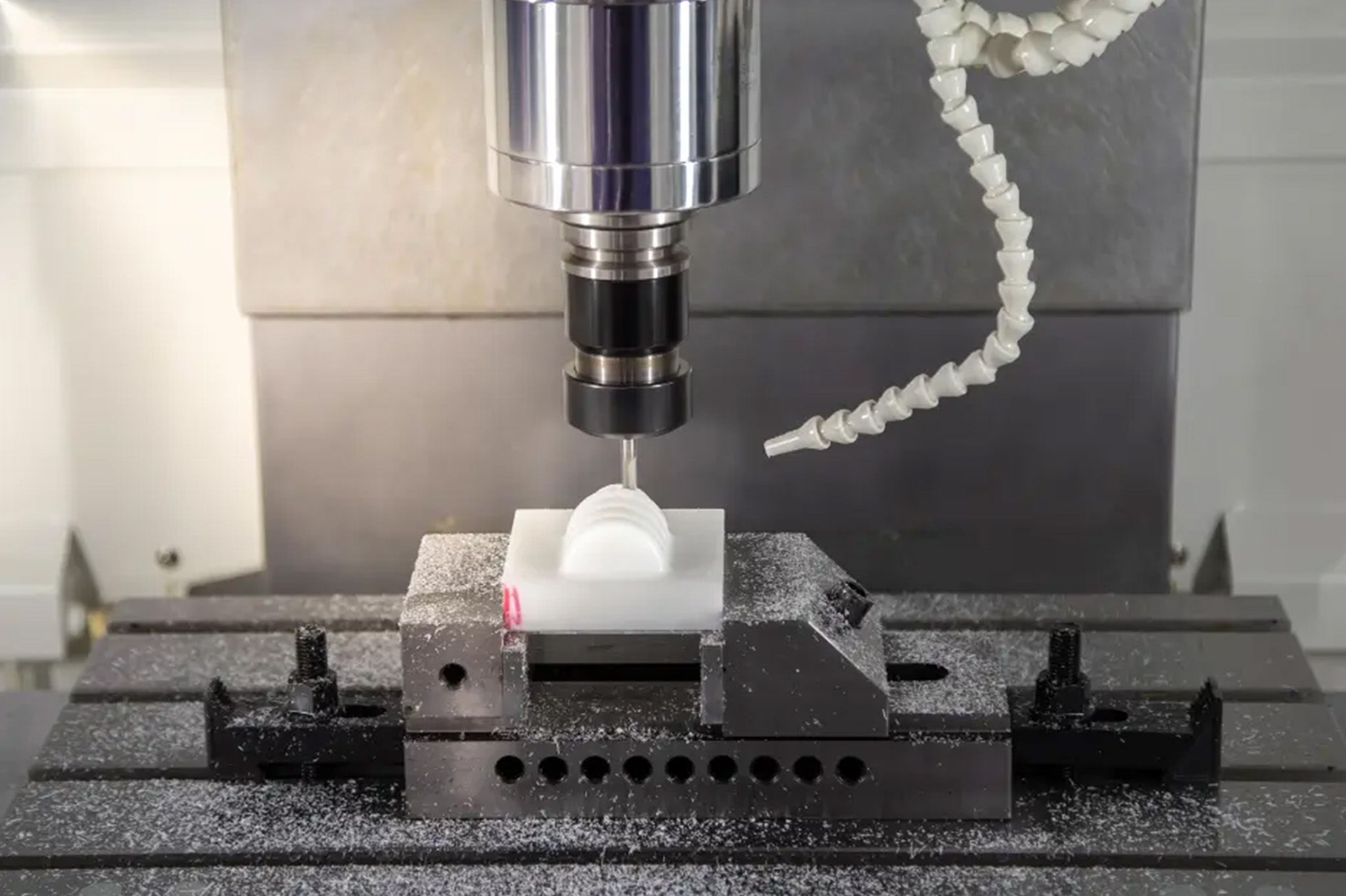
A Czech plastics company is a SME based in Hlučín, specializing in the precision machining of high-performance thermoplastics such as PEEK, PTFE, PA, and POM. Founded in 2004, the company supplies machined plastic components for the chemical, food, and machinery sectors, and offers services in plastic welding, fabrication, and sales of semi-finished materials. The company operates under ISO 9001 and Good Manufacturing Practice standards, with a particular focus on hygiene and safety for food-grade applications. Their operations generate substantial plastic shavings and off-cuts, previously treated entirely as hazardous waste due to contamination concerns.
The company implemented a smart segregation system to distinguish between clean and potentially hazardous plastic machining waste, enabling the recyclable portion to be recovered:
Hazard Identification: The company conducted a comprehensive analysis of its waste streams to define which plastic shavings could be considered non-hazardous. Criteria included plastic type, additives (e.g., flame retardants or glass fiber), and process contamination (such as oil use during machining).
Segregation at Source: Separate, clearly labeled collection containers were installed across workstations. Operators were trained to deposit clean, mono-material shavings (e.g., dry-machined POM or PE) in one container and oily or composite-contaminated scrap in another. Visual coding and simple rules ensured adherence.
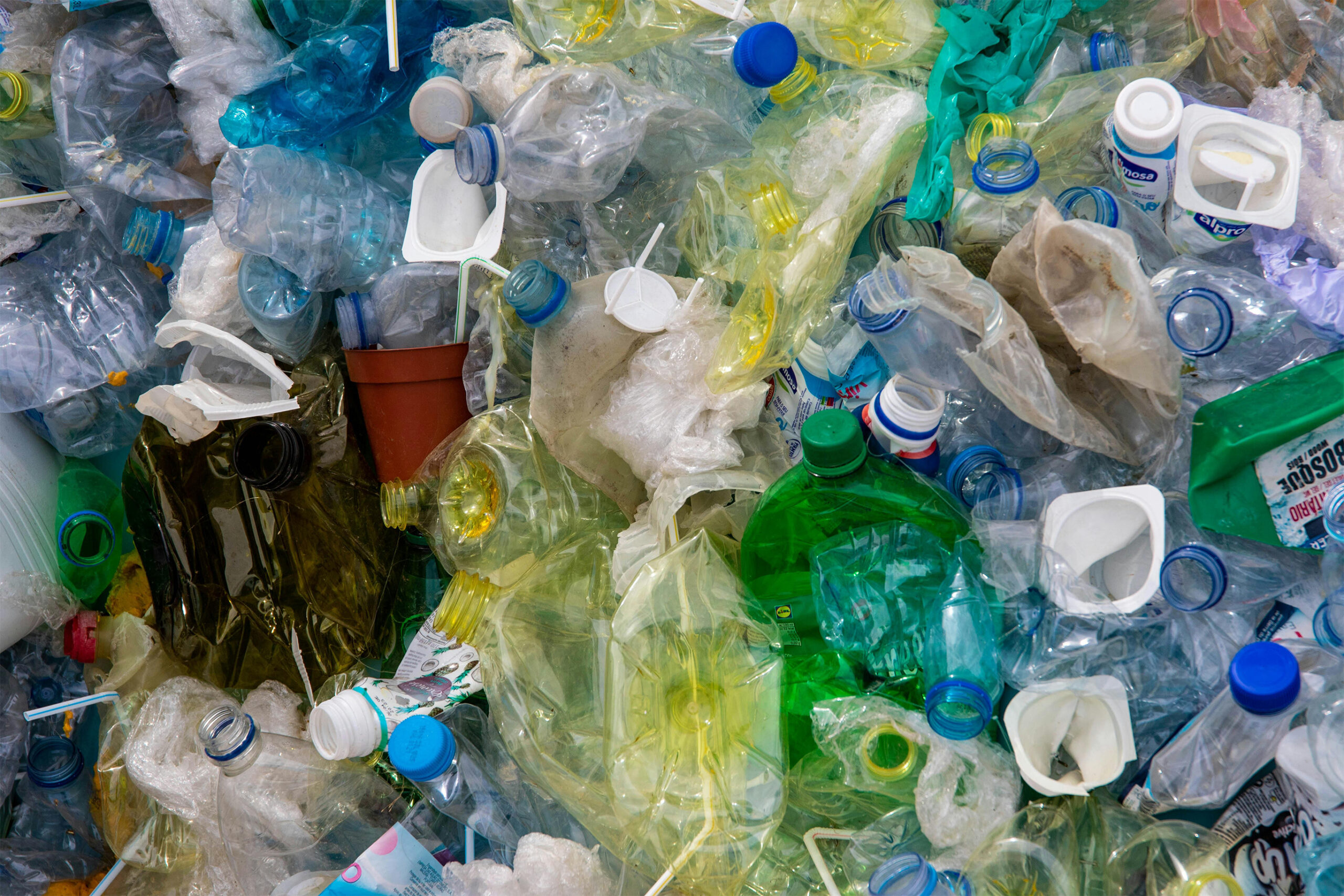
Recycling of Clean Plastic: Clean plastic shavings are now collected in bulk and sent to specialized recyclers or back to suppliers for reprocessing. Depending on polymer type and purity, the materials are ground and reused as feedstock in manufacturing new plastic products.
Proper Hazardous Waste Handling: The smaller volume of contaminated plastic waste is isolated and sent to certified hazardous waste contractors, ensuring compliance with Czech and EU regulations.