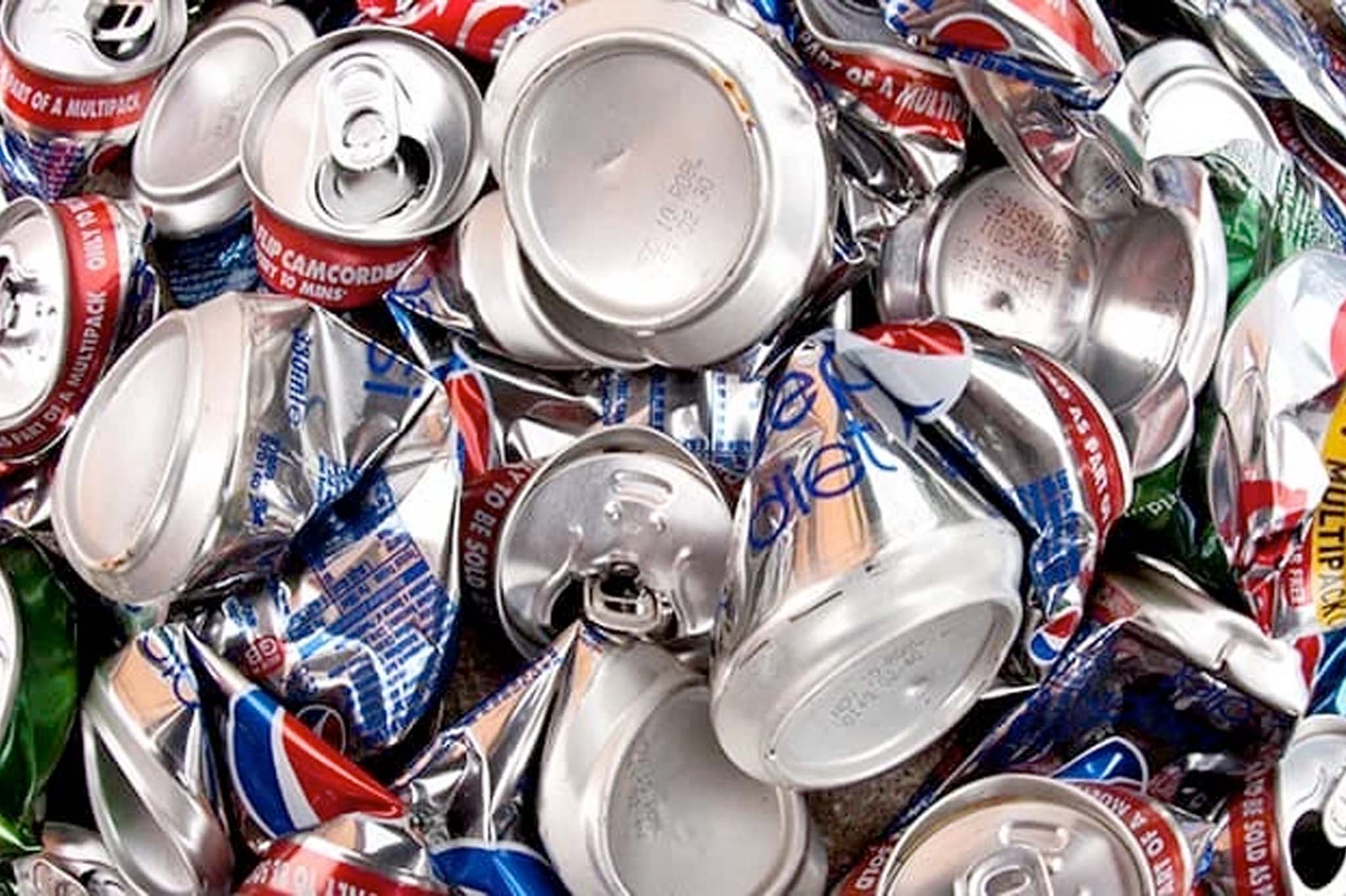
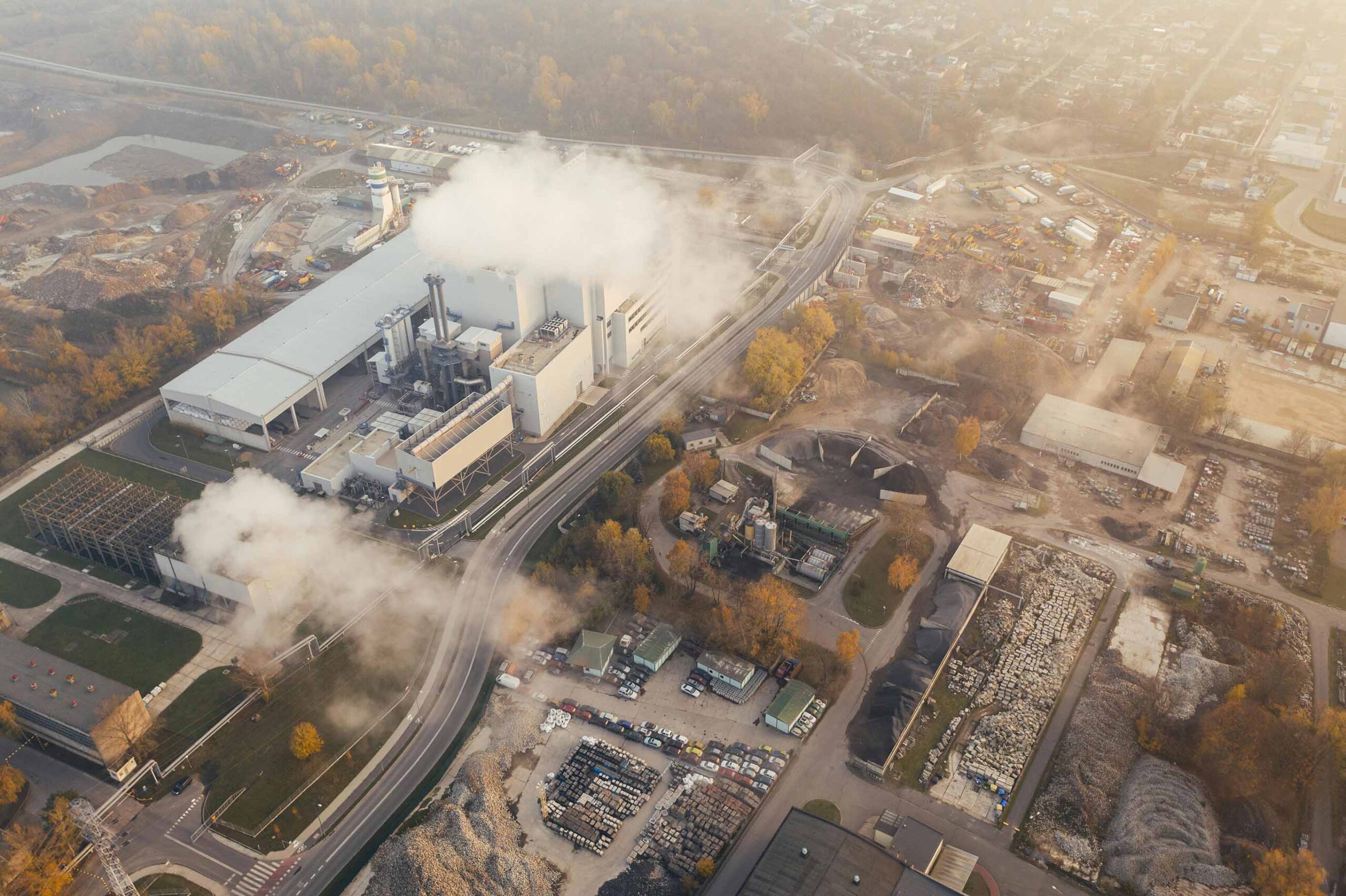
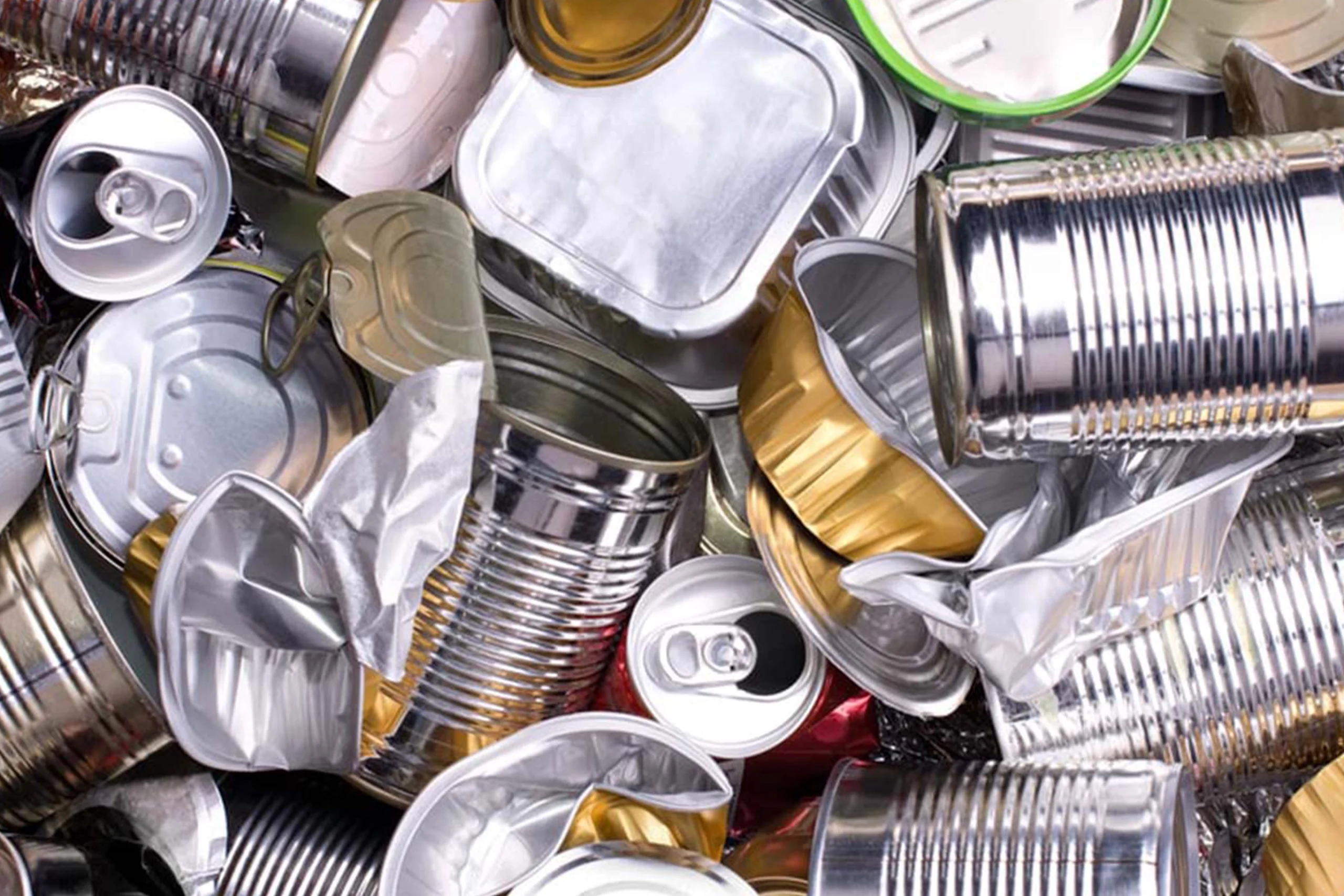
SKAPA Recycling GmbH is a specialized SME based in Kottingbrunn, Austria, focused on aluminum recycling,
particularly of used beverage cans (UBCs). In a country known for its high recycling rates—where 100% of
household steel cans are recycled when properly collected—SKAPA contributes by enabling a closed-loop
aluminum system. The company transforms post-consumer aluminum packaging into secondary raw material
for new cans and other high-quality products, demonstrating how SMEs can anchor national circular systems.
SKAPA operates as a collection and reprocessing hub for aluminum packaging waste, integrated with Austria’s
“Gelber Sack” (yellow bag) household collection system. Their process includes:
¡ Sorting and Pre-treatment: Collected UBCs are sorted, cleaned, and shredded. Advanced systems
remove contaminants like labels, plastic liners, or adhesives.
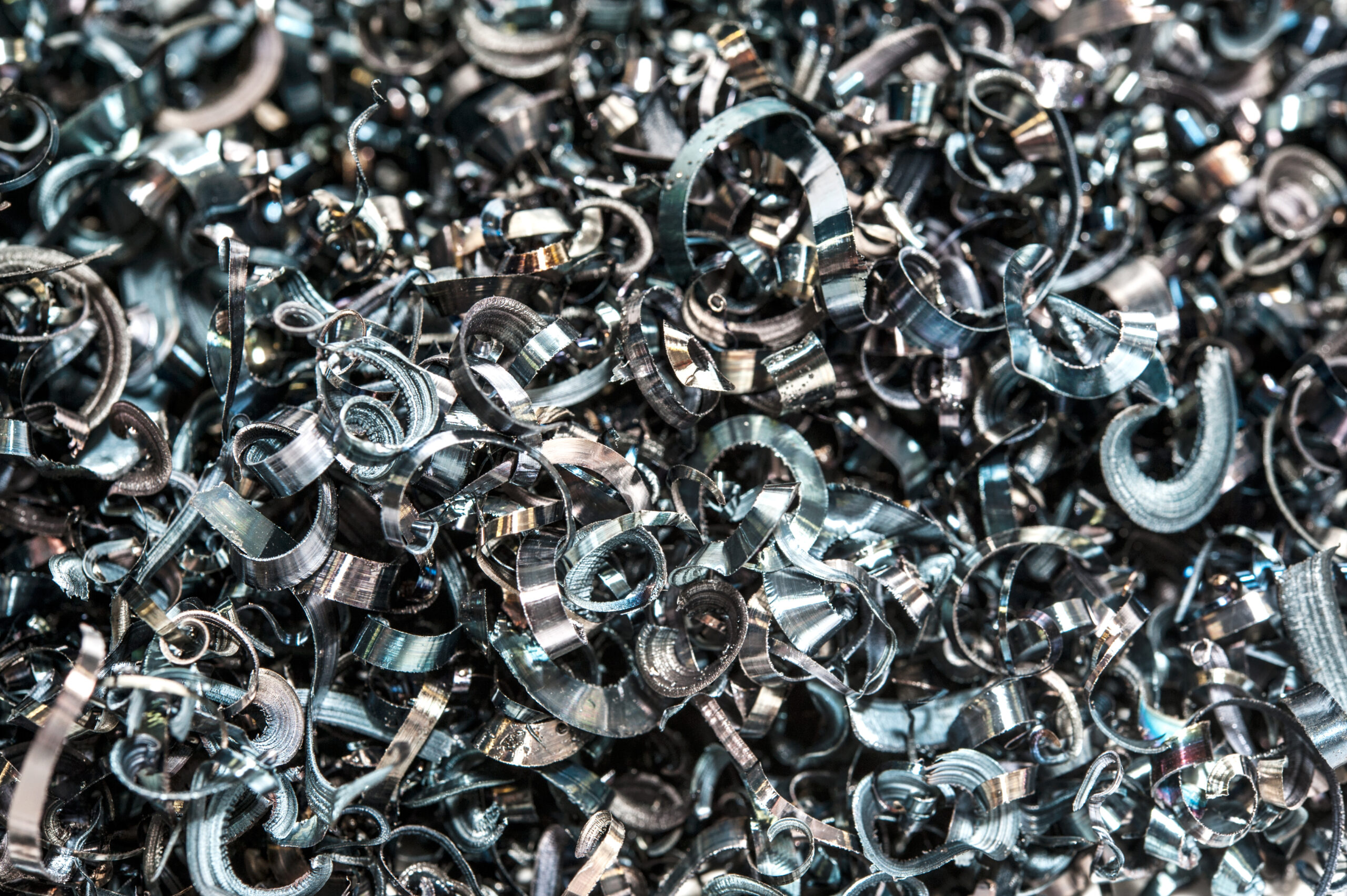
¡ Remelting and Refining: Shredded aluminum is remelted into ingots or billets, which are then
supplied to aluminum manufacturers—often for producing new cans, bicycle frames, or automotive
components.
¡ Material Circularity: This enables can-to-can recycling, creating a fully closed material loop where
the same aluminum can be reused indefinitely without quality degradation.
Page 31
¡ Volume Handled: Austria generates ~12,000 tonnes of aluminum beverage cans per year, with 5,000–
8,000 tonnes channeled through recyclers like SKAPA. Their operations help ensure that high-value
aluminum remains in productive use within Austria or is exported in ready-to-use form.