Elimination of Single-Use Plastic Packaging and Product-Life Extension

Waste Type:
Plastic
Main Circular Economy Strategy:
Design for Recyclability & Material Substitution
KEYWORDS
Zero Waste, Sustainable Packaging, Reuse, Modular Design, Circular Economy

Summary

GLASS GmbH eliminated all single-use plastic packaging by replacing bubble wrap with shredded supplier cardboard in a closed-loop system and requiring plastic-free deliveries. At the same time, its modular machinery design extends product lifespans, cutting waste, reducing costs, and aligning customer service with circular economy principles.

Description:

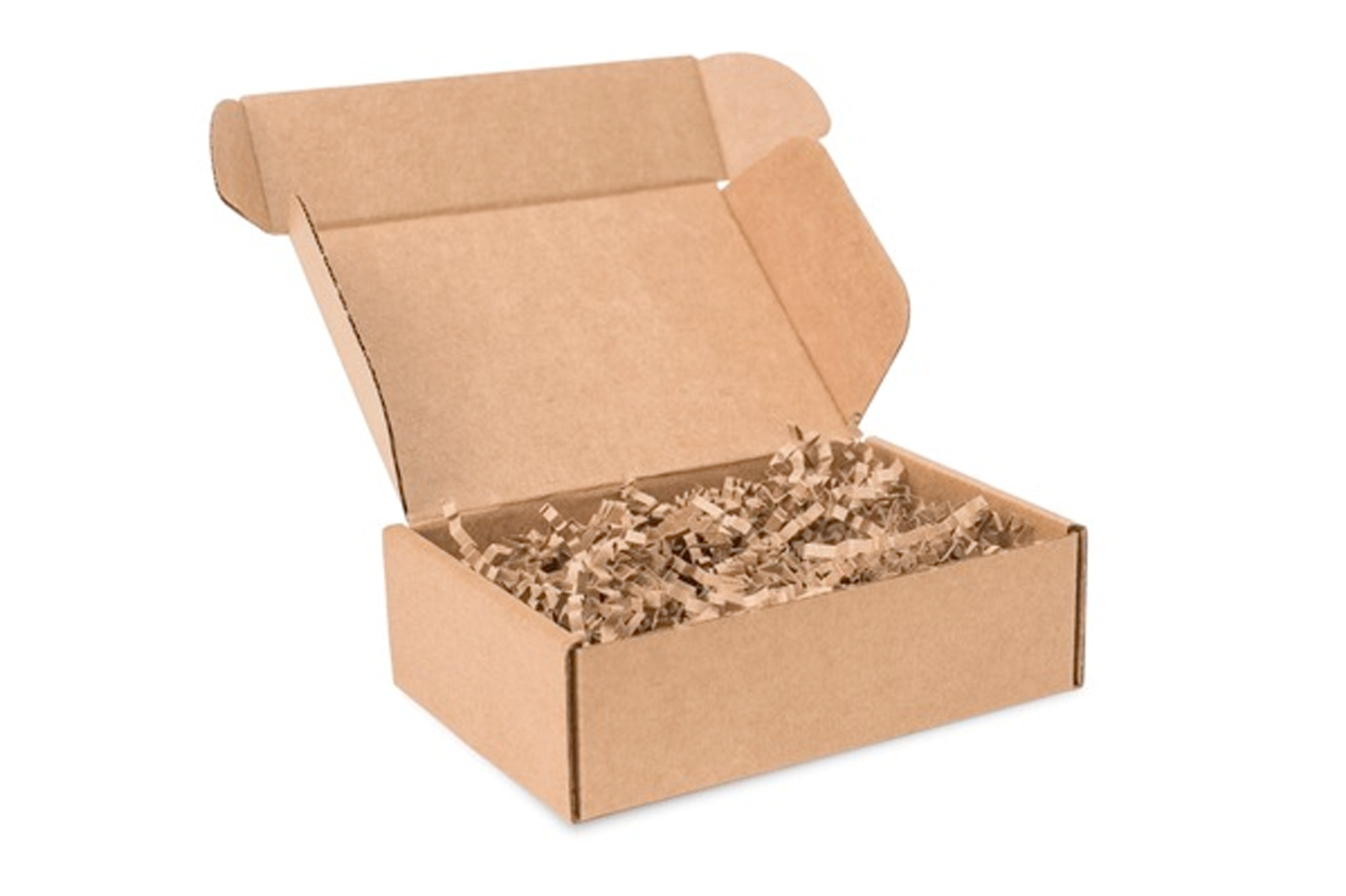
GLASS GmbH & Co. KG, a mechanical engineering SME located in North Rhine-Westphalia, Germany, has implemented an integrated circular economy strategy targeting packaging waste and product longevity. Known for designing high-quality food-processing machinery, the company transformed its internal and external logistics by establishing a closed-loop system for packaging materials. A key innovation was the installation of an on-site shredder to repurpose incoming supplier cardboard as filler material for outbound spare parts shipments. This enabled GLASS to entirely eliminate plastic bubble wrap, instead using shredded cardboard as sustainable, cost-free protective material. The company also enforced new packaging standards for its suppliers, requiring shipments without plastic foam or wrap. Internally, GLASS replaced all plastic labels and adhesive tapes with sustainable, plastic-free alternatives—achieving 100% plastic-free packaging across its product lines. Beyond packaging, GLASS incorporated design for durability into its core business model. Its machines are engineered for modular disassembly and long-term serviceability, allowing for easy repair and component-level upgrades. Instead of replacing entire machines, clients can restore and extend the life of older equipment—substantially reducing resource consumption over time.


Environmental Perspective

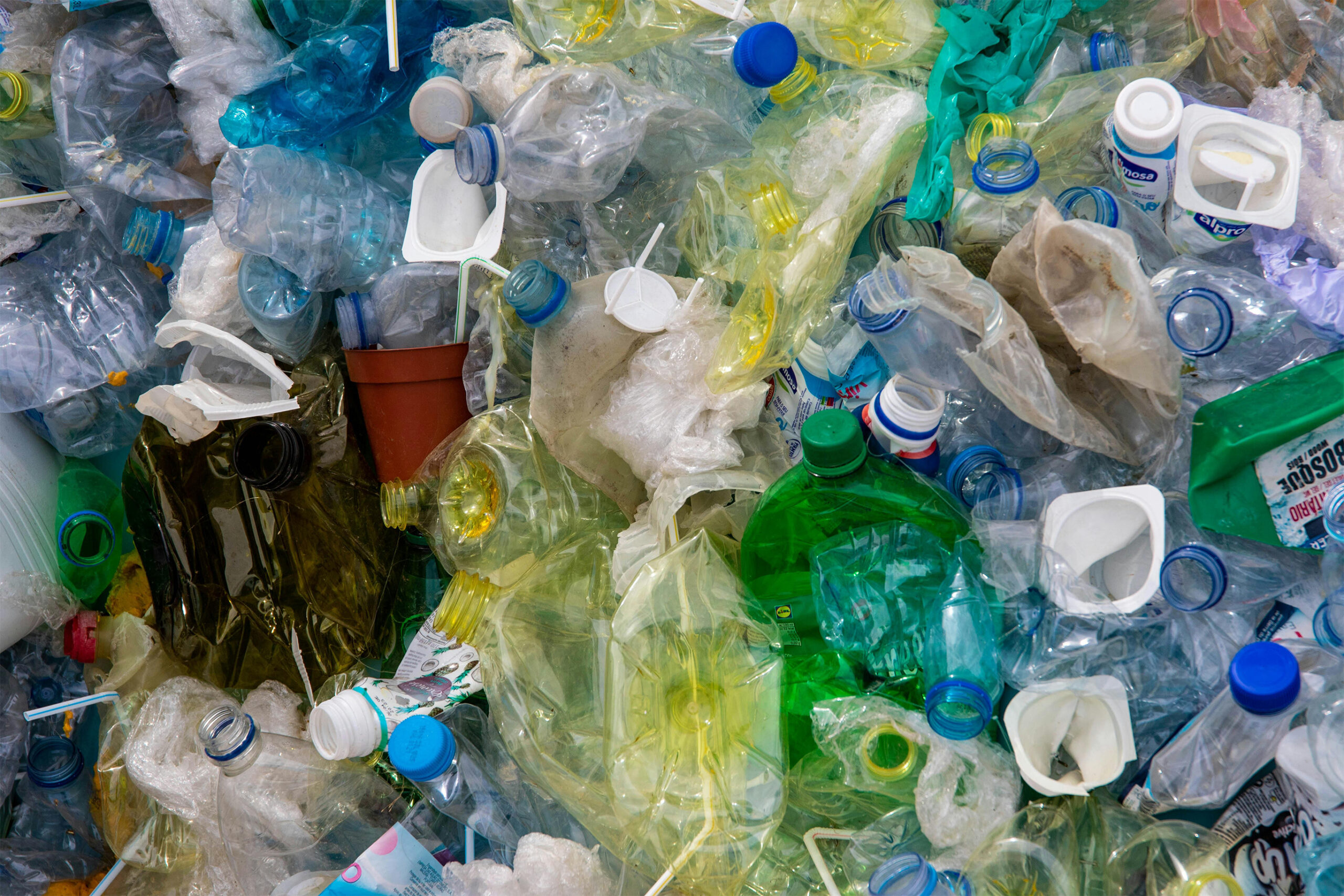
The impact of GLASS GmbH’s strategy is clear across ecological dimensions: Plastic Waste Reduction: By achieving 100% plastic-free shipments and eliminating disposable packing materials, GLASS drastically cut plastic waste. This not only avoids emissions linked to plastic production and disposal but also contributes to broader pollution reduction. Material Circularity: The closed-loop use of supplier cardboard prevents unnecessary disposal and reduces dependency on virgin packaging materials.

Economic Perspective

Cost Savings: By replacing purchased bubble wrap with repurposed cardboard, the company saves on packaging procurement. Recycling rebates for clean paper waste offer additional financial returns, turning waste streams into revenue. Carbon Impact: Although not quantified, the reduction in virgin plastic use and efficient material reuse lowers the company’s carbon footprint indirectly. Employer Branding: Sustainability actions have bolstered GLASS’s attractiveness to young engineers and trainees, improving recruitment while aligning the brand with environmental values.

  • Date
  • Client
  • Category
  • Share