
Waste Streams and Solutions
Circular Solutions for Industrial Waste: The Path to Sustainability
Industrial production, especially in mechanical companies, generates various types of waste. Implementing circular strategies can significantly reduce environmental impacts and contribute to efficient resource utilization. Explore key industrial waste streams—including metal, plastic, chemical, and hazardous waste—and discover circular economy solutions that turn these challenges into sustainable opportunities.

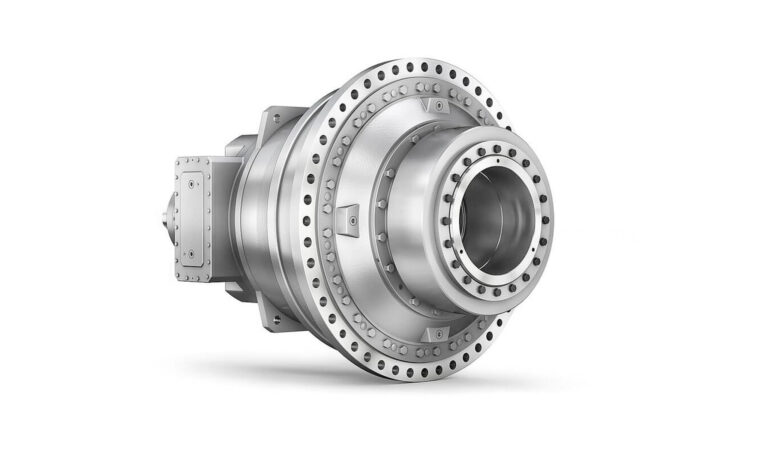
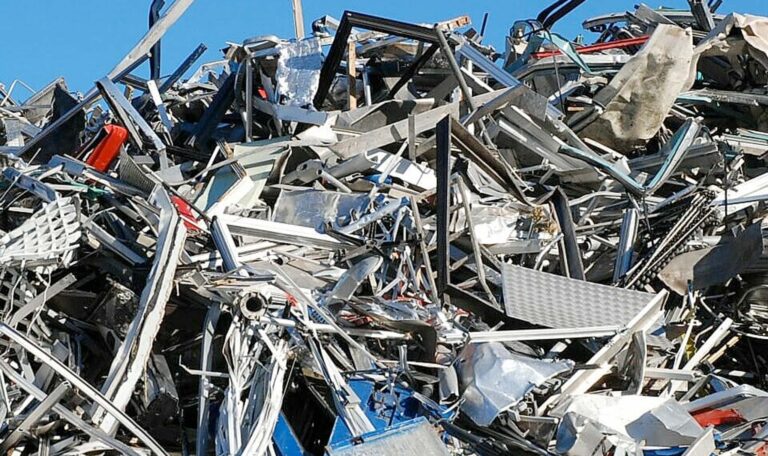
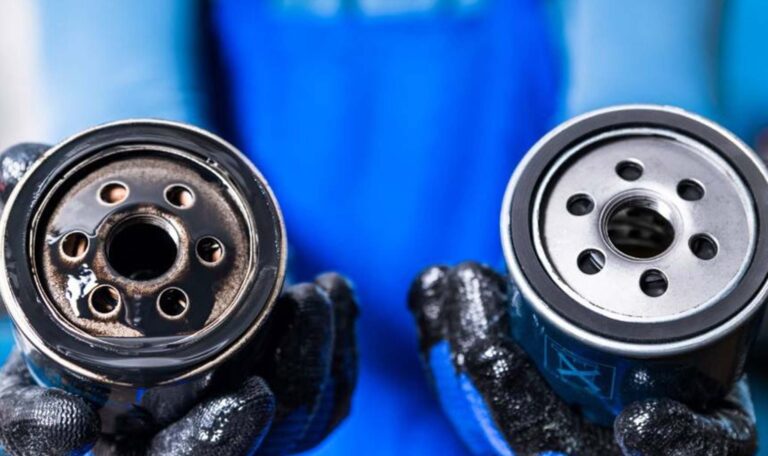
Metal Waste
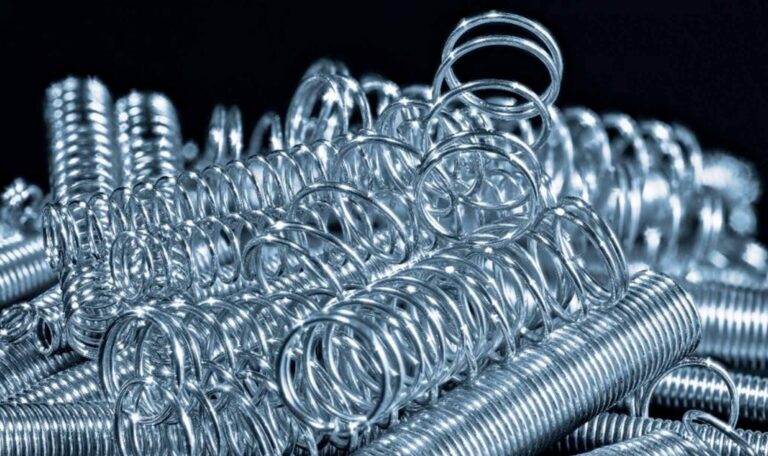
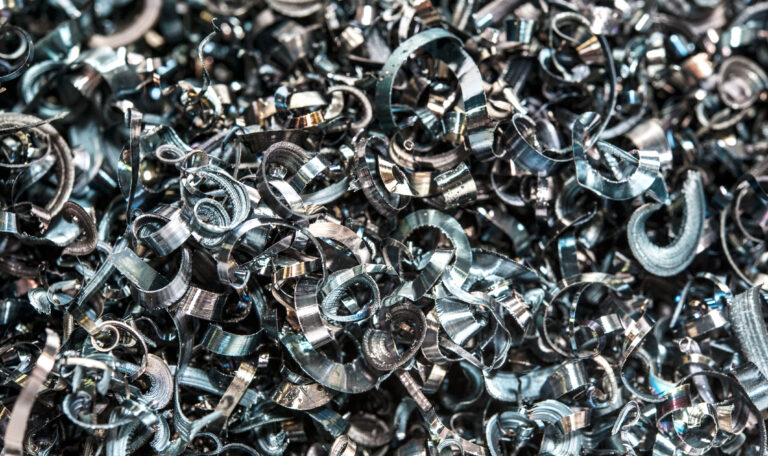
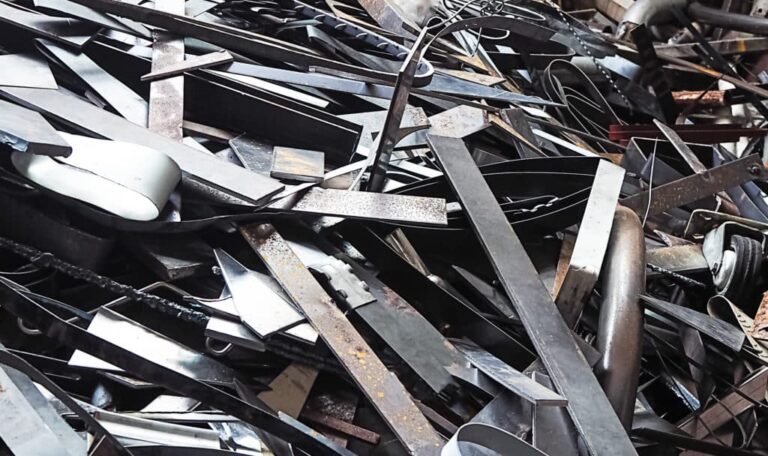
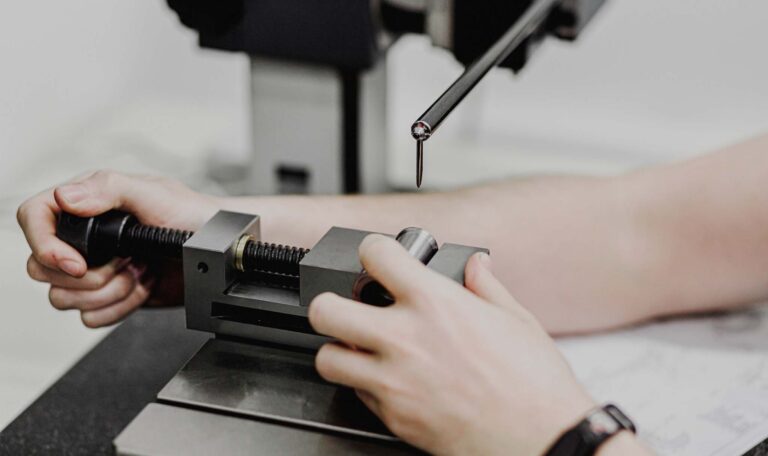
Scraps, shavings, sheet metal remnants, parts
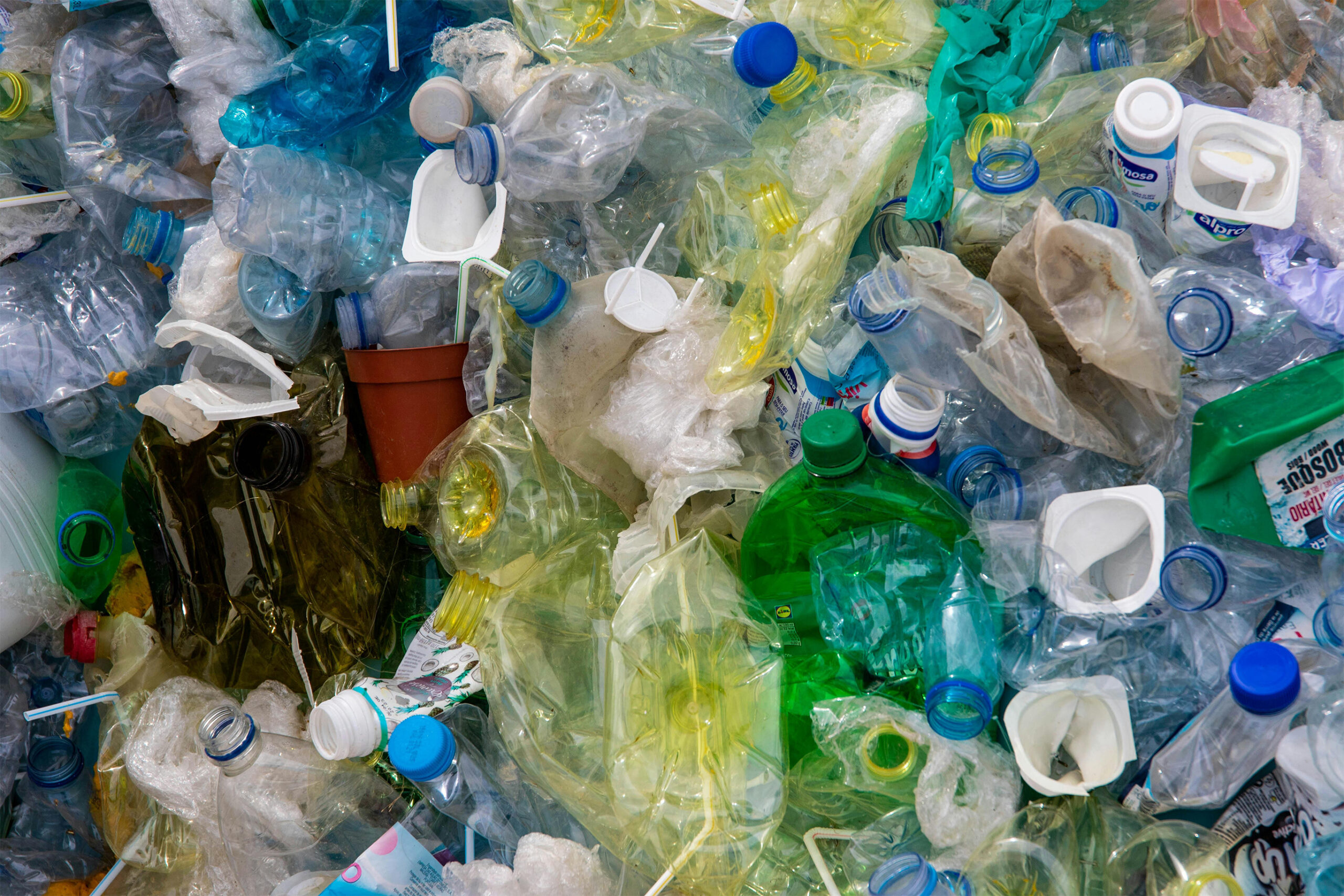
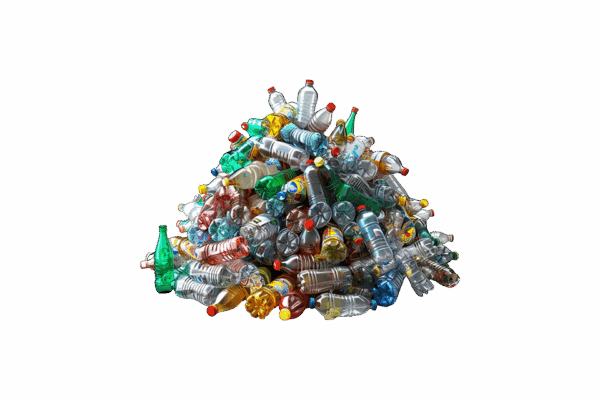
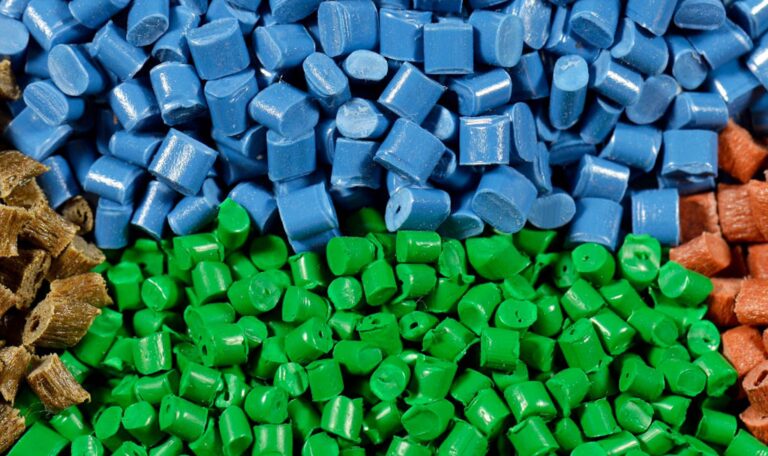
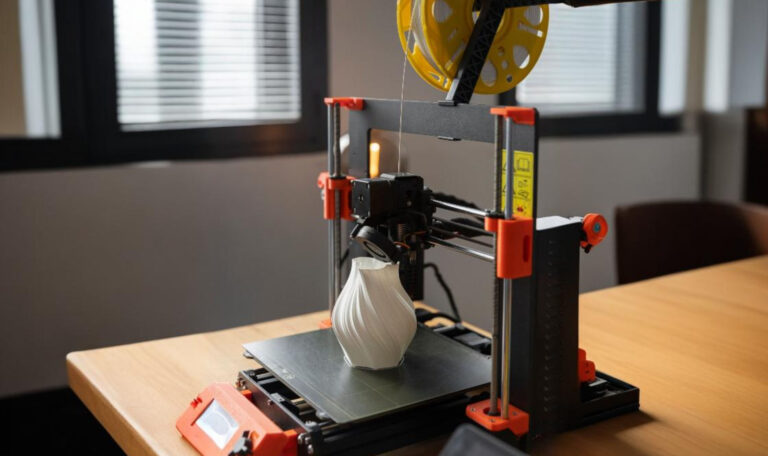
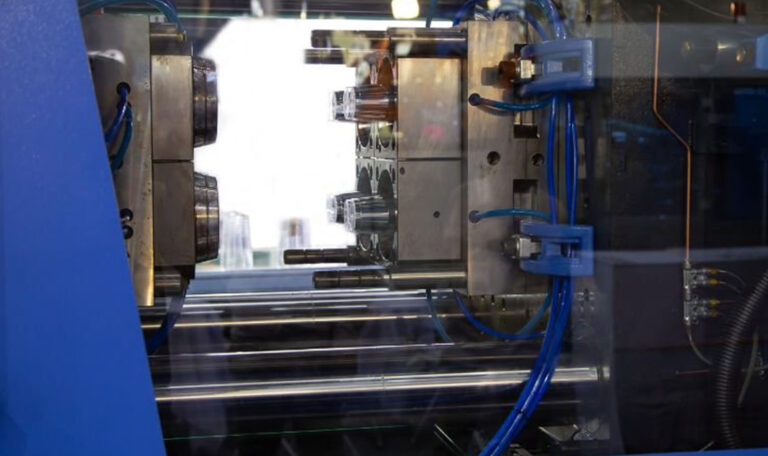
Plastic Waste
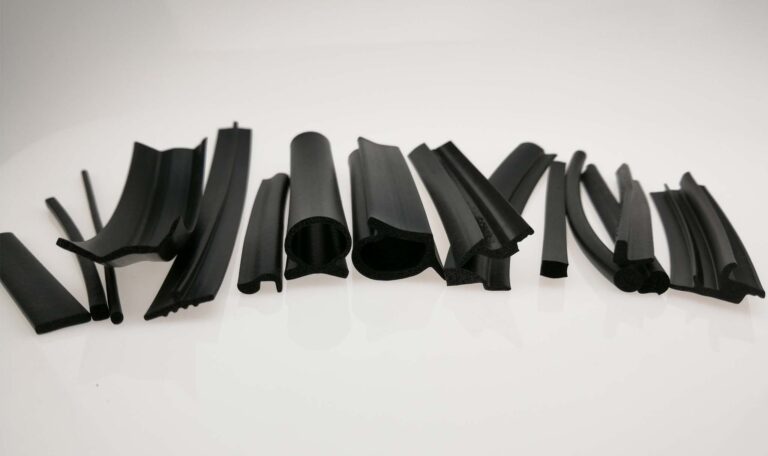
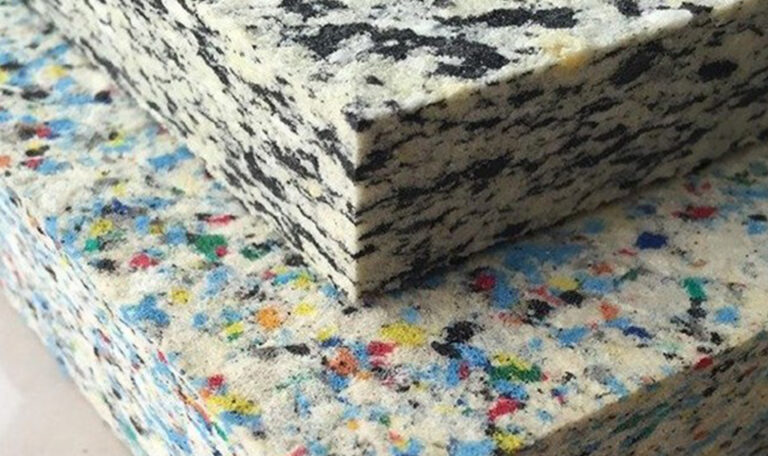
Moldings, plastic packaging, technical plastic
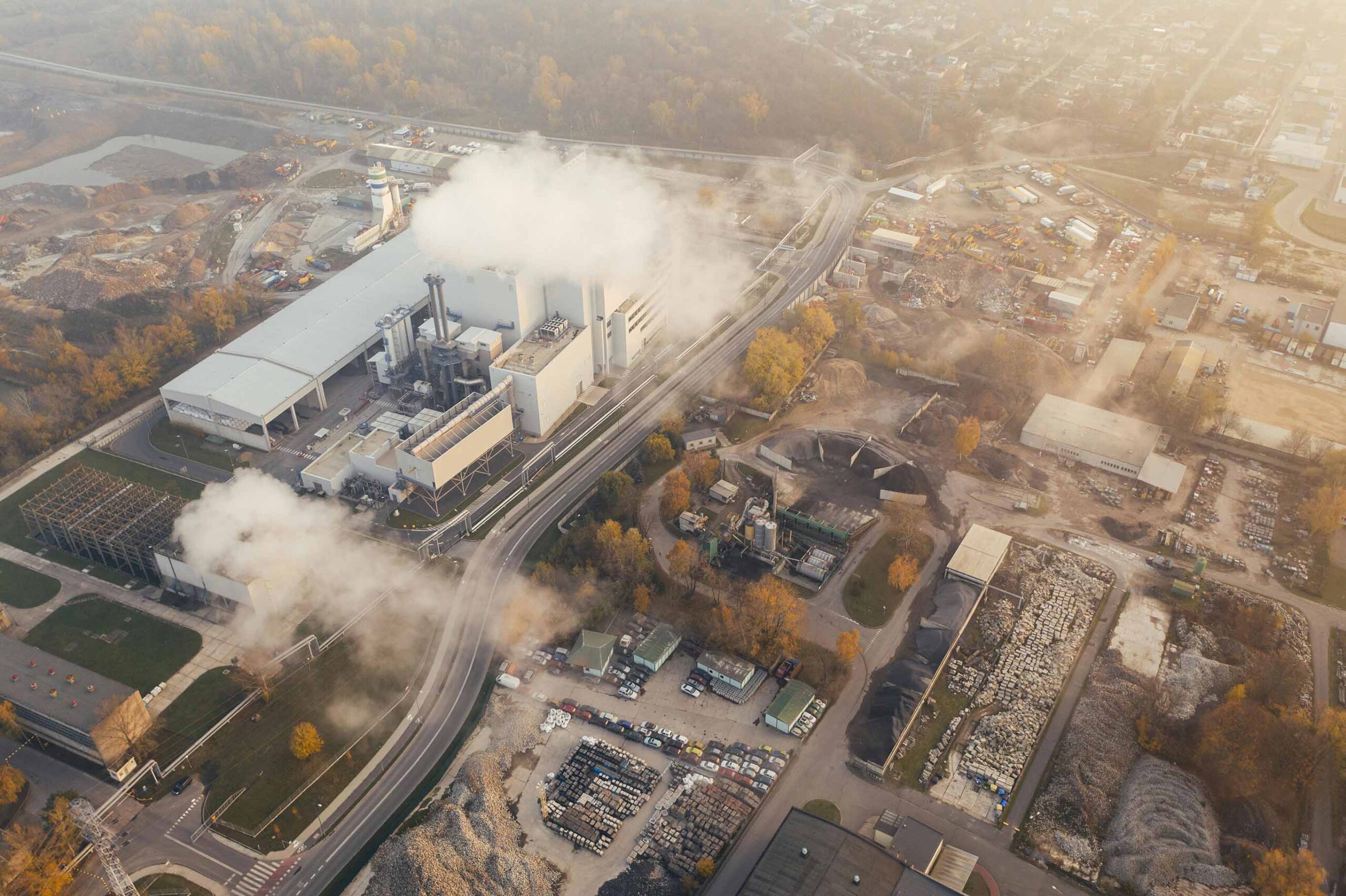
Chemical Waste
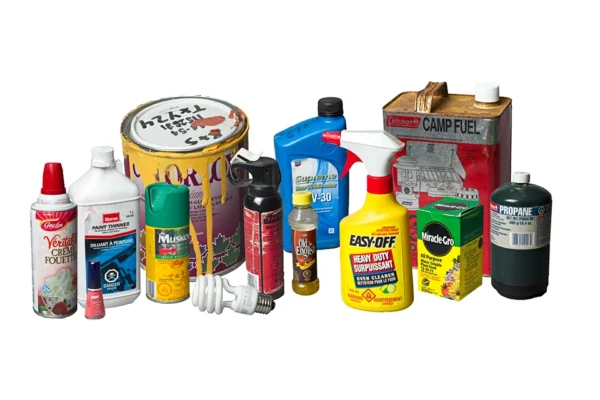
Acids, alkalis, industrial chemicals
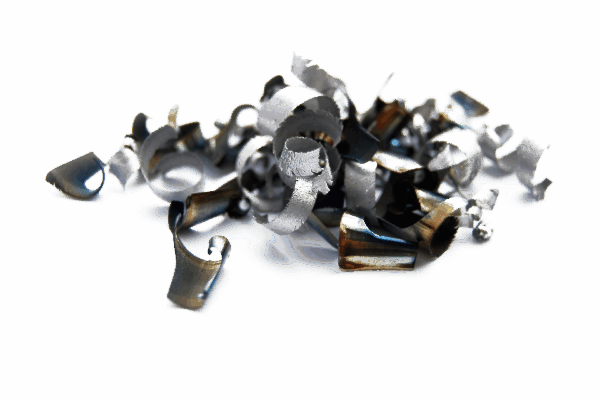
Metal Waste
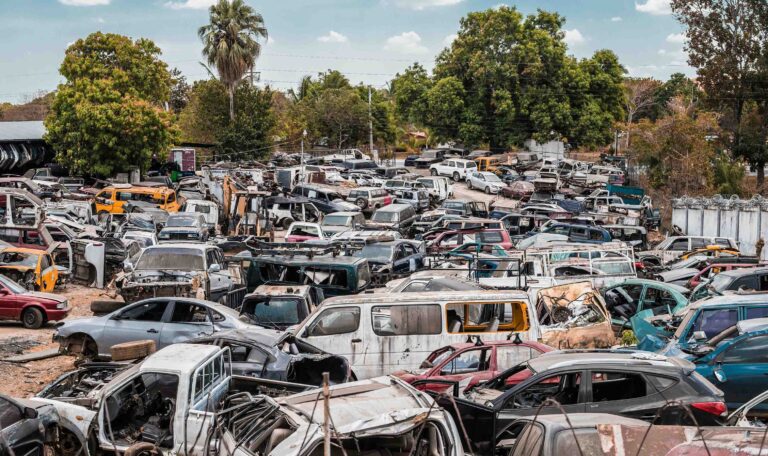
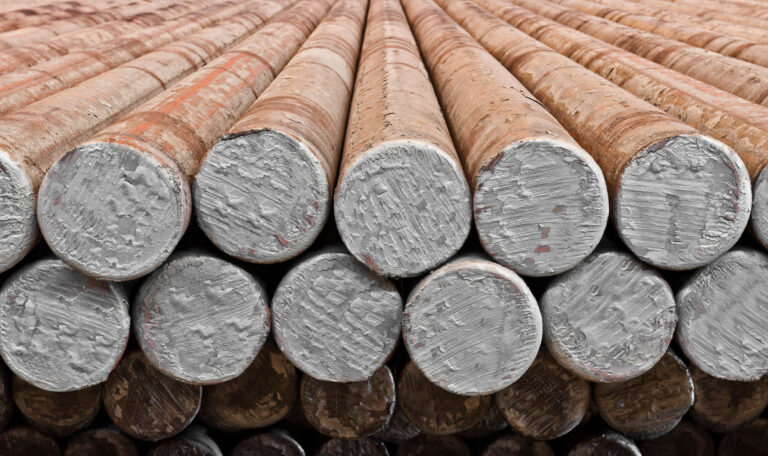
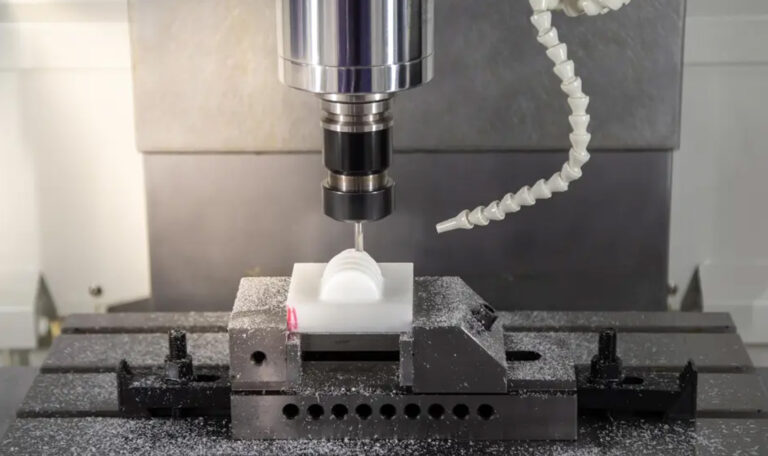
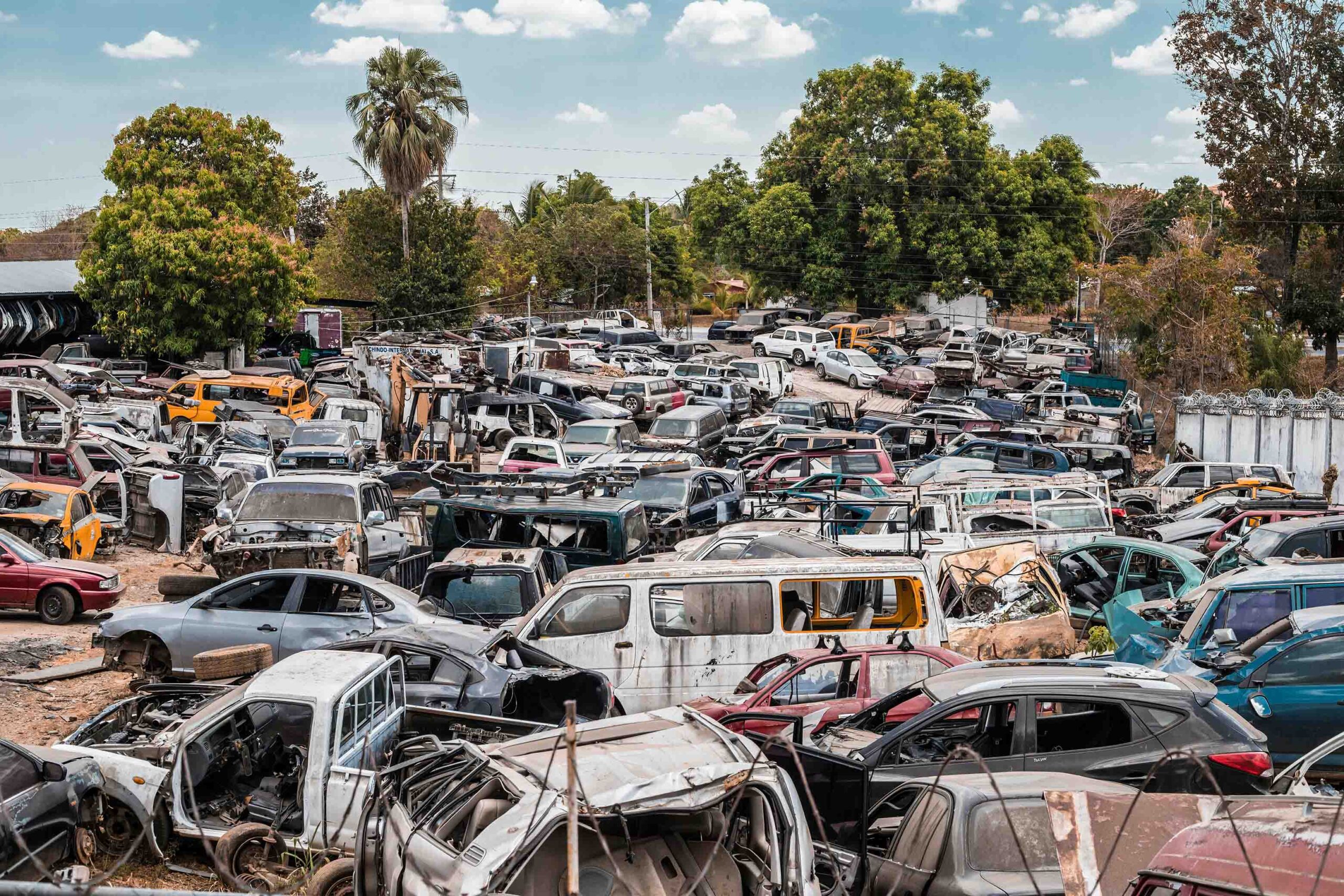
Metal waste represents one of the most valuable and widely generated industrial waste streams in Europe. Originating from diverse sectors such as manufacturing, automotive, construction, and electronics, metal waste includes both ferrous metals (e.g., steel, iron) and non-ferrous metals (e.g., aluminium, copper, brass, zinc). The mechanical engineering sector, in particular, is a major contributor due to machining, fabrication, and assembly processes that generate significant volumes of metal scrap and by-products.
Europe has made considerable progress in the collection and recycling of metal waste, driven by strong market demand for secondary raw materials, EU-level circular economy policies, and extended producer responsibility regulations. According to Eurostat, metal recovery rates are among the highest of all material categories, with recycling rates for steel and aluminium exceeding 75% in several member states. Nevertheless, challenges persist, including contamination of metal waste, inefficient separation at source, and underutilization of high-quality scrap in local production cycles.
Effective management of metal waste is essential not only for reducing environmental impacts such as energy consumption and CO₂ emissions but also for securing critical raw materials within Europe. By implementing circular economy strategies—namely reduction, reuse, and recycling—companies can significantly improve resource efficiency. These strategies include reducing metal offcuts through precision engineering, reusing metal components or scrap internally, and investing in closed-loop recycling systems that reintegrate metal waste into production lines.
Re-use & Remanufacturing
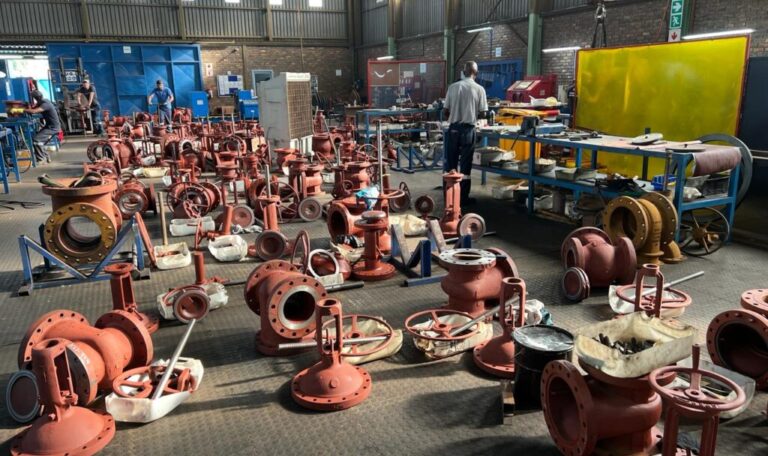
This category includes solutions that extend the life cycle of metal products through reuse, refurbishment, and remanufacturing. It covers modular design for easy disassembly, internal reuse of off-cuts, take-back programs, and product-as-a-service models. The focus is on reducing material waste by maintaining the value of components for as long as possible.
Closed-Loop Recycling Material Recovery
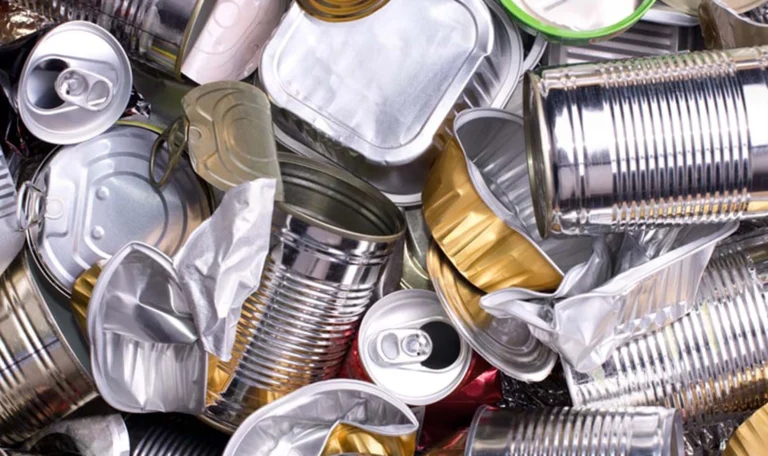
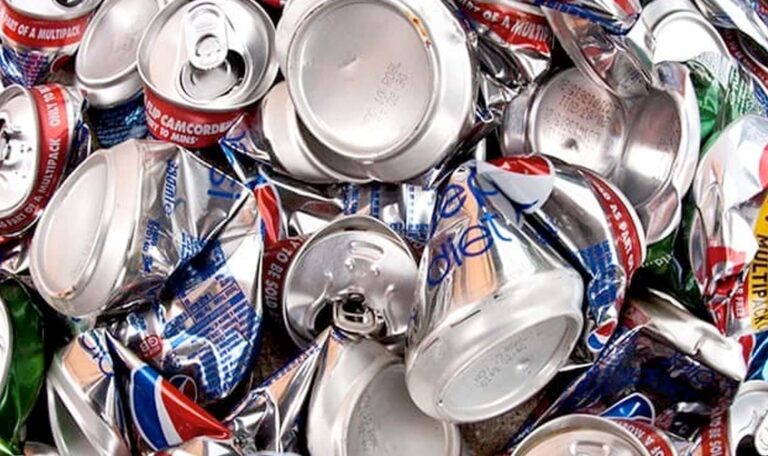
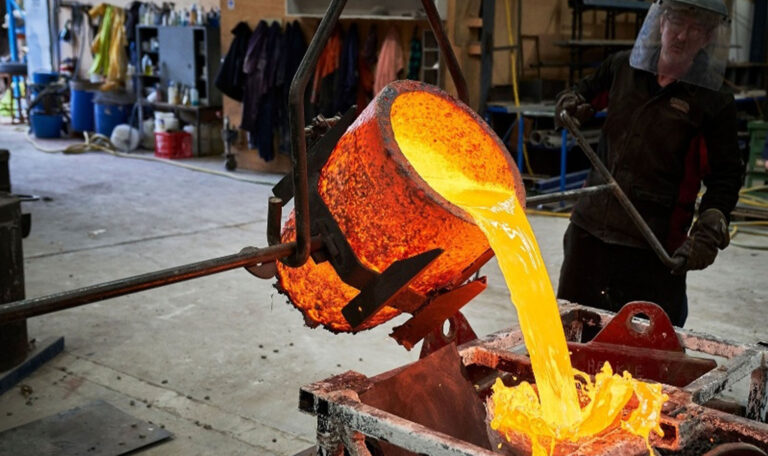
Solutions in this category involve recycling metals in a closed loop, maintaining material quality and minimizing losses. It includes melting and recasting processes, mechanical separation for high-purity recovery, and systems that return materials into the same production cycle—such as can-to-can or brass-to-brass recycling.
Process Optimization Digitalization
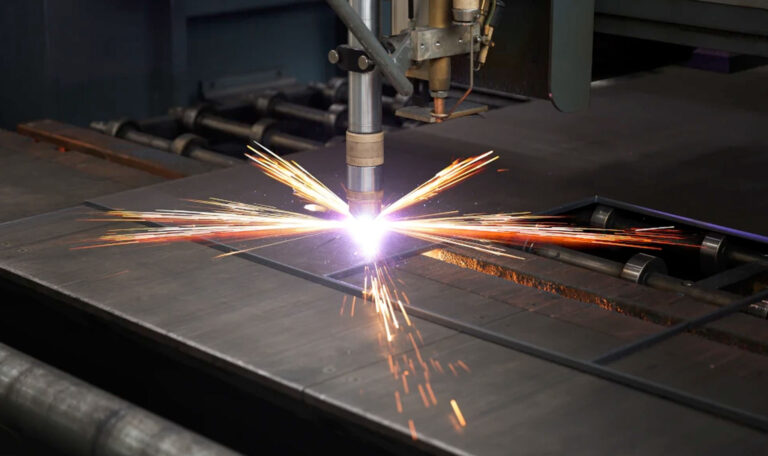
These solutions improve the efficiency of metal processing through digital technologies, smart planning, and engineering precision. They focus on reducing material waste, energy consumption, and downtime by using AI, digital control systems, and optimized production workflows.
Collection & Aggregation Infrastructure
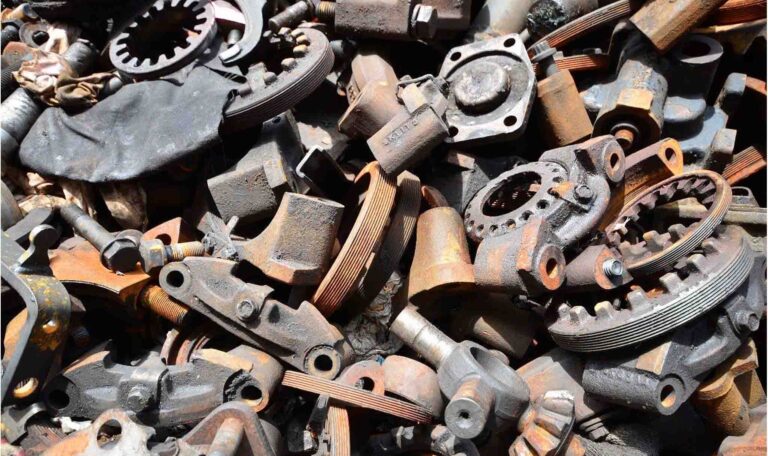
This category focuses on infrastructure and logistics for collecting, sorting, and aggregating scrap metal, especially for SMEs. It includes advanced processing hubs, local collection systems, and reverse logistics setups that support circular flows of materials at regional and industrial levels.
Material Innovation & Substitution
Solutions in this category reduce environmental impact by substituting traditional materials with more sustainable, durable, or recycled alternatives. This includes the use of scrap-based inputs in high-performance alloys and the development of components with enhanced durability through material innovation.
Plastic Waste
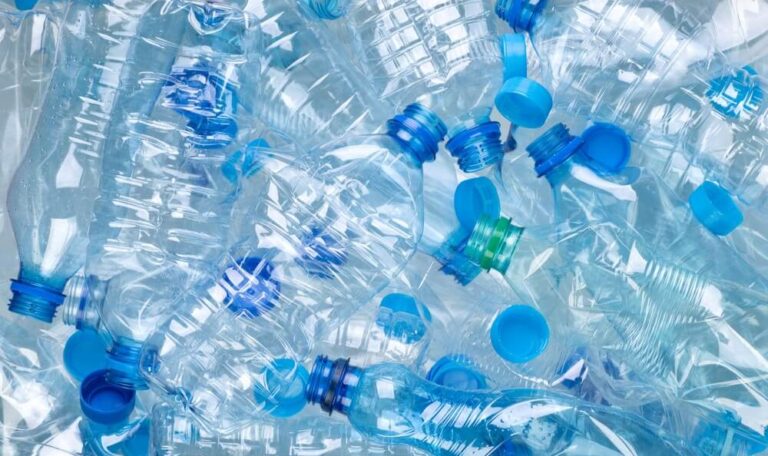
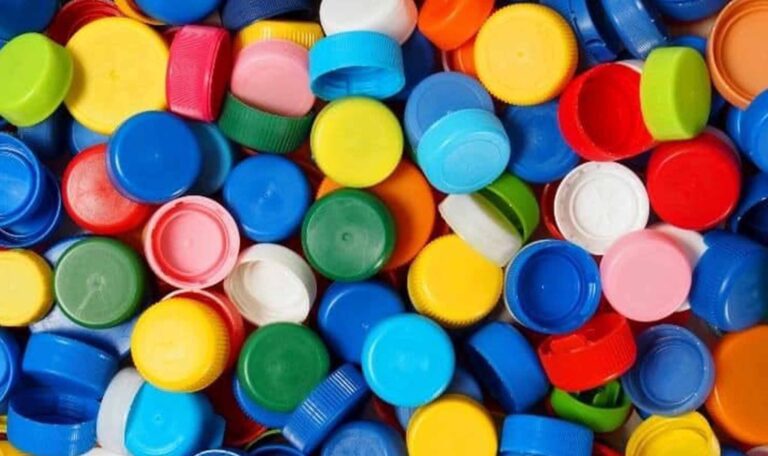
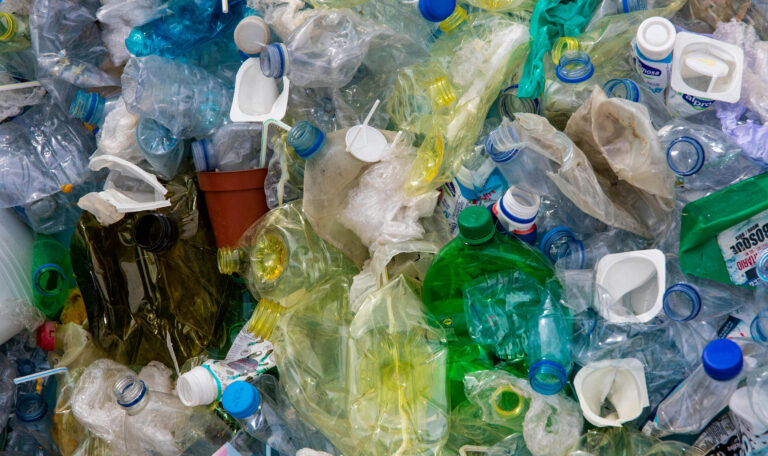
Plastic waste has become a critical concern across Europe, both environmentally and economically. Each year, the EU generates over 30 million tonnes of plastic waste, with packaging accounting for the largest share. While recycling infrastructure has expanded and policies like the EU Plastics Strategy and the Single-Use Plastics Directive have pushed for better management, significant volumes of plastic are still incinerated or landfilled—mainly due to mixed waste streams, contamination, and limited recyclability of complex or composite plastics.
Unlike metals, most plastics cannot be recycled indefinitely, and many types are difficult to process using conventional methods. This makes waste prevention, material substitution, reuse models, and improved sorting critical components of a more circular approach. In response, European SMEs and industrial actors are increasingly adopting innovative strategies to reduce plastic waste at the source, extend the life of plastic products, and enhance recycling systems through design and technology.
The following cases illustrate how plastic waste can be tackled through practical circular economy solutions focused on reduction, reuse, recover, rethink and recycling within manufacturing and industrial processes.
Mechanical Recycling & Closed-Loop Processing
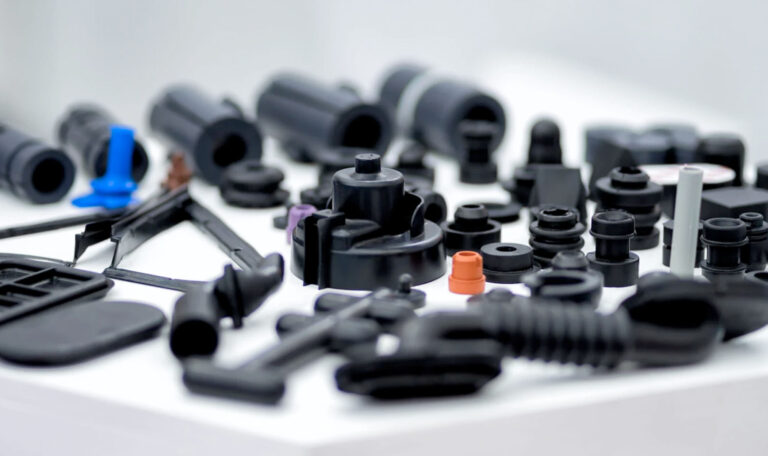
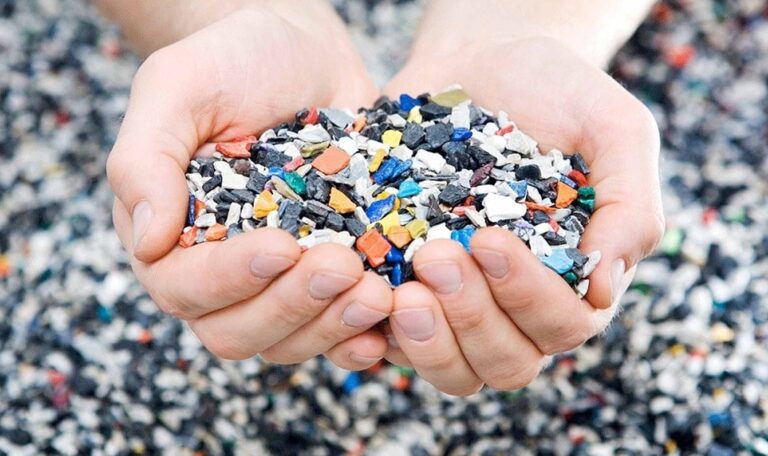
This category includes solutions that focus on reprocessing plastic production waste directly within companies. Mechanical recycling, regranulation, and internal reuse loops help reduce raw material consumption and lower environmental impact. These solutions are particularly relevant for manufacturers aiming to close material cycles and increase operational efficiency.
Design for Recyclability & Material Substitution
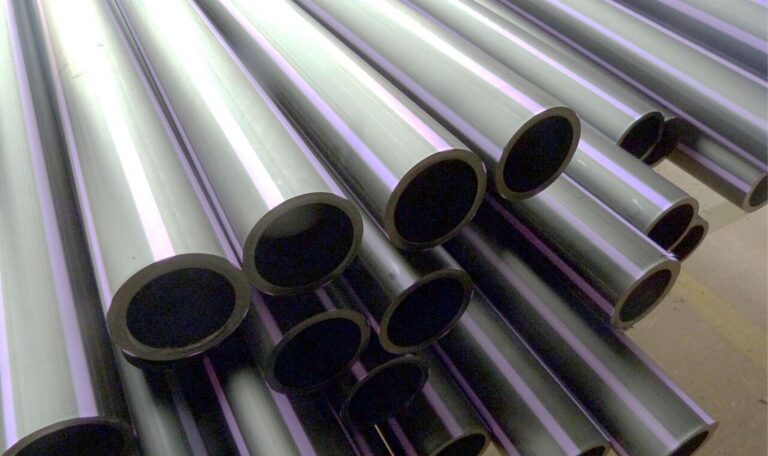
This category features solutions aimed at redesigning products and materials to be more recyclable or substituting conventional plastics with sustainable alternatives. Approaches include using mono-materials, eliminating harmful additives, and incorporating bio-based or composite materials to facilitate circularity from the design phase onward.
Digital Tools & Smart Systems
Solutions in this category utilize digital technologies and automation to enhance circularity. This includes simulation-based design, digital twins for production optimization, material flow tracking, and smart dispensing systems. These innovations support transparency, traceability, and smarter decision-making in waste management.
Reuse Systems & Community Recycling
This category includes solutions that extend circular practices beyond production sites. From returnable packaging and take-back schemes to portable recycling units and outsourced waste processing, these approaches enable community engagement and wider system-level sustainability.
Chemical Waste
In Europe, over 74 million tonnes of hazardous waste are generated annually, a significant portion of which includes chemical waste from industrial activities. Within the mechanical sector, chemical waste arises from processes such as surface treatment, degreasing, metalworking fluids, lubricants, solvents, and cleaning agents. These substances are often toxic, flammable, or corrosive, posing serious risks if not properly managed.
Although strict regulations like the EU Waste Framework Directive and REACH aim to control hazardous waste, managing chemical waste sustainably remains a key challenge. For mechanical companies—especially small and medium-sized enterprises (SMEs)—compliance, safe handling, and disposal can be resource-intensive and technically demanding.
As Europe advances toward a circular economy, mechanical firms are increasingly seeking solutions to reduce, reuse, or recycle chemical waste within their operations. The following section highlights practical strategies and examples that illustrate how this transition can be achieved in real-world settings.